
Causes of Dystocia and How to Handle This Condition in ( Goats )
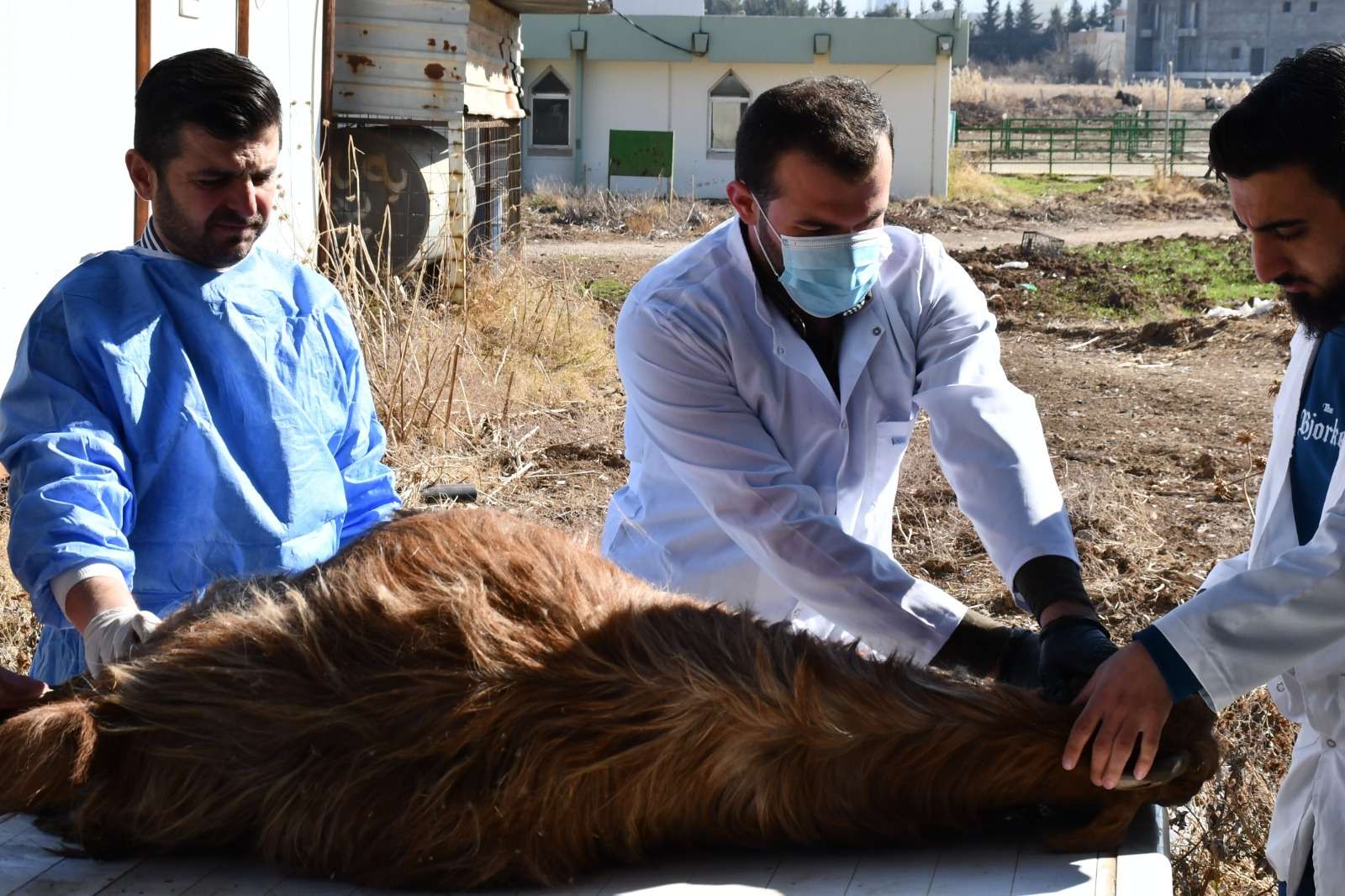
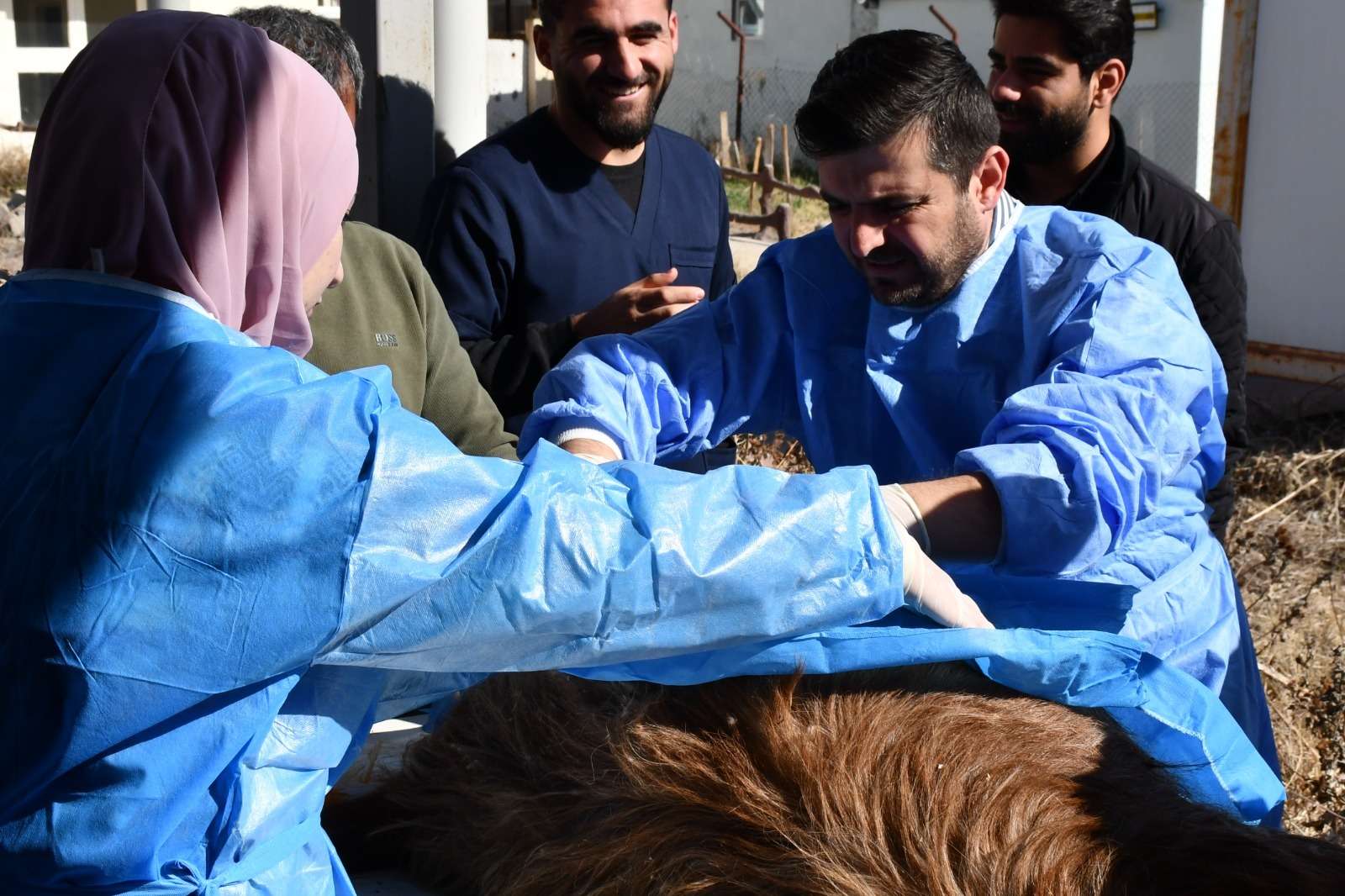
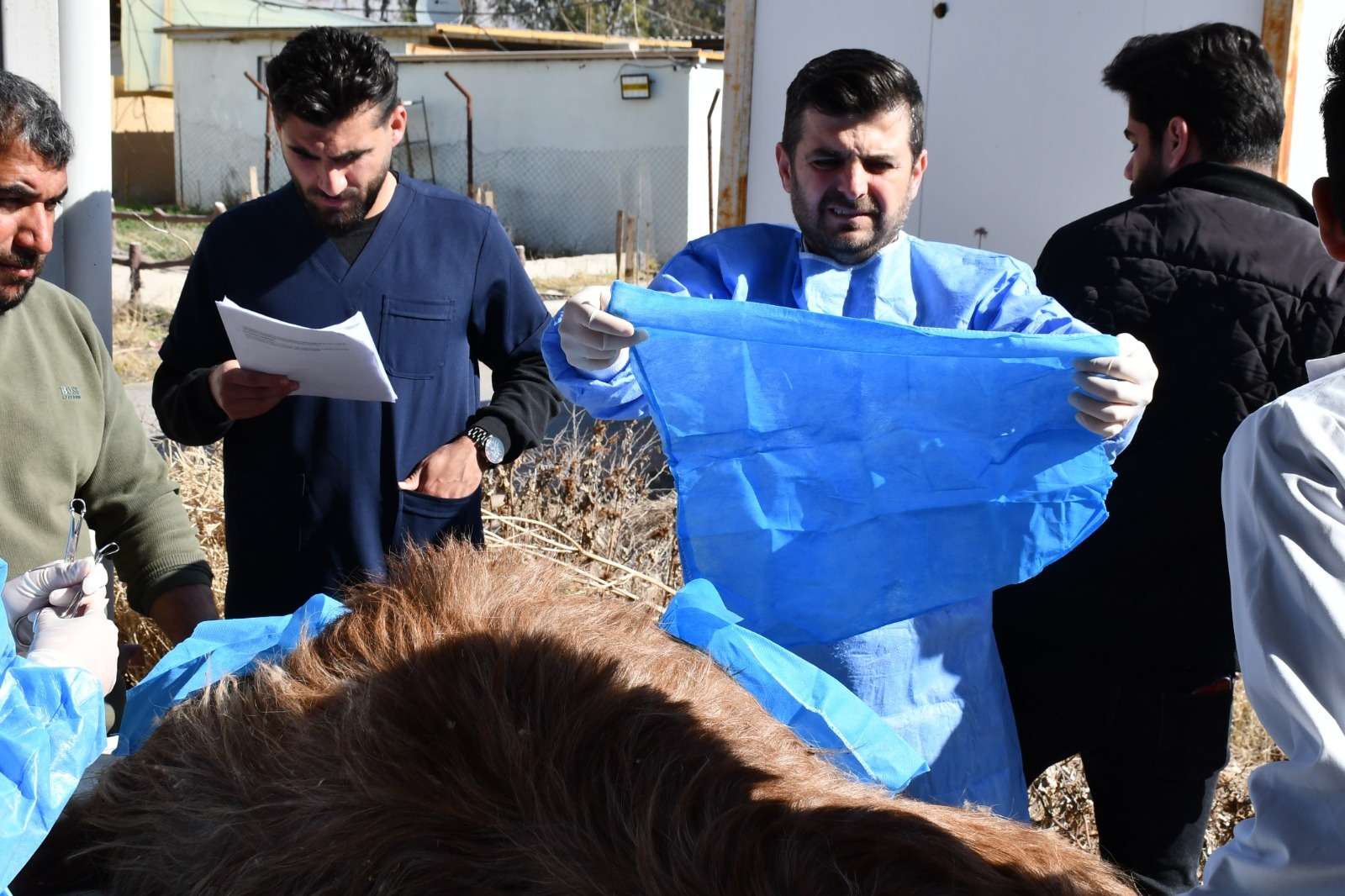
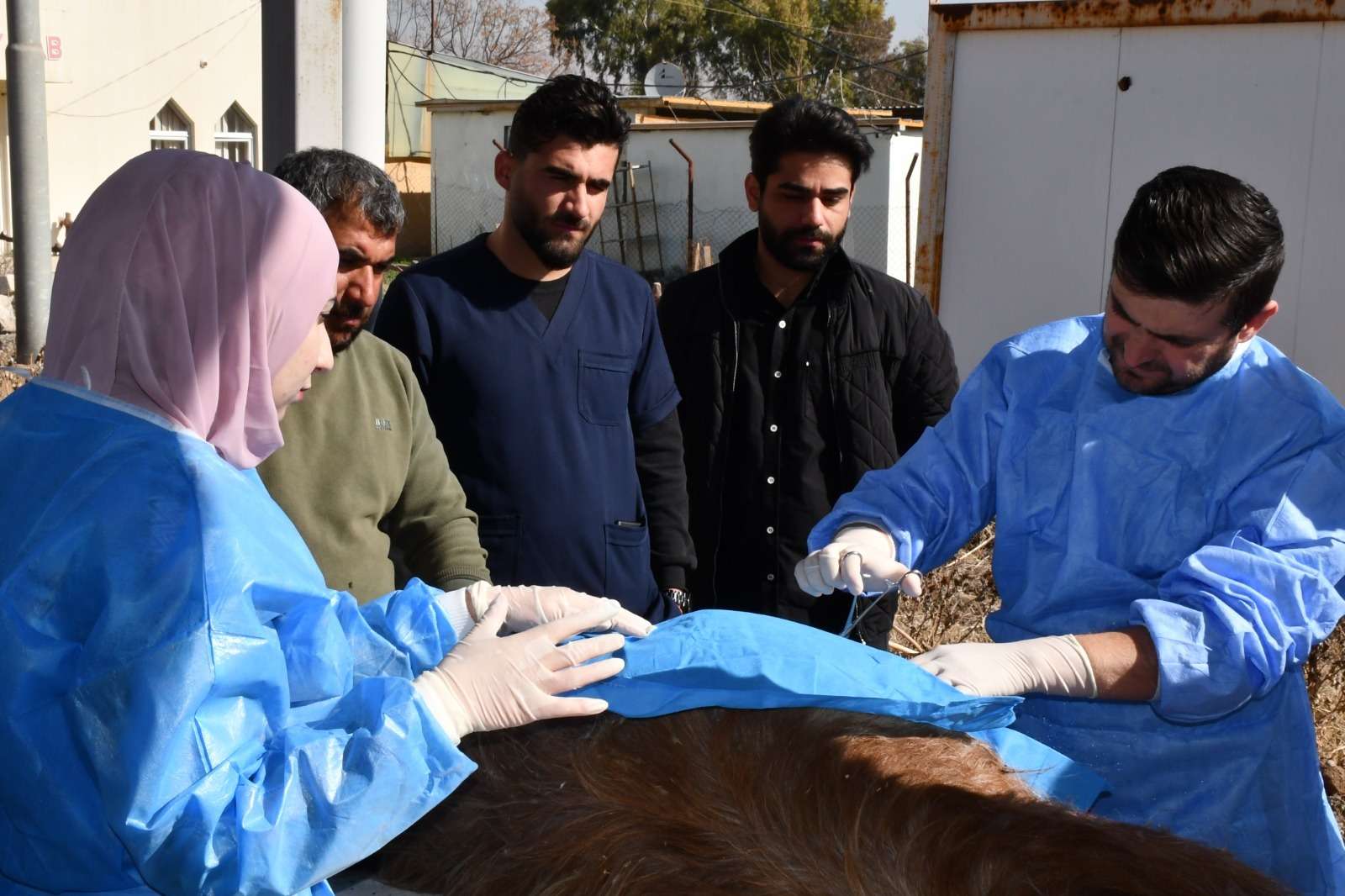
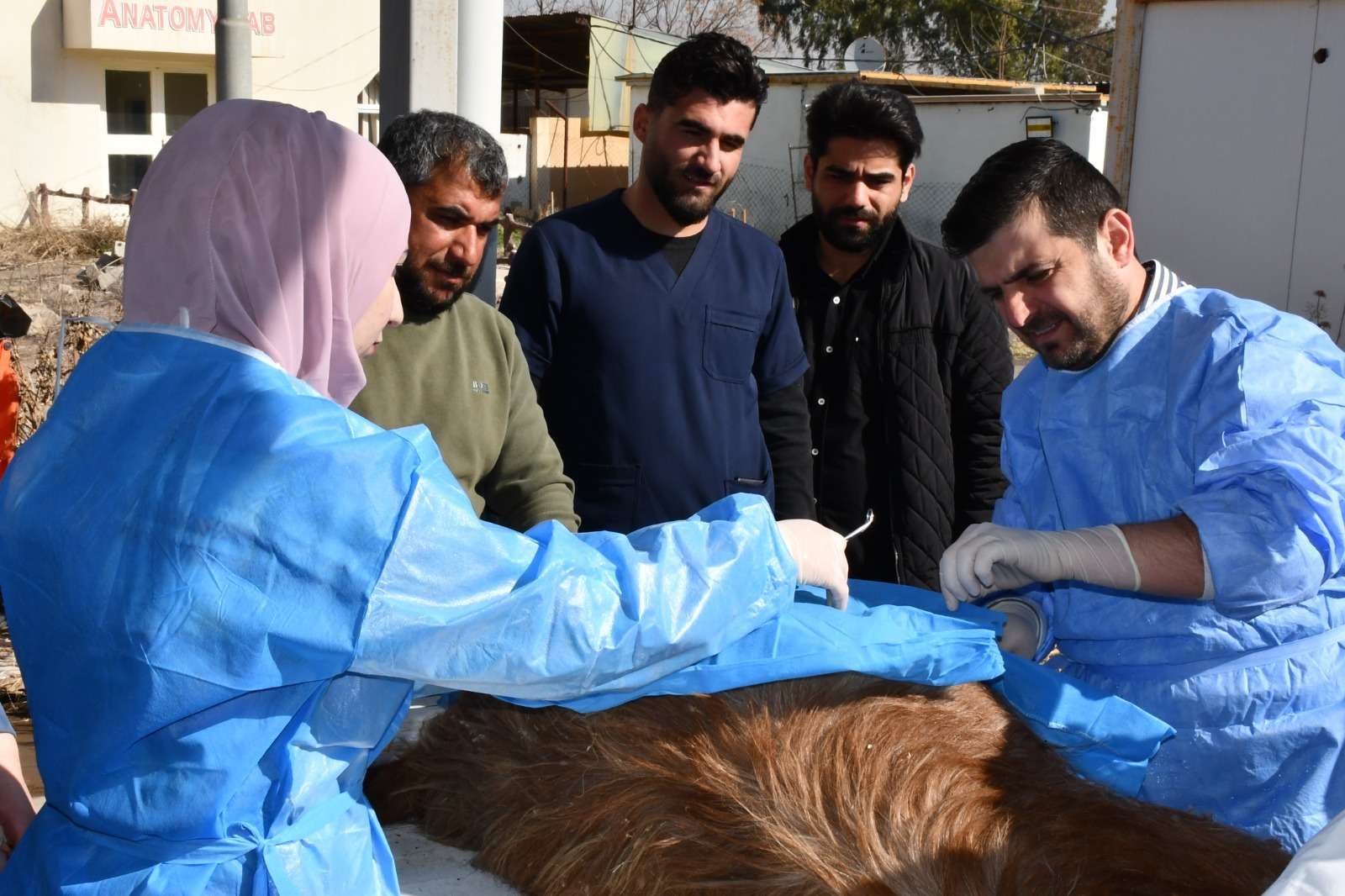
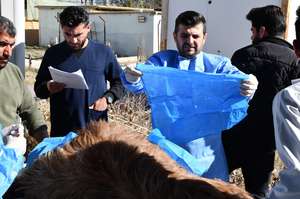
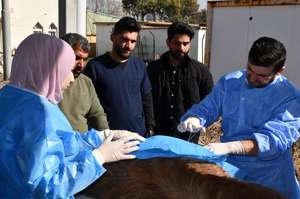
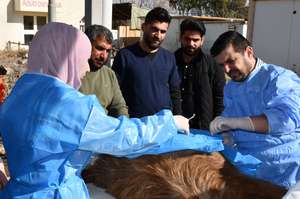
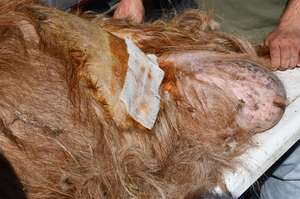
The veterinary clinics affiliated with the College of Veterinary Medicine regularly receive complex cases involving animals, where they are diagnosed and treated using the latest medical techniques.
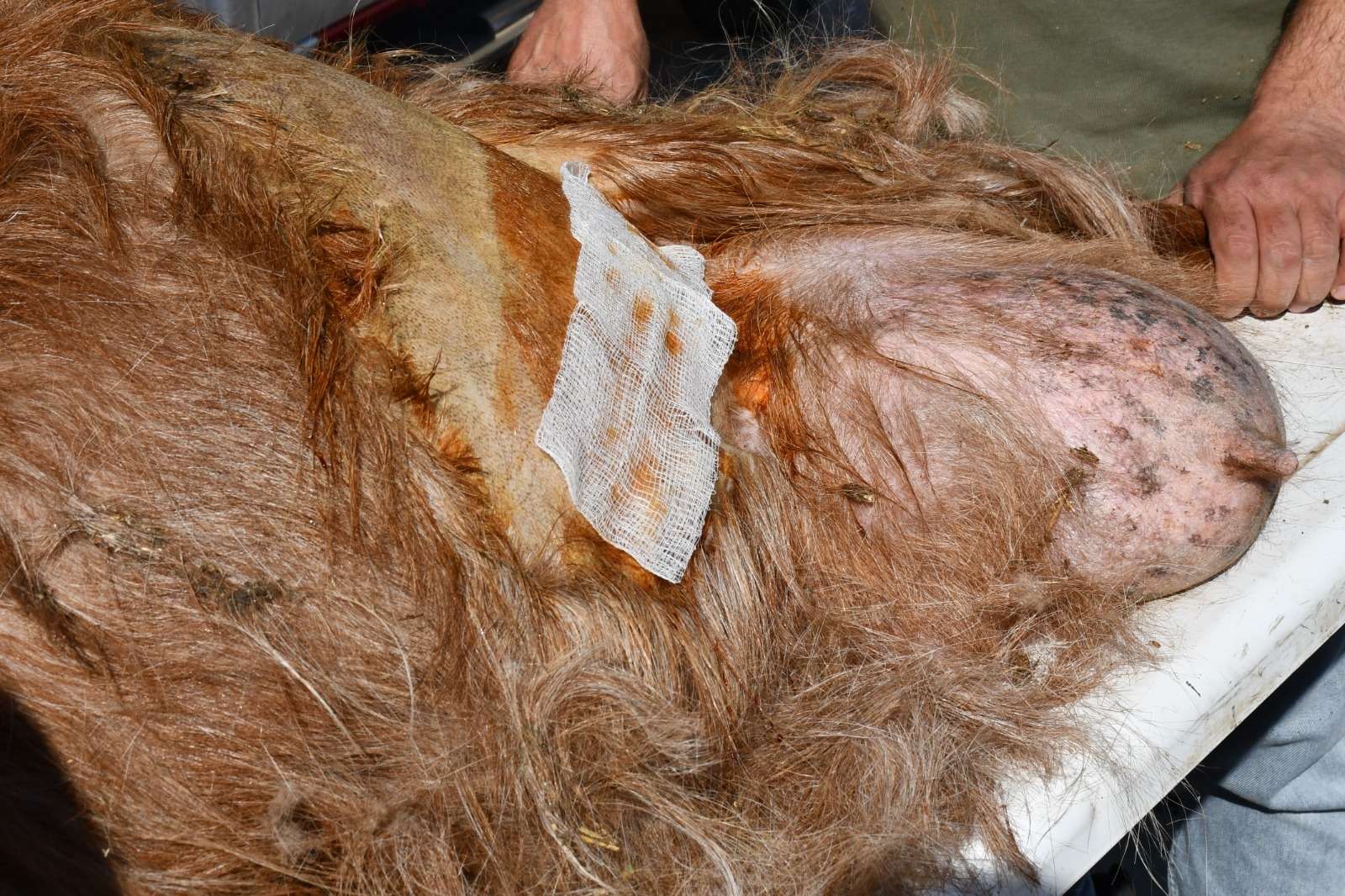
Today's case involves a pregnant goat carrying twins, a common occurrence in goats that can sometimes lead to complications during delivery. After a clinical examination and diagnosis, dystocia was confirmed by surgeon Dr. Mohammed Salim Mohammed. As a result, a successful cesarean section was performed to extract the fetuses, which were delivered in good health. The mother also received intensive post-operative care, ensuring her stable condition and safe discharge along with her newborns.
Indications for Cesarean Section in Goats
The conditions that necessitate a cesarean section in goats include:
1. Dystocia, due to fetal-pelvic disproportion or abnormal fetal positioning.
2. Uterine torsion, which prevents natural delivery.
3. Failure of the uterus to respond to natural contractions, even after the onset of labor.
4. Uterine rupture or obstruction, resulting from complications during labor.
5. Fetal death in utero, requiring surgical intervention for extraction.
6. Severe maternal health conditions, making natural birth hazardous.
A cesarean section is a crucial medical intervention in such cases to ensure the safety of both the mother and the offspring. Postoperative veterinary care is essential to facilitate full recovery.
preparation : PAYMAN FAXRI TAHER