
Methods and Benefits of Sterilization in order to control the increase in pets Populations

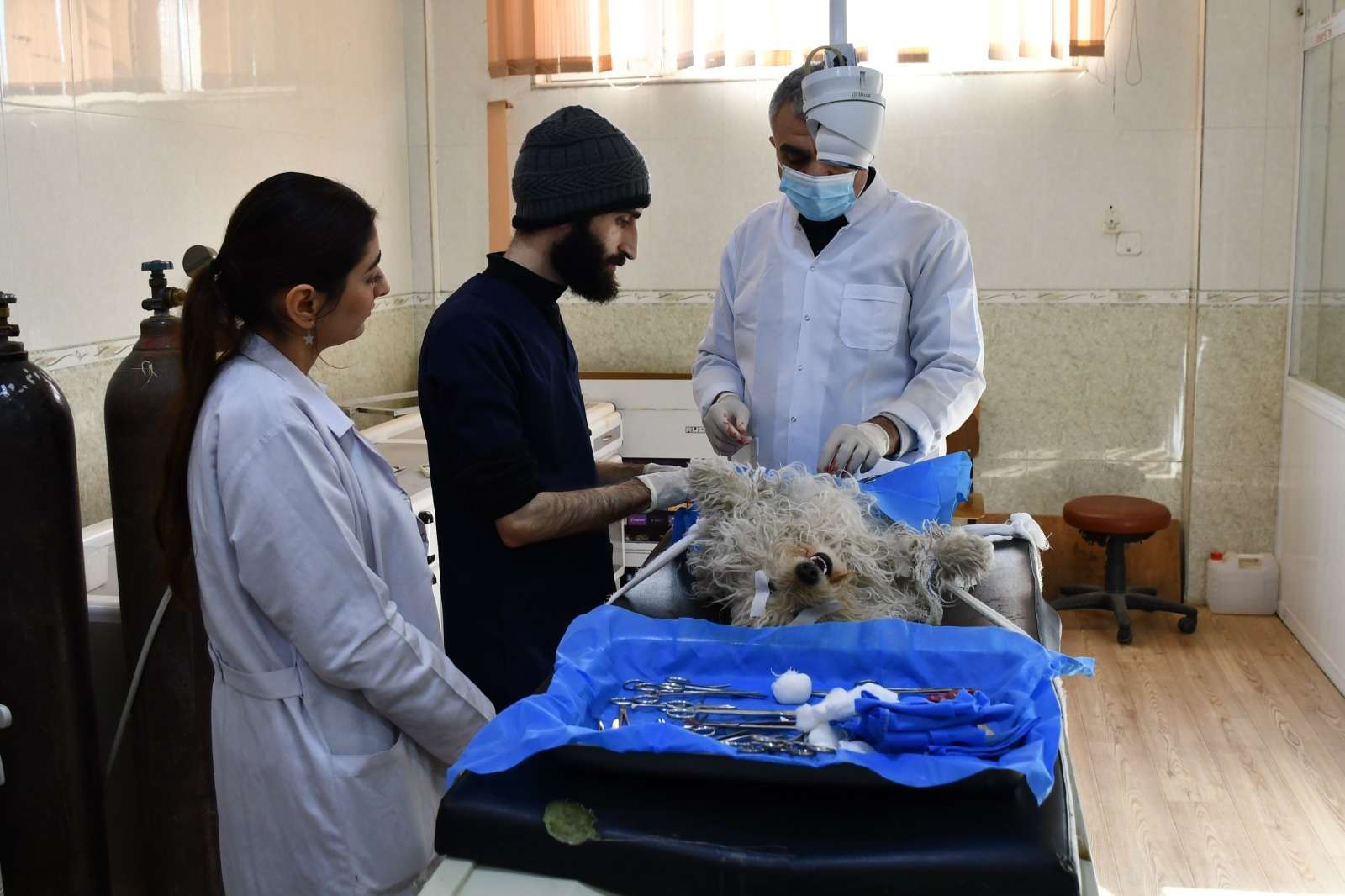
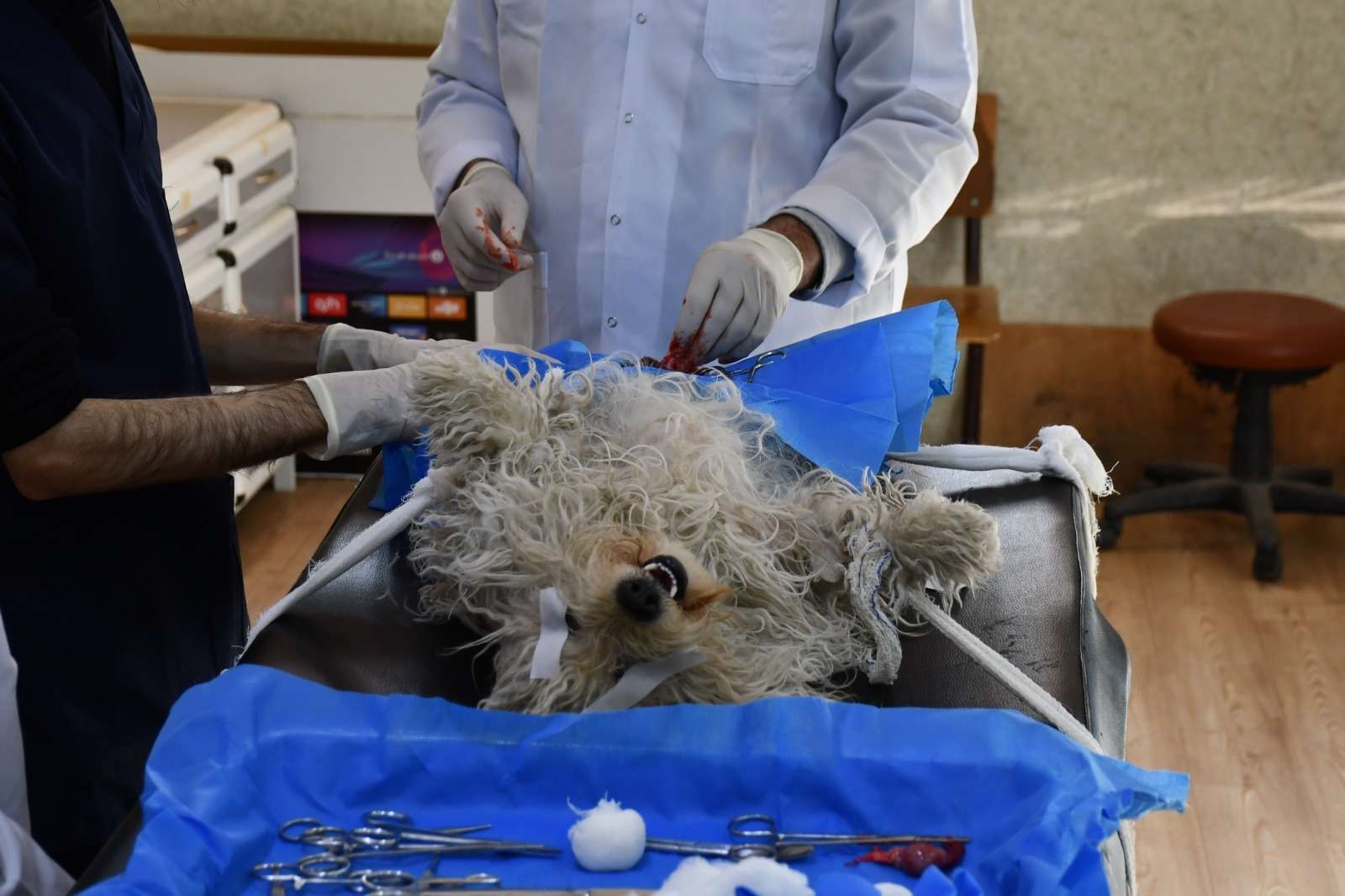
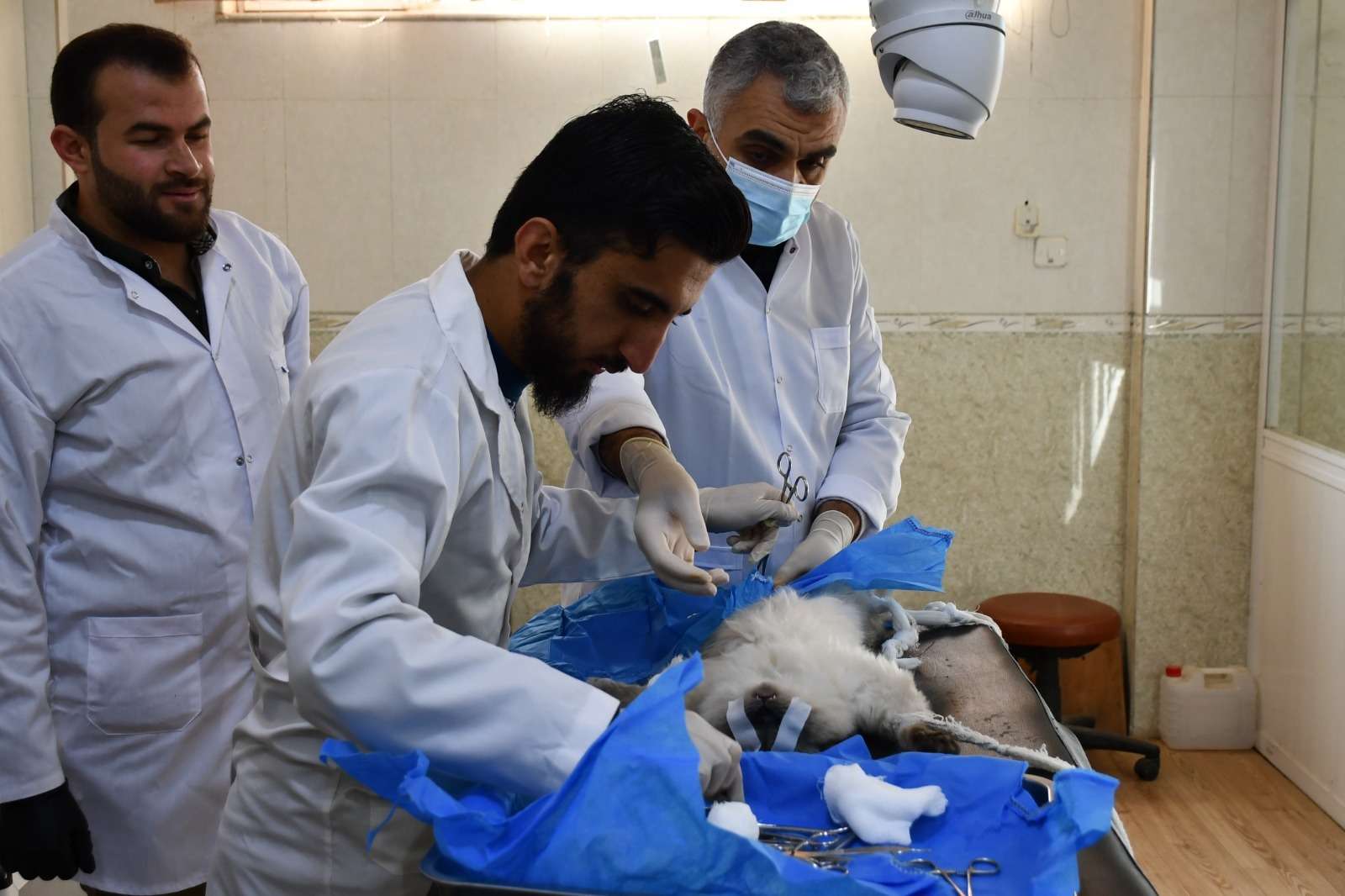




Sterilization is a responsible choice that reflects the owner's concern for their pet’s health and the safety of the surrounding community. There are many reasons for performing these procedures, which have been frequently mentioned on our page, the most important of which is preventing unwanted reproduction, especially in pets. Sterilization procedures (castration or ovariectomy) are among the fundamental measures for controlling pet reproduction in humane and effective ways. These procedures not only help reduce the number of unwanted births but also decrease aggressive behaviors and potential health issues, such as certain types of tumors and reproductive system-related diseases.
Veterinary college clinics frequently handle such cases, and sterilization surgeries are performed on both male and female pets. The most recent of these procedures was carried out by the surgeon Dr. Nazem Jawad Hassan.
Recently, some areas have witnessed a significant increase in the number of stray dogs and cats, surpassing the permissible limits for maintaining environmental balance and ensuring the well-being of these animals. This uncontrolled growth leads to environmental and health challenges, such as the spread of diseases, food shortages, and an increase in the number of unwanted stray animals. Several global methods exist to control their reproduction, and concerned institutions strive to find suitable approaches that align with acceptable population levels. The most important methods include:
• Surgical Sterilization (Castration and Spaying)
o Influencing factors: Surgery costs, veterinary fees, and expenses related to anesthesia and post-operative care.
o Advantages: A permanent and effective solution.
o Disadvantages: High cost when applied on a large scale.
• Trap-Neuter-Return (TNR) Program
o Approximate cost: Includes examination and sterilization.
o Influencing factors: Equipment costs, capture teams, and veterinary care.
o Advantages: Sustainable and reduces reproduction over time.
o Disadvantages: Requires continuous funding and collective efforts.
• Pharmaceutical Contraceptives
o Approximate cost: $10–$50 per dose (requires repeated doses).
o Influencing factors: Type of medication, number of required doses, and distribution in targeted areas.
o Advantages: Non-surgical and easy to administer.
o Disadvantages: Temporary and may not be 100% effective.
• Regulating Food Sources
o Cost: Low to moderate (depends on awareness campaigns and law enforcement).
o Advantages: Reduces attraction of stray animals.
o Disadvantages: Does not directly impact reproduction rates.
• Awareness Campaigns and Encouraging Adoption
o Cost: Variable (depends on advertising campaigns, publications, and collaboration with associations).
o Advantages: Sustainable and increases public awareness of responsible pet ownership.
o Disadvantages: Takes a long time to change societal behavior.
• Legislation and Regulations
o Cost: Moderate to high (includes law enforcement, monitoring, and imposing fines).
o Advantages: Prevents neglect and promotes mandatory sterilization.
o Disadvantages: Requires political will and legal efforts.
General Comparison:
• Most effective long-term: Surgical sterilization and TNR programs.
• Lowest initial cost: Pharmaceutical contraceptives and food source regulation.
• Most sustainable: Awareness campaigns and legislation.
Combining multiple methods can yield more effective results while considering available budgets and statistical data on stray animal populations. This is a broad and complex subject. Veterinary organizations and animal welfare associations advocate for large-scale sterilization programs due to their benefits for public health and community safety. Therefore, raising awareness about the importance of these procedures and taking rational measures for their implementation are essential steps to ensuring a sustainable environment and improving the quality of life for pets.
Report by :
Payman Fakhri Taher