
Surgical cases
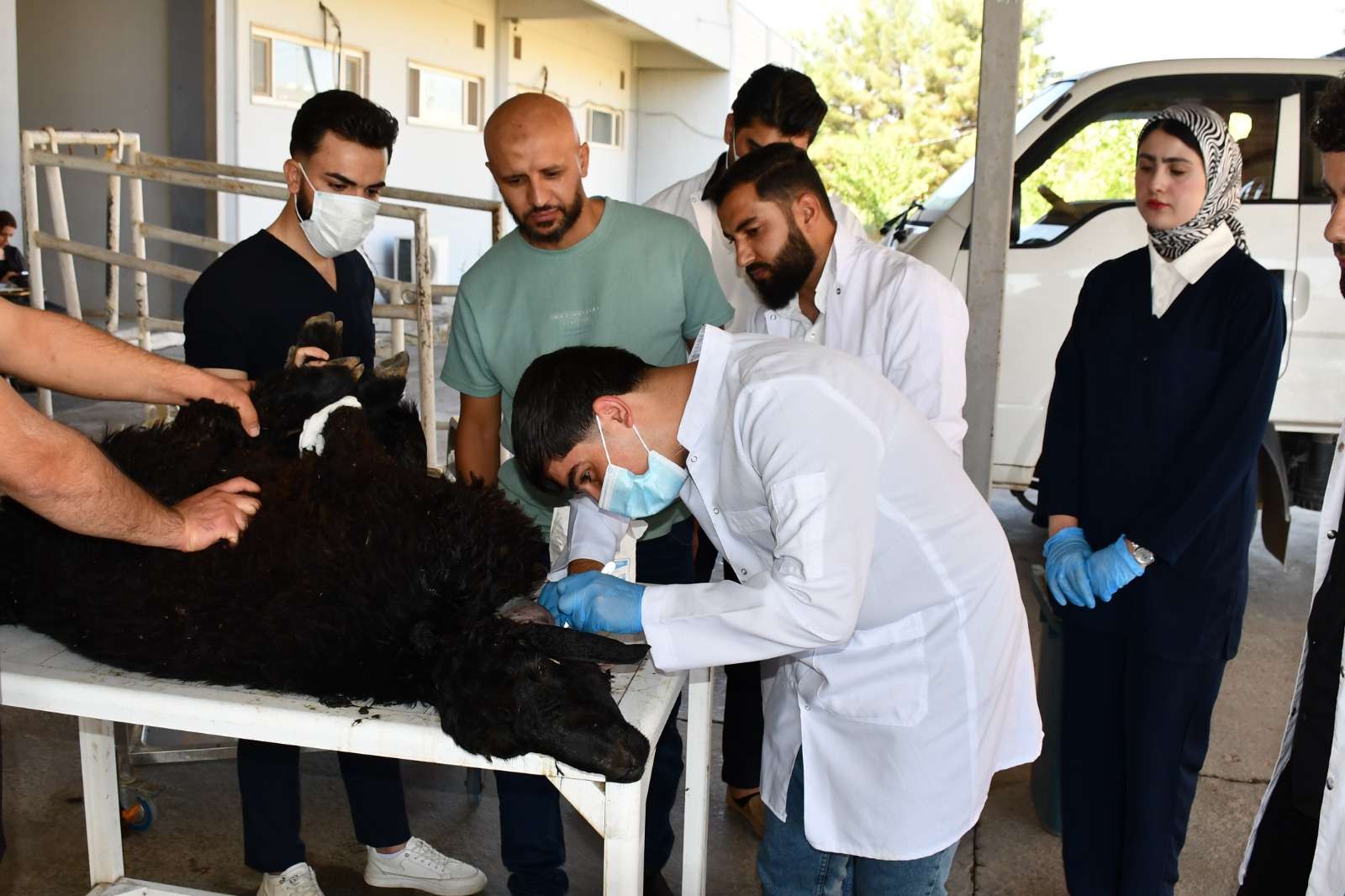
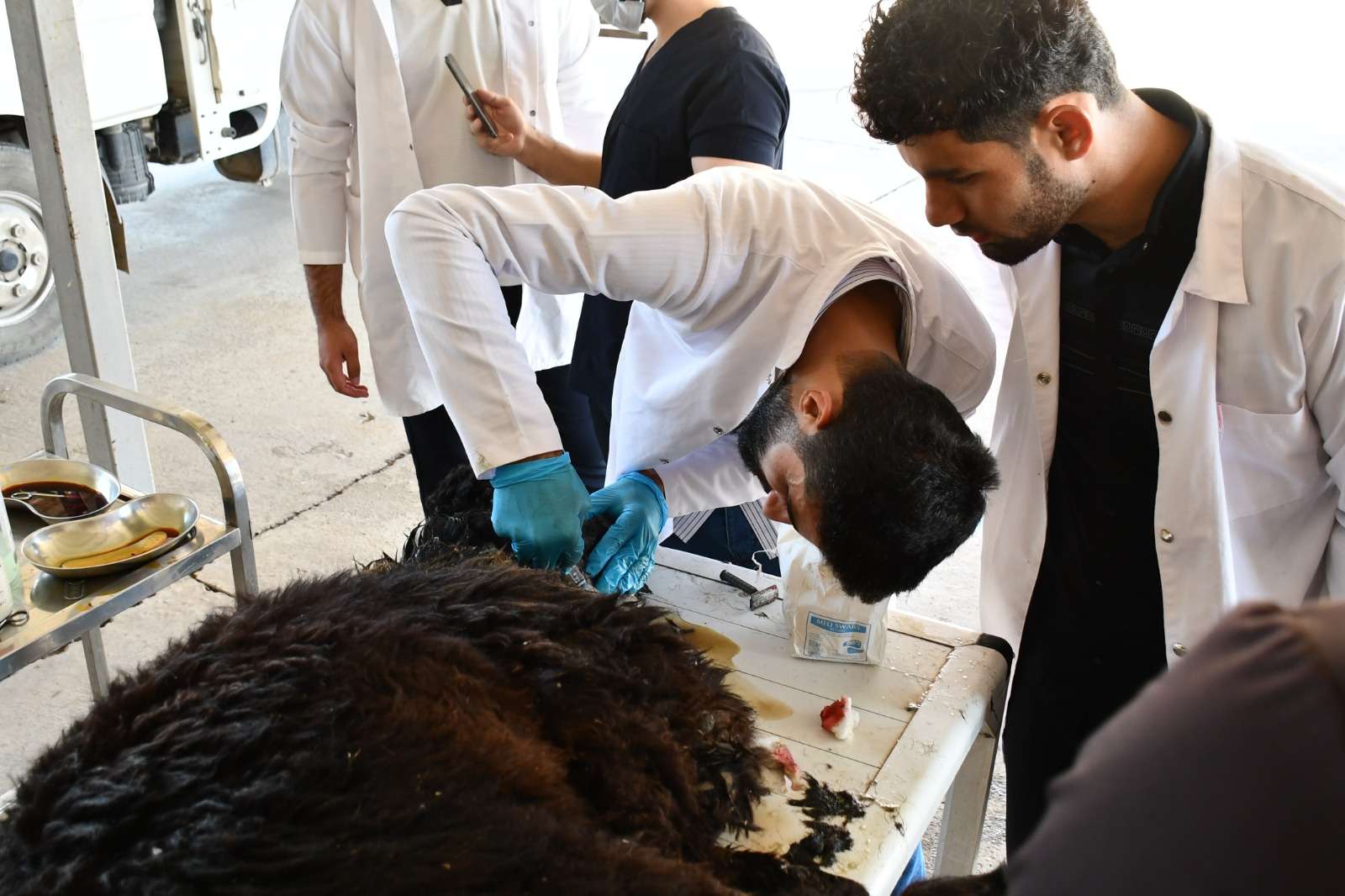
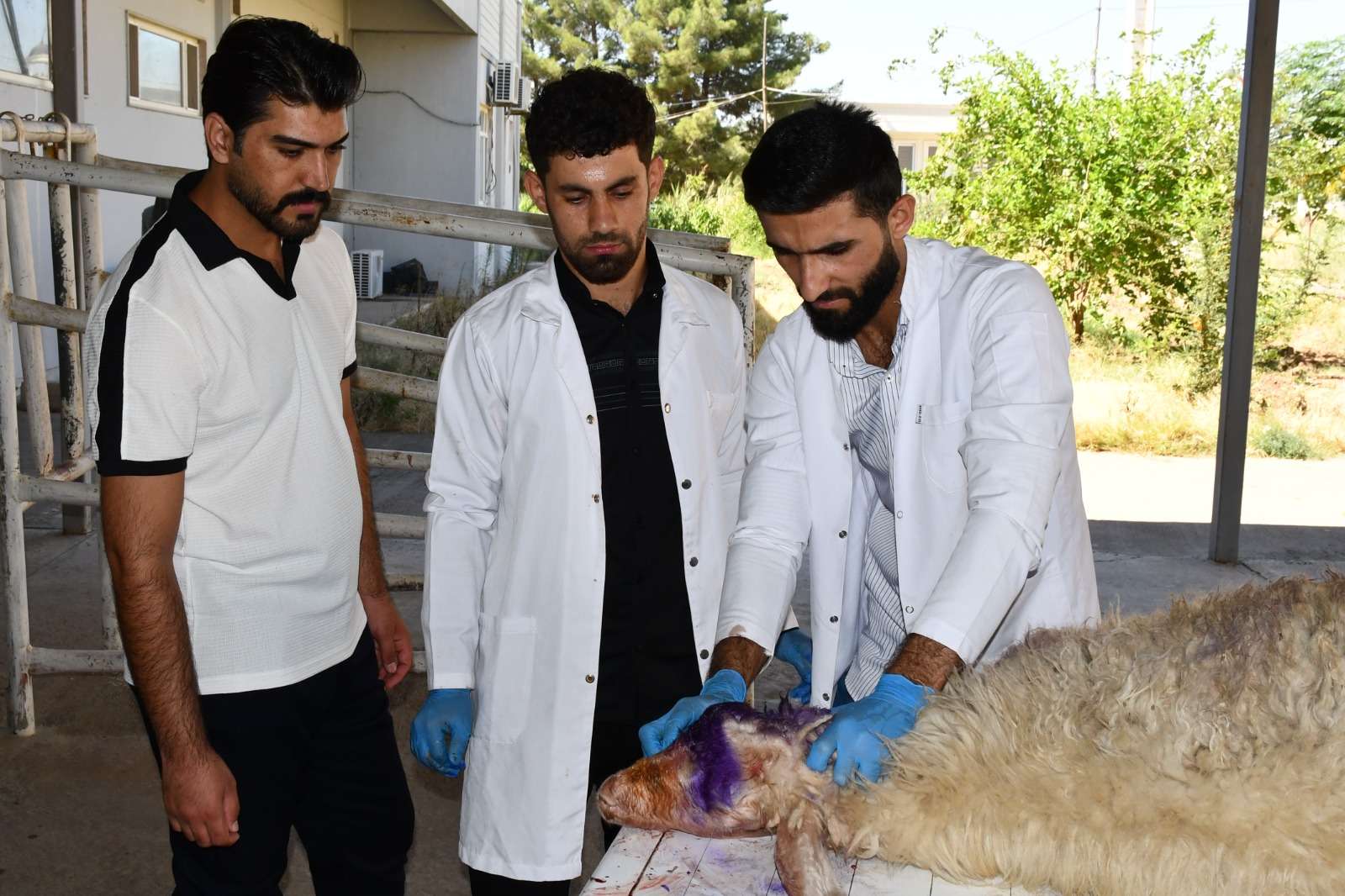
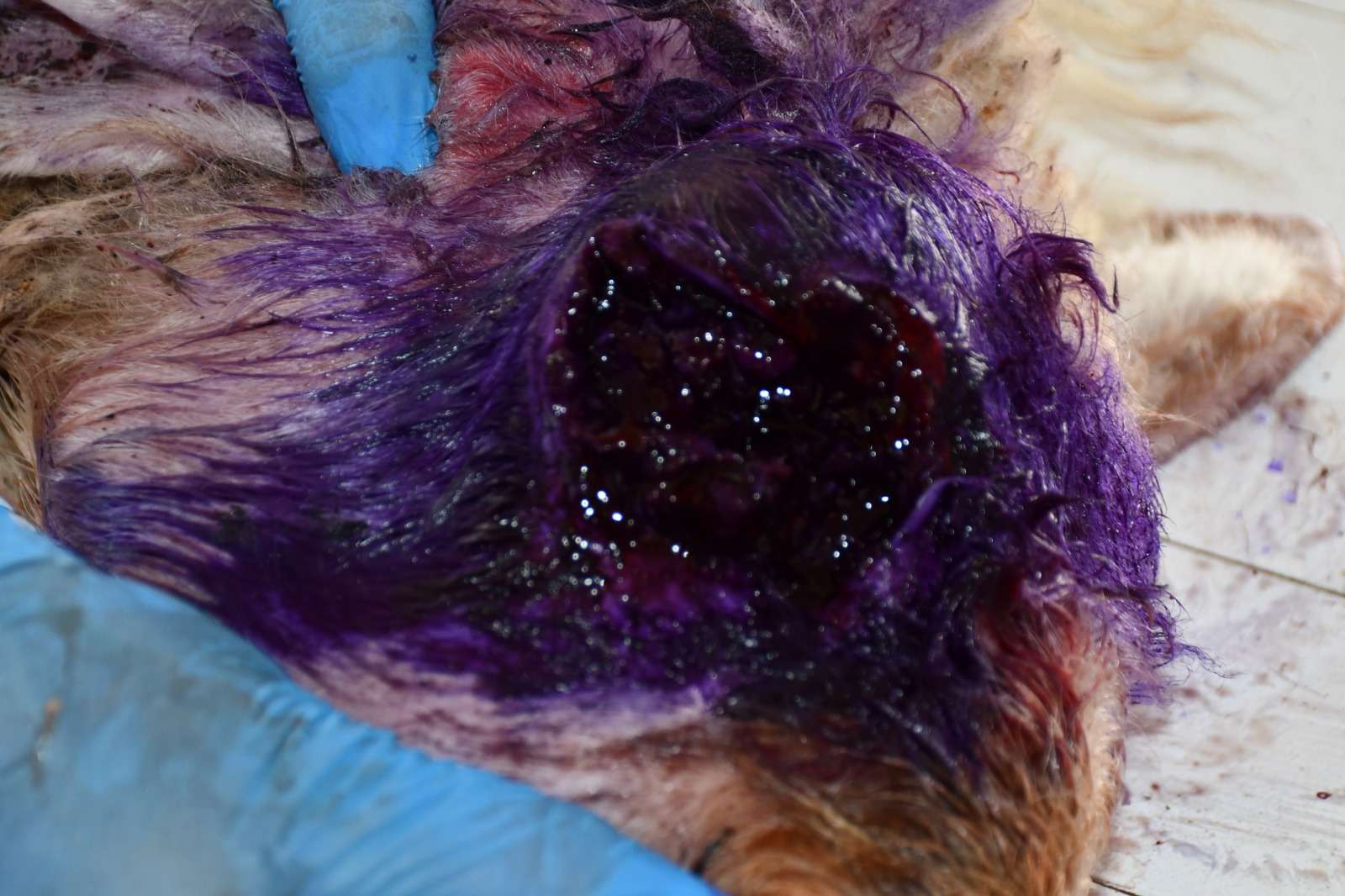
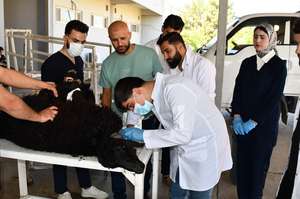
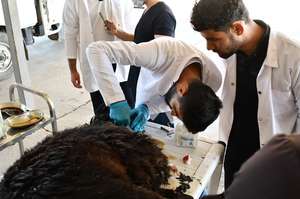
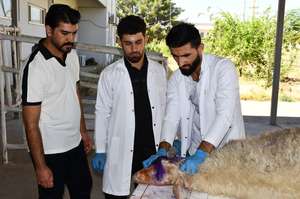
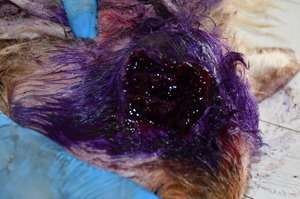
The veterinary clinics at our college continue to receive various cases, including emergencies that necessitate immediate intervention. Among these are trauma cases resulting from injuries sustained by animals during routine activities, as well as severe cases involving chronic, infected wounds. These chronic wounds are often characterized by the accumulation of purulent material and infestation with parasites, typically arising from neglect and prolonged exposure to insects, which can lead to significant discomfort and further complications for the animals.
Our Assist. lecturer of the ( Surgery and Internal Medicine ) department ( Newar Hakim Hassan ) working with the surgical team detailed the therapeutic interventions employed in such cases. The protocol begins with hemorrhage control, followed by the removal of surrounding hair, thorough debridement, and disinfection of the wound. Antiseptics are typically recommended to eliminate active microbial agents, including bacteria, viruses, parasites, and fungi, all of which contribute to delayed wound healing. After decontamination, the wound is dressed, and the healing process is closely monitored. Observable indicators of recovery include the gradual reduction of edema, erythema, and ecchymosis, as well as the regrowth of hair and the formation of granulation tissue, leading to wound contraction and eventual closure.
Payman Fakhri Taher