
Summer Training course
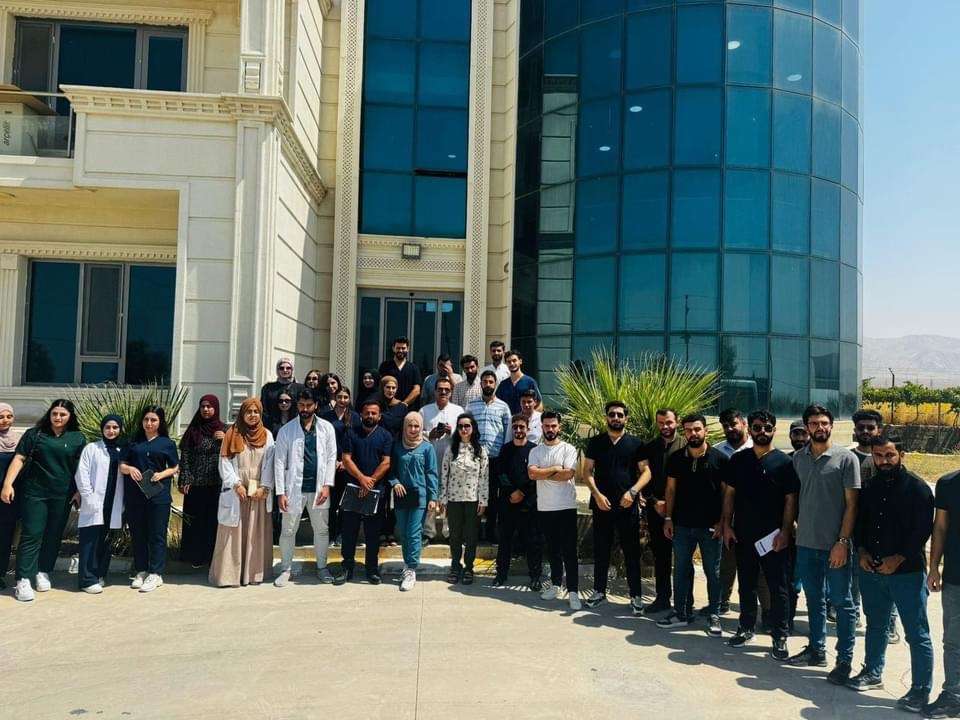
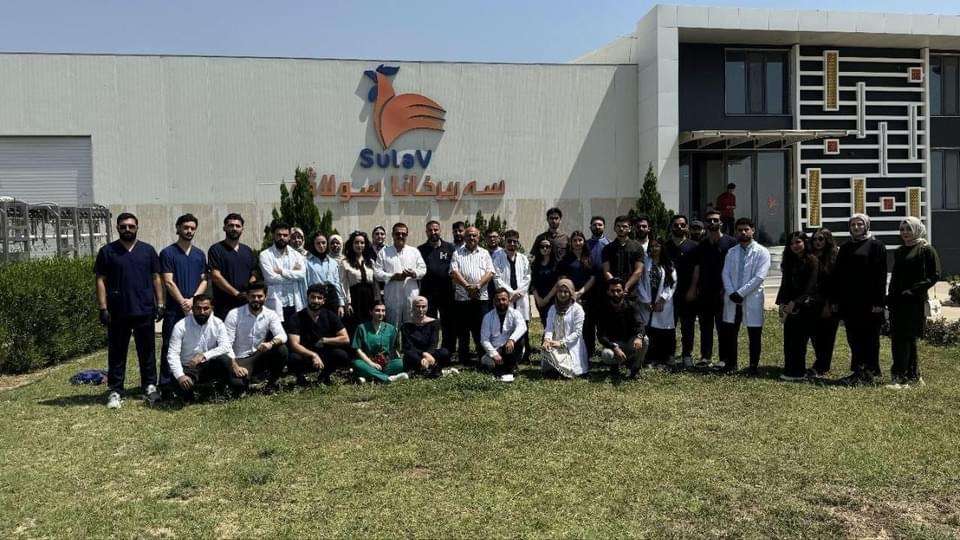
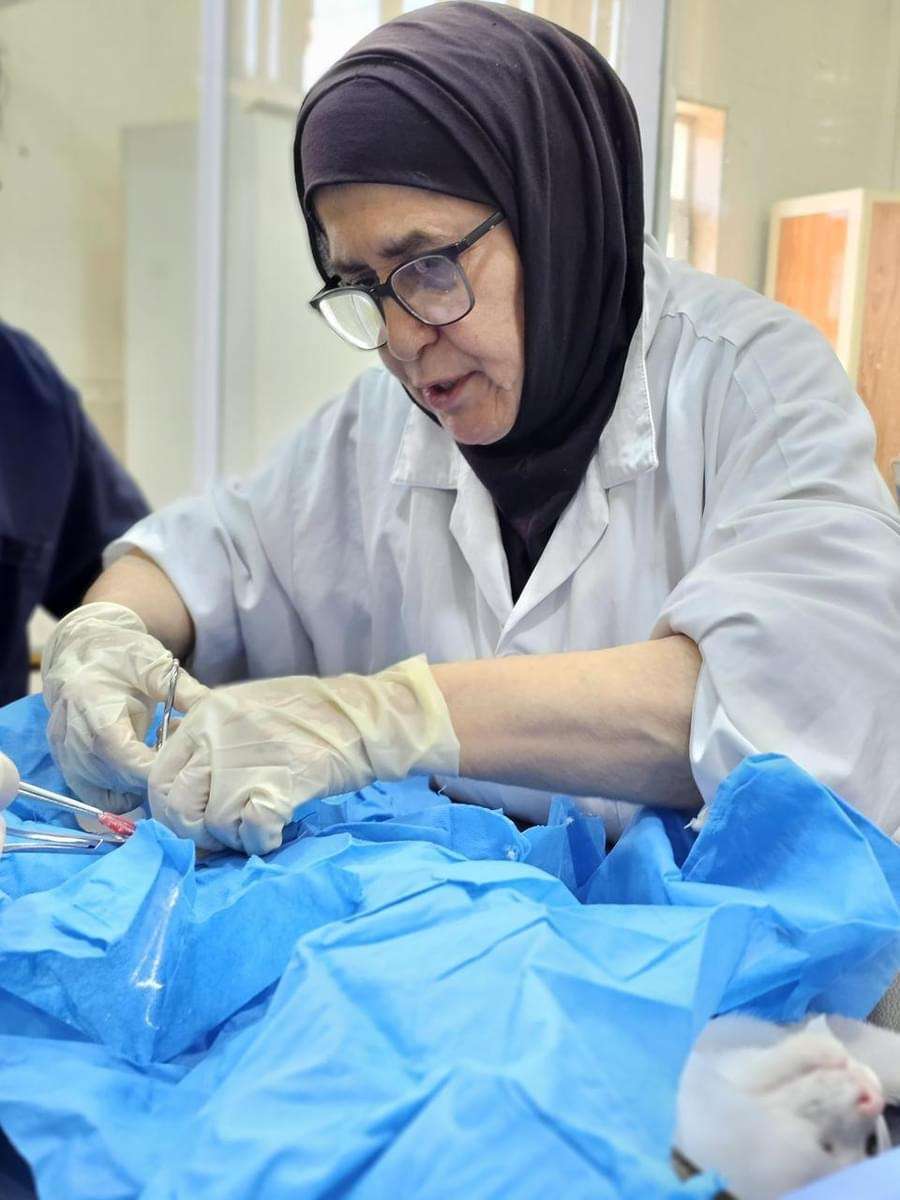
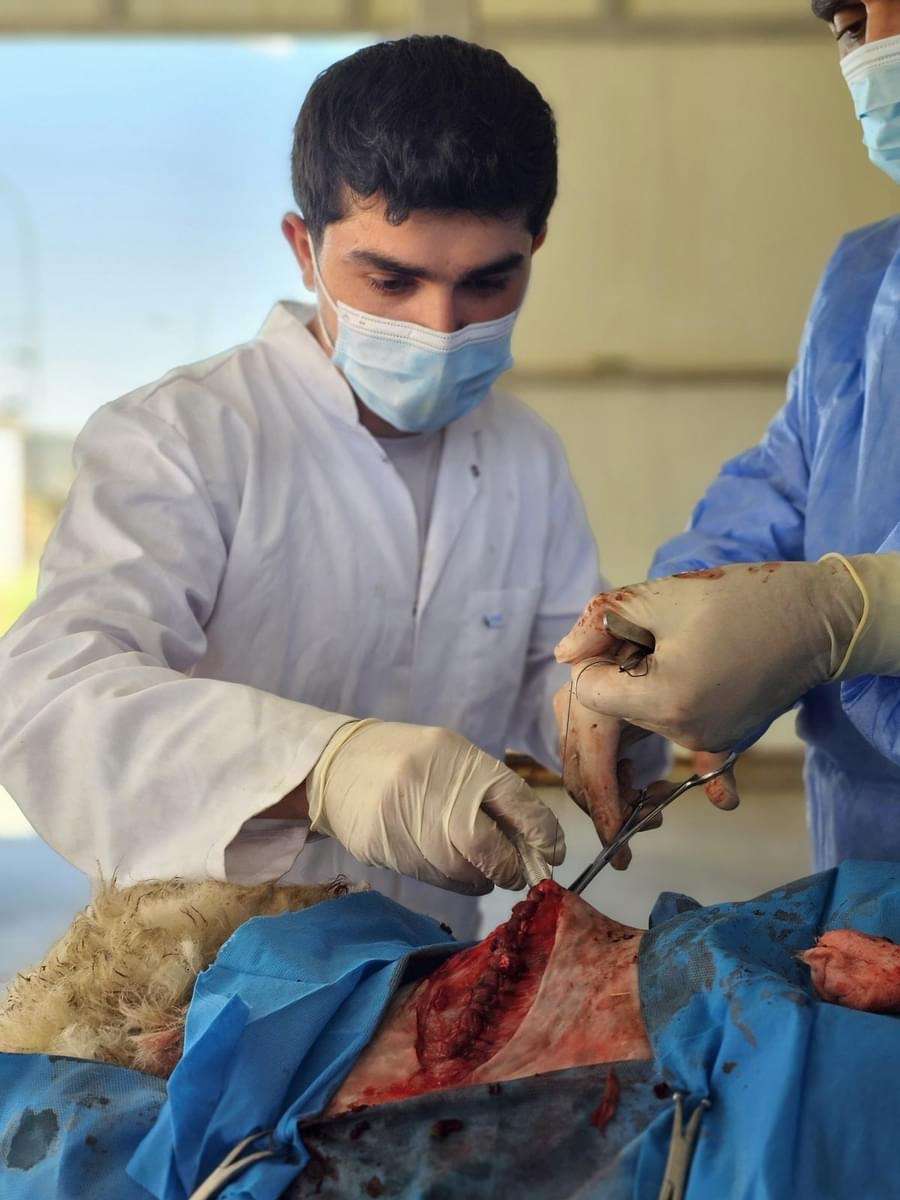
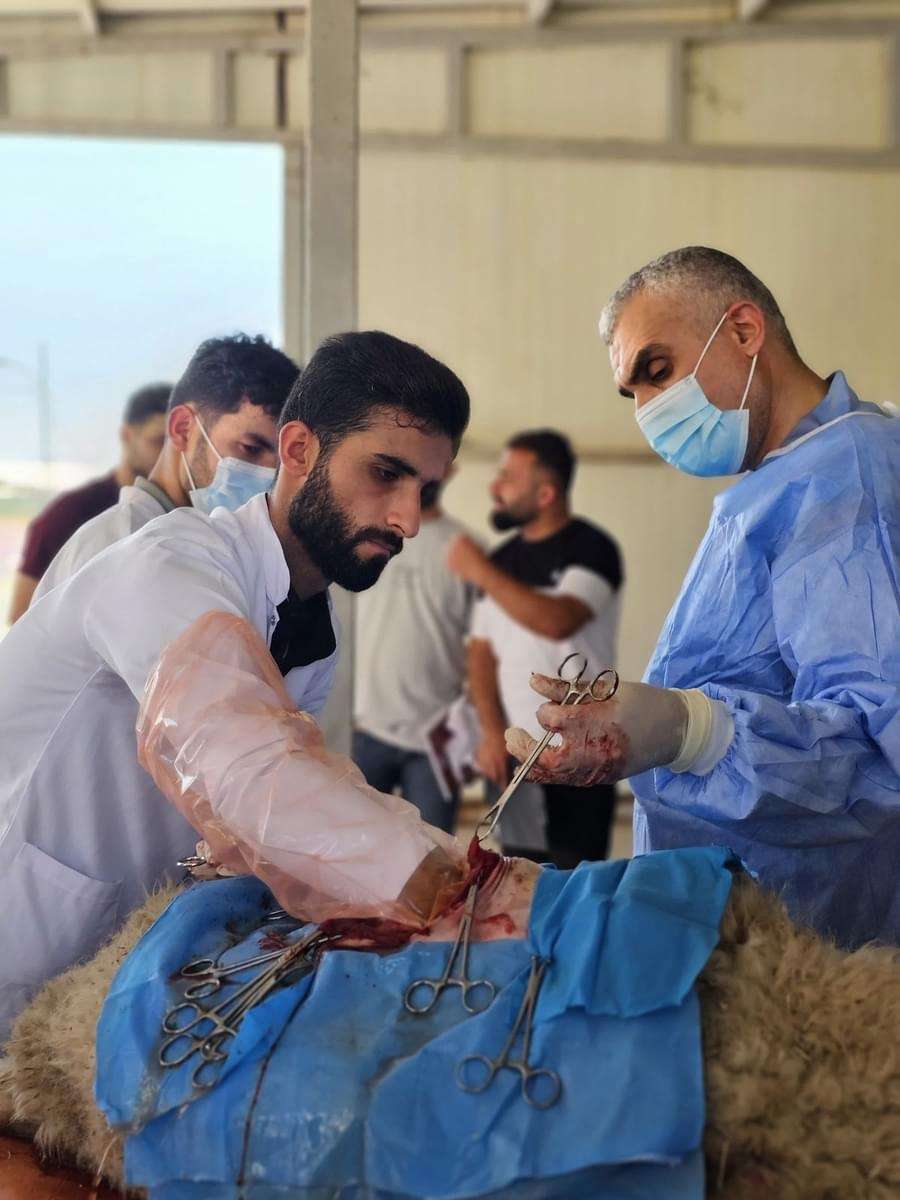
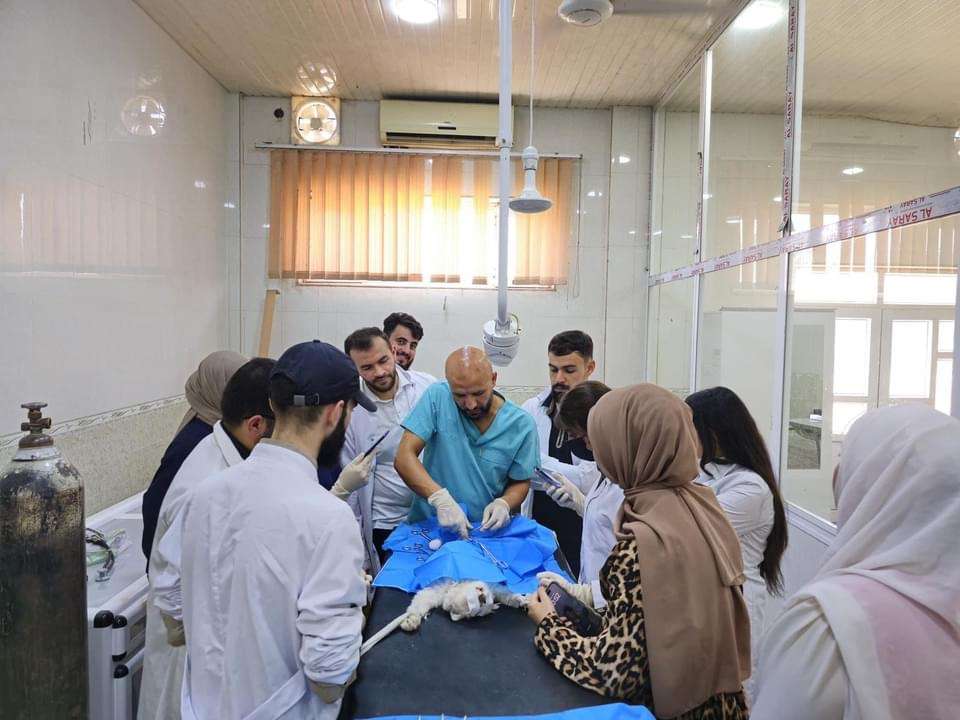
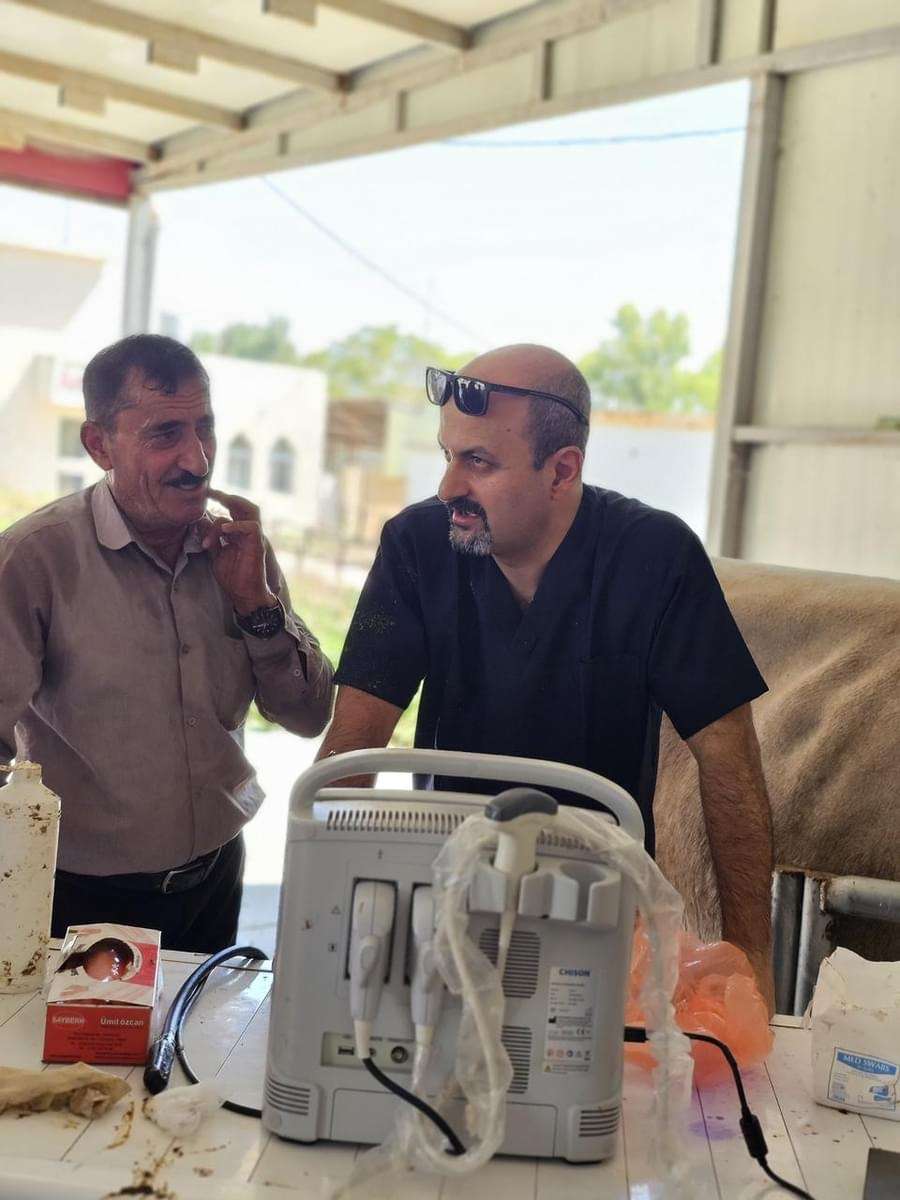
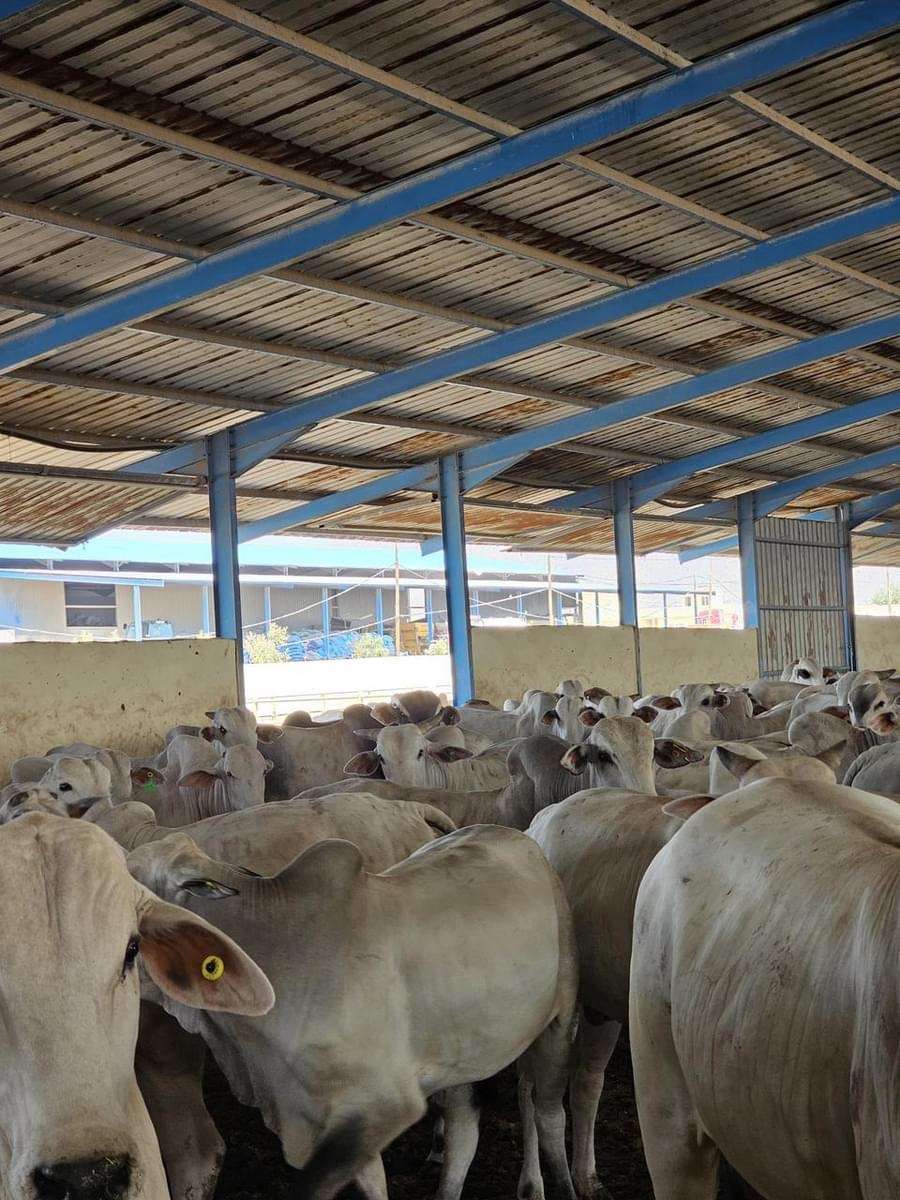
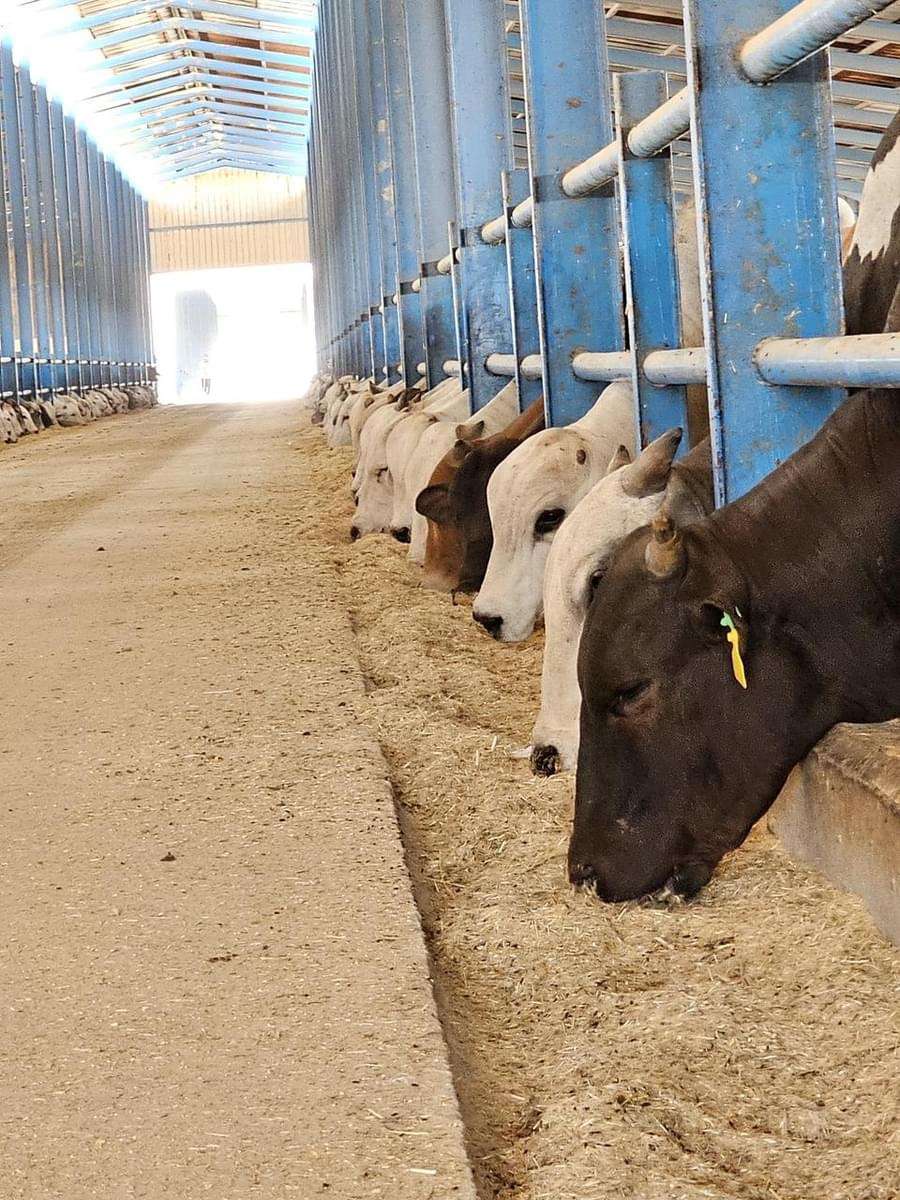
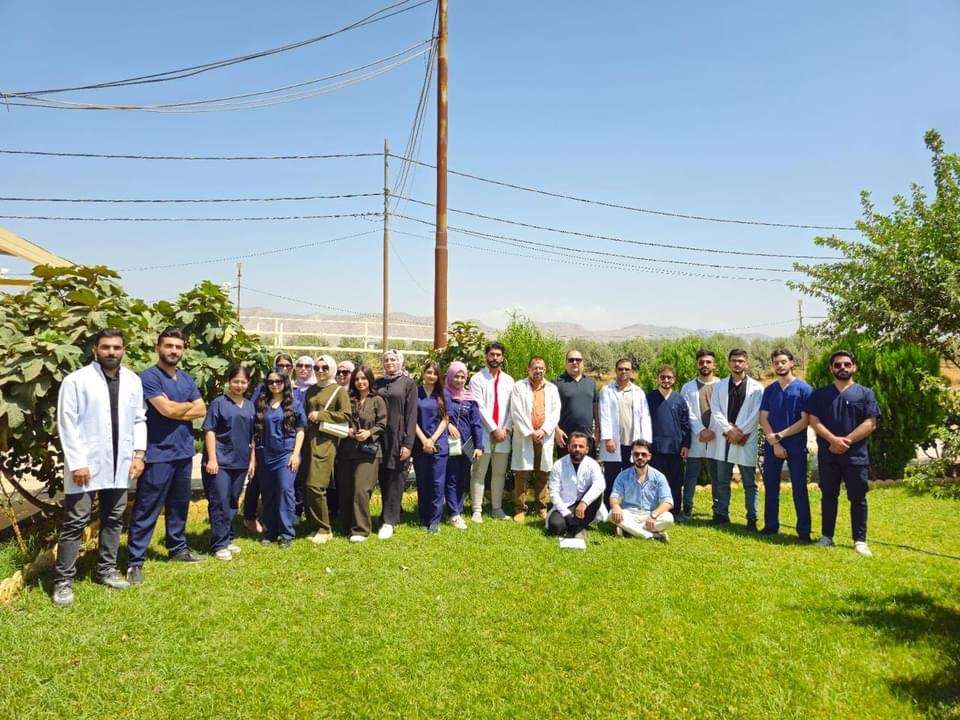
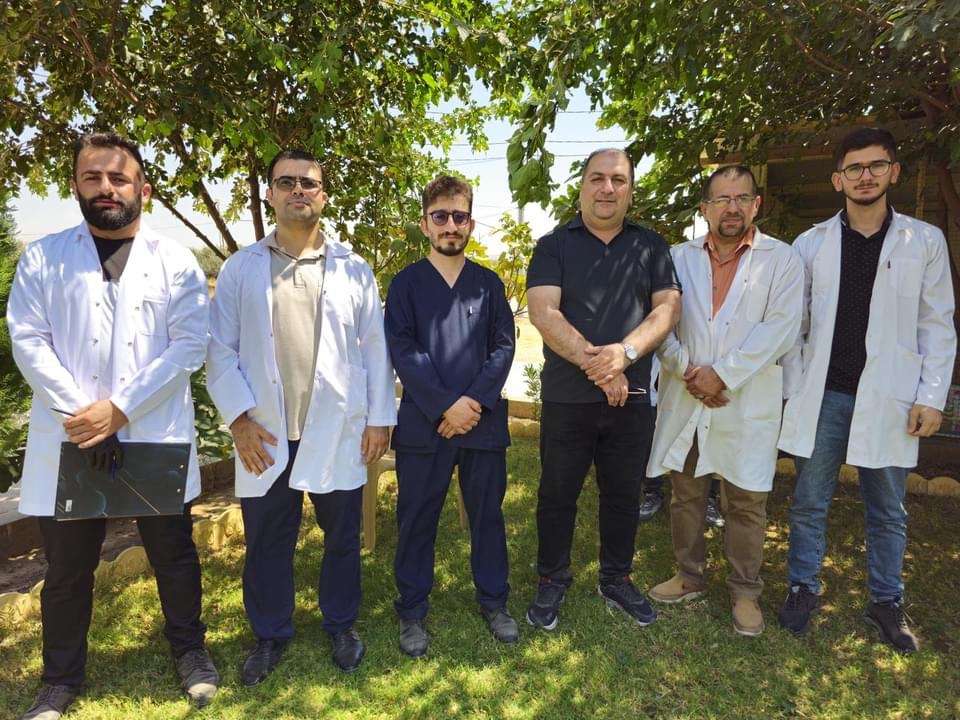
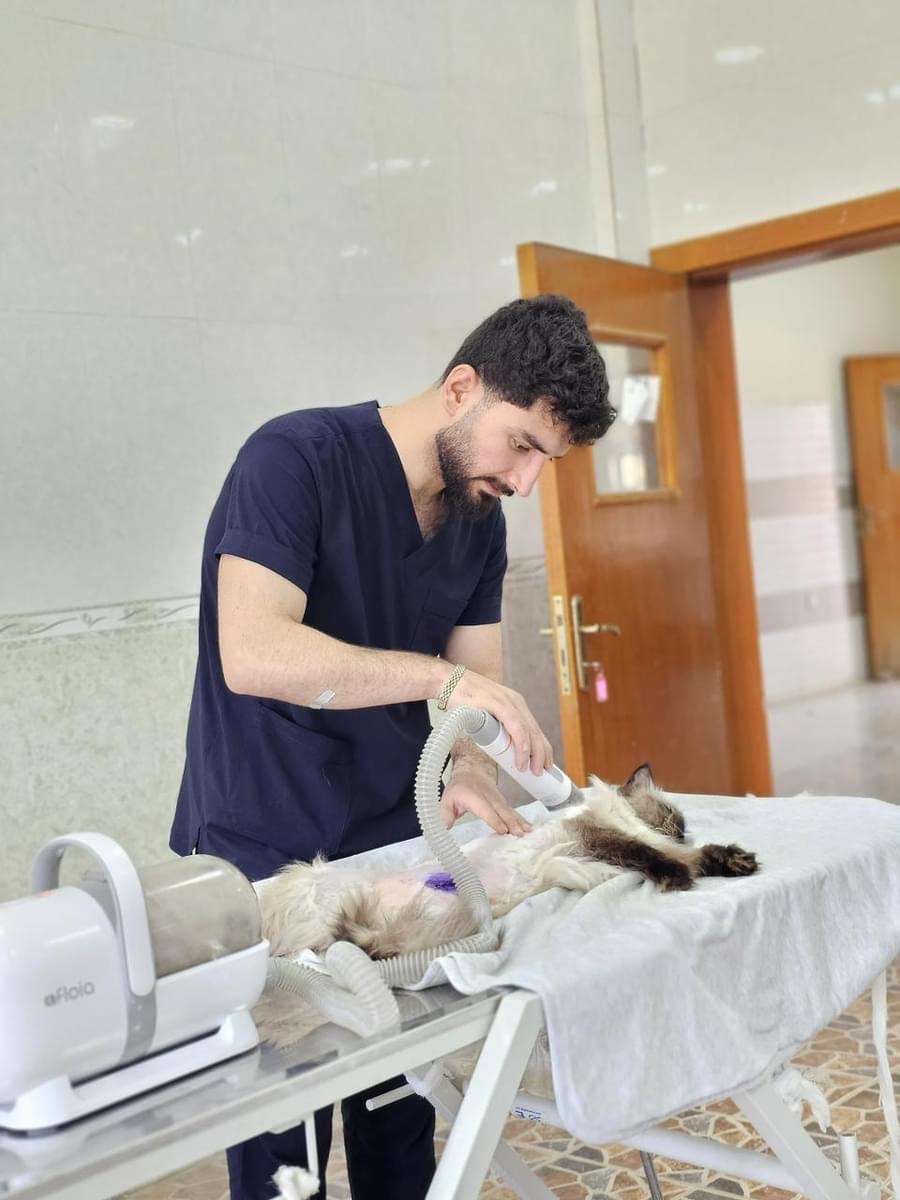
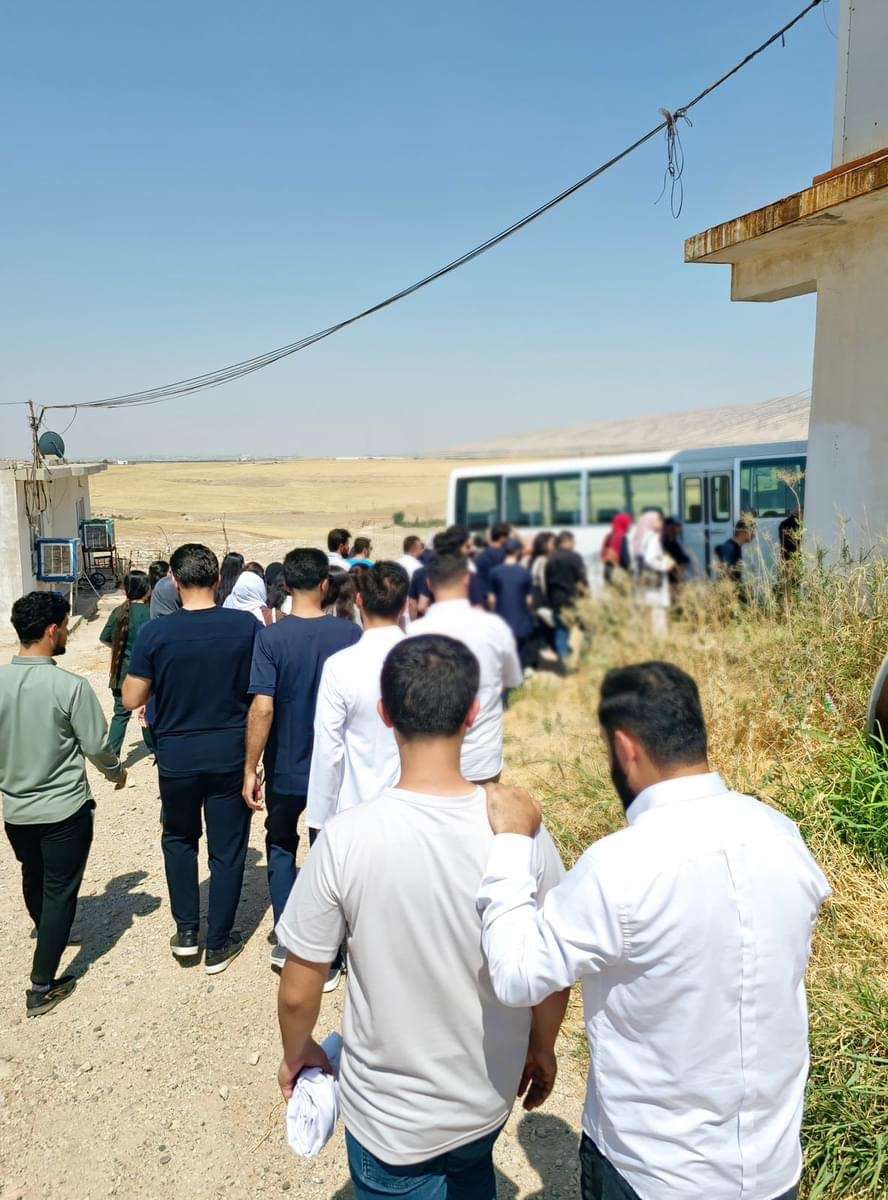
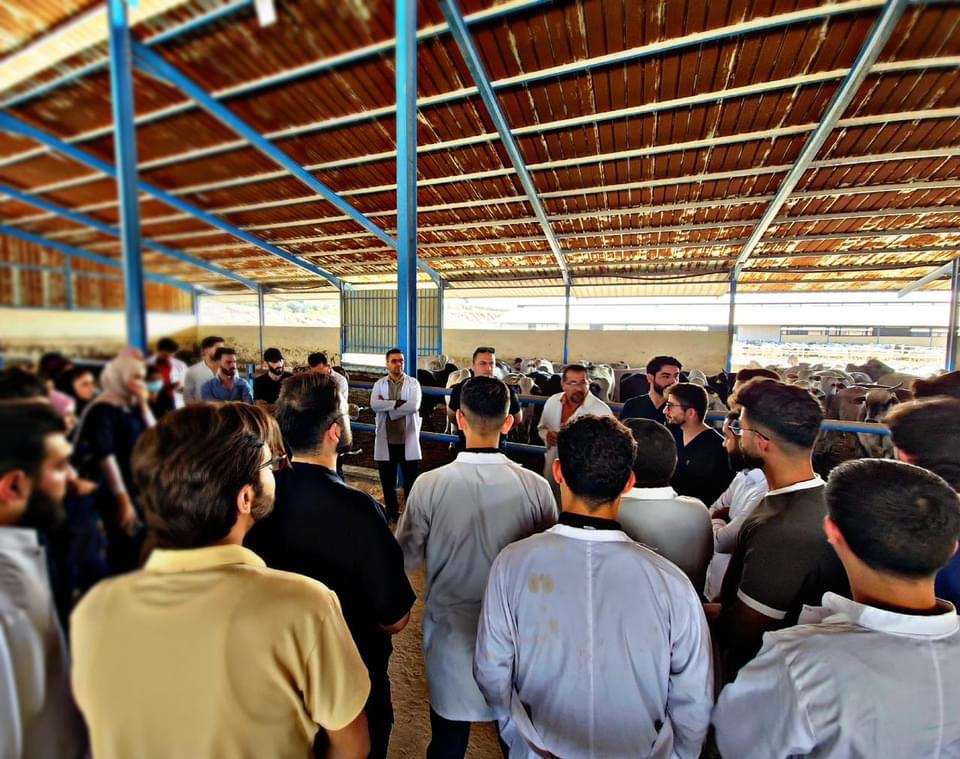
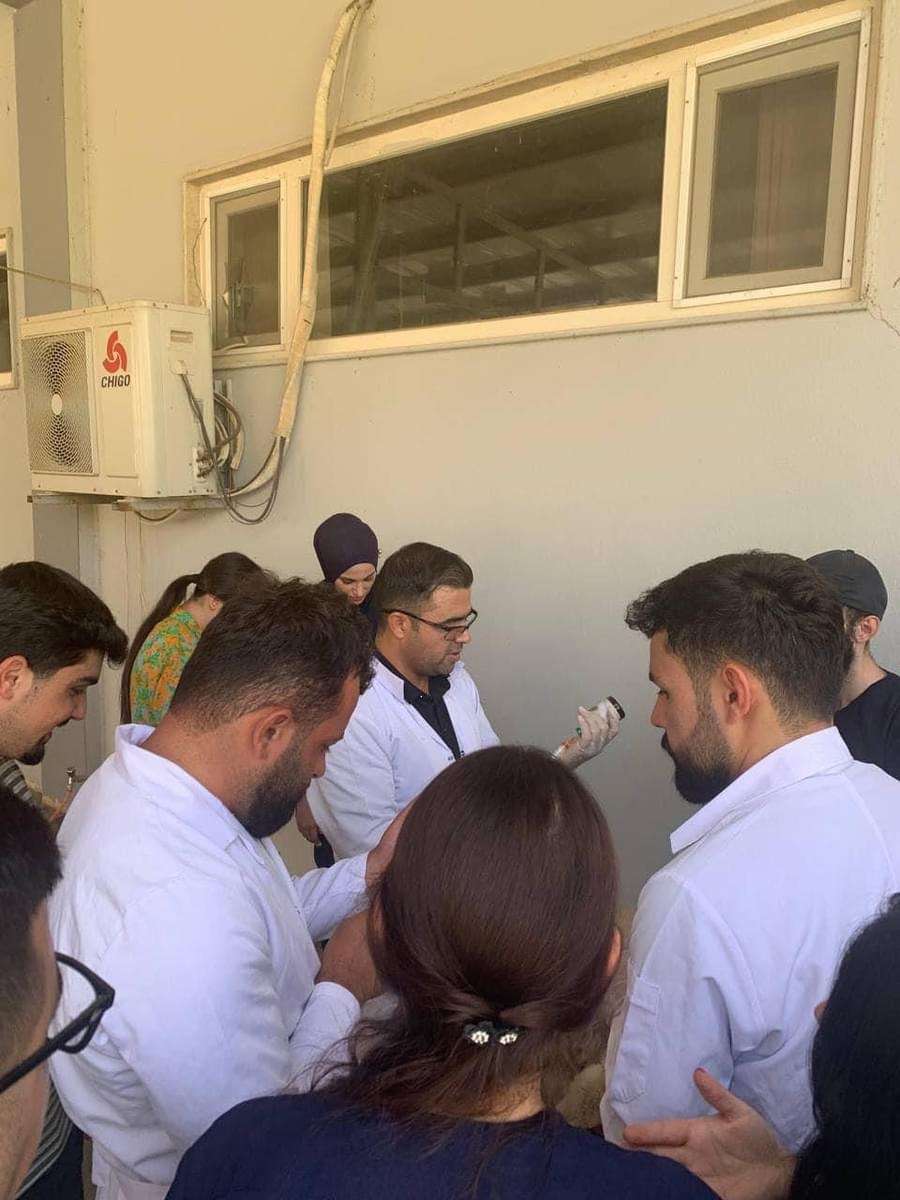
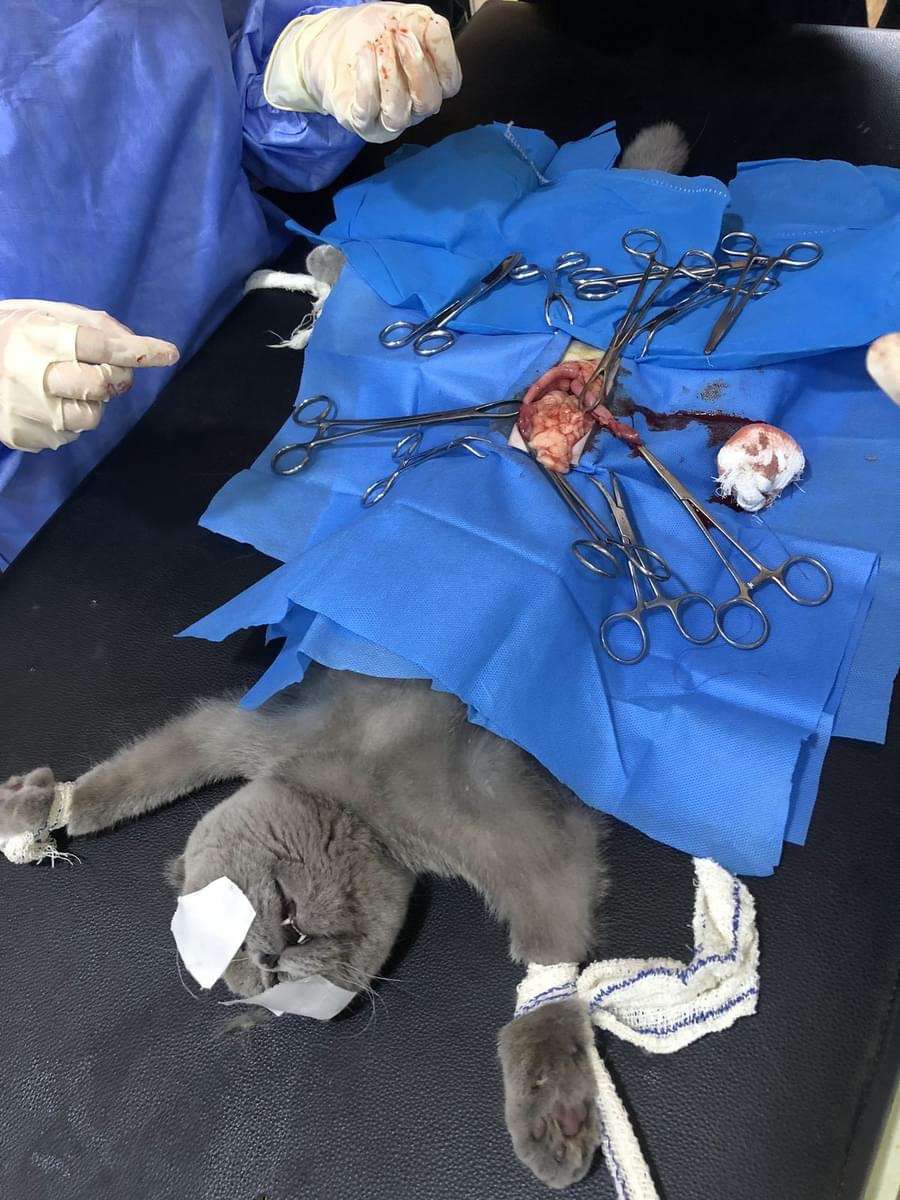
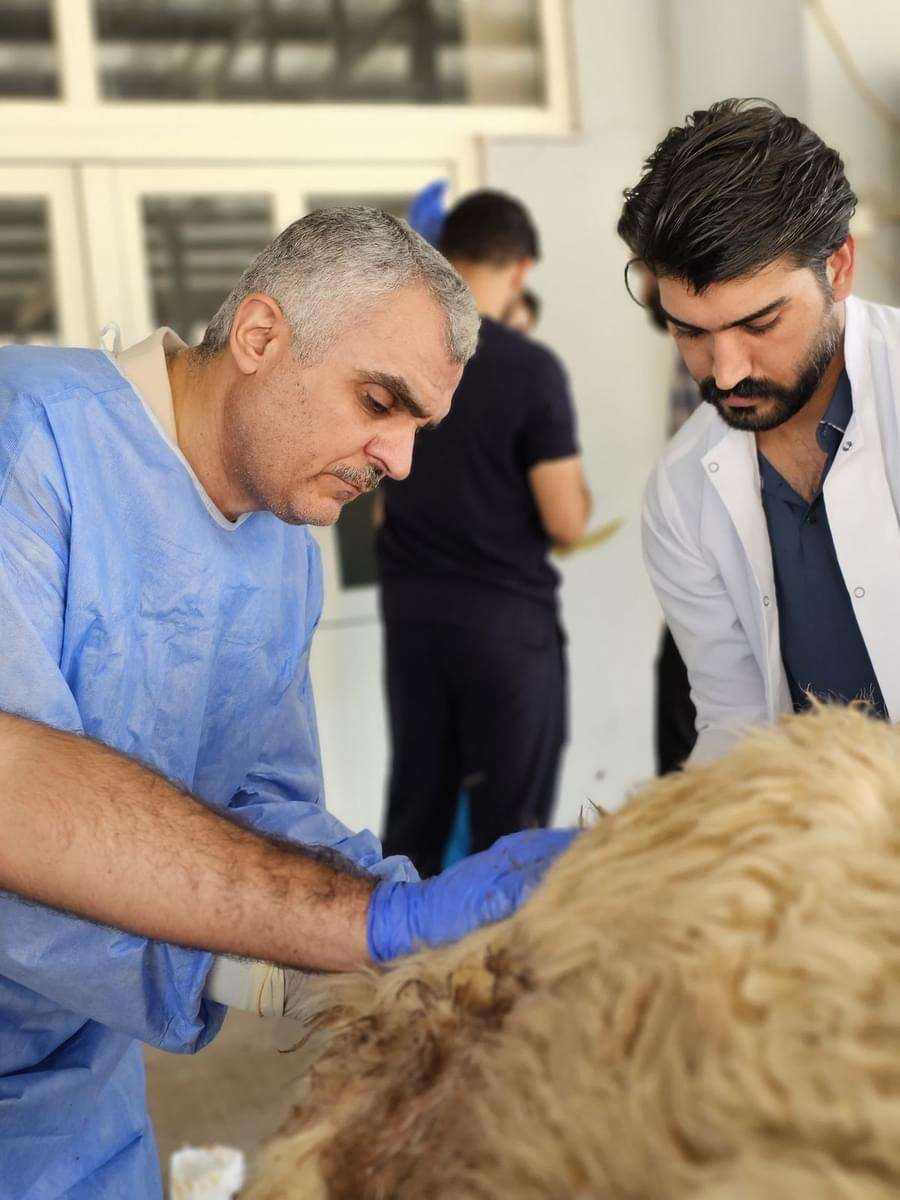
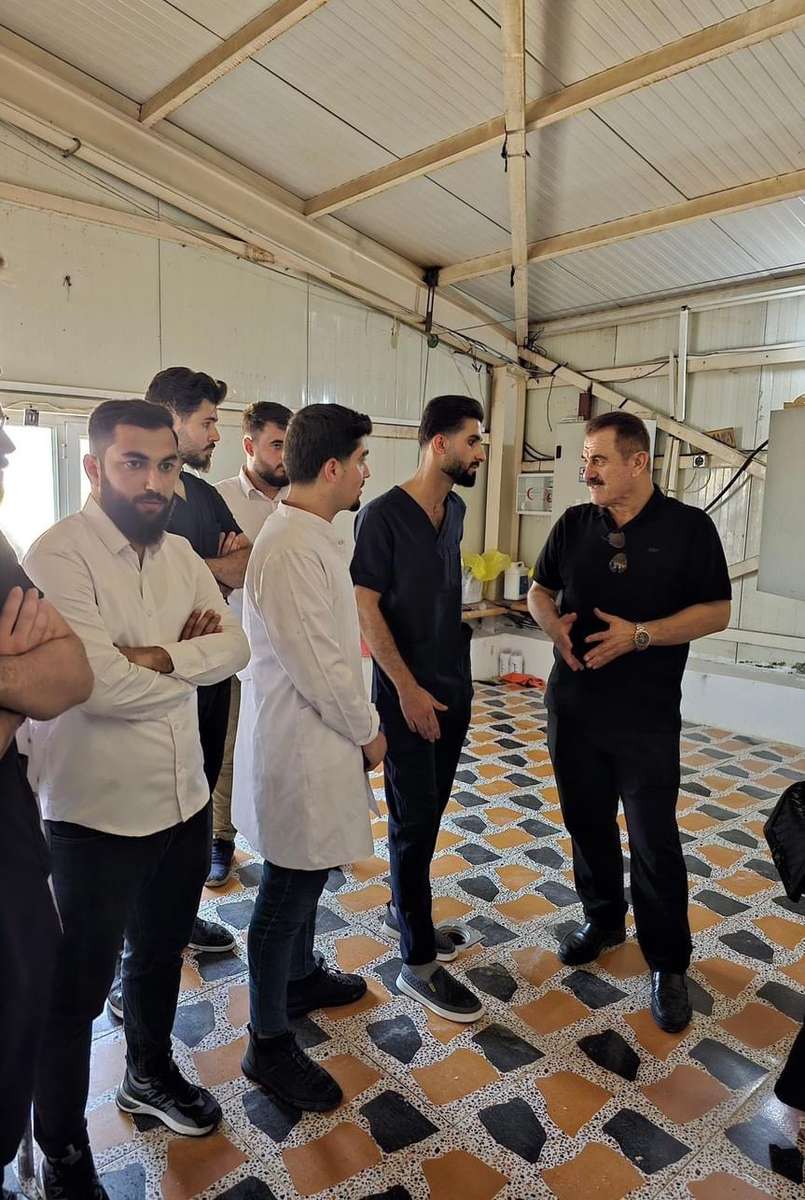
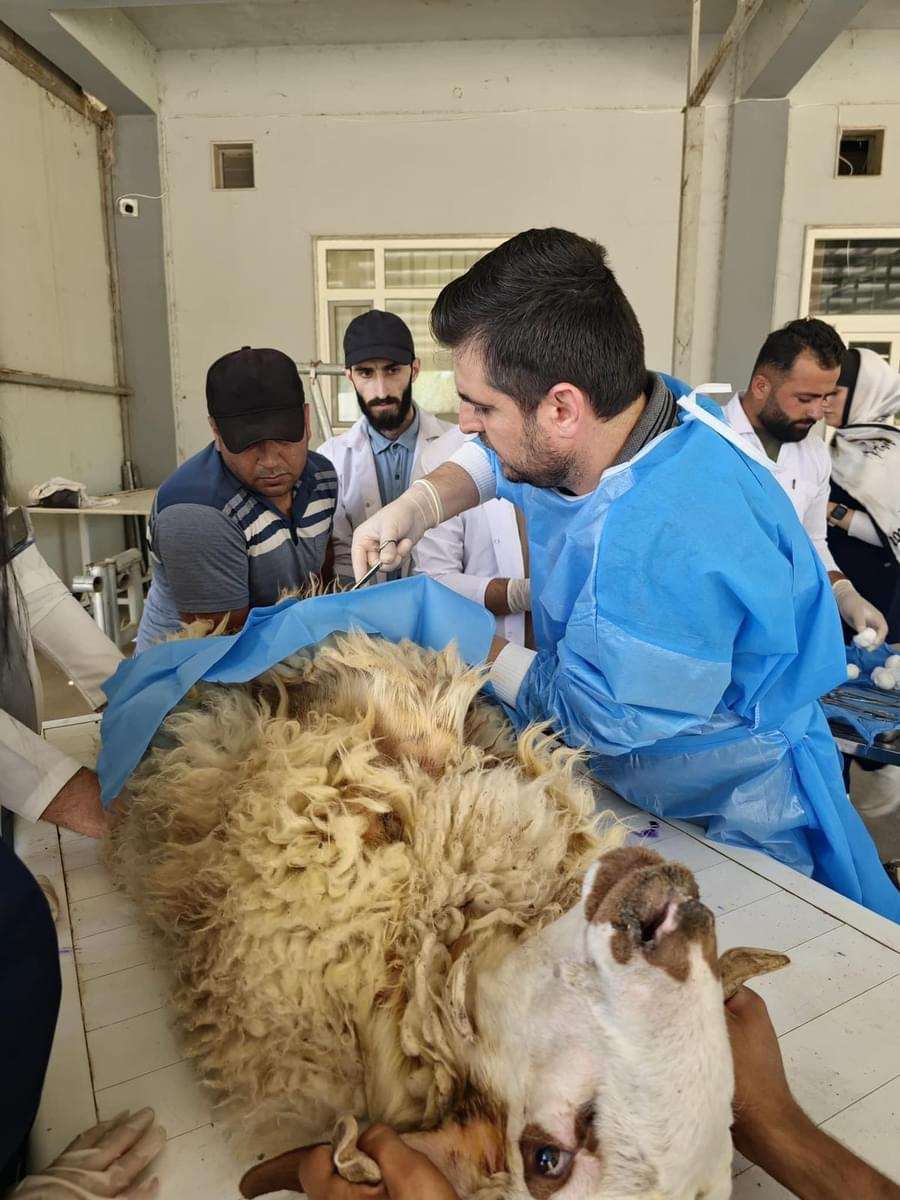
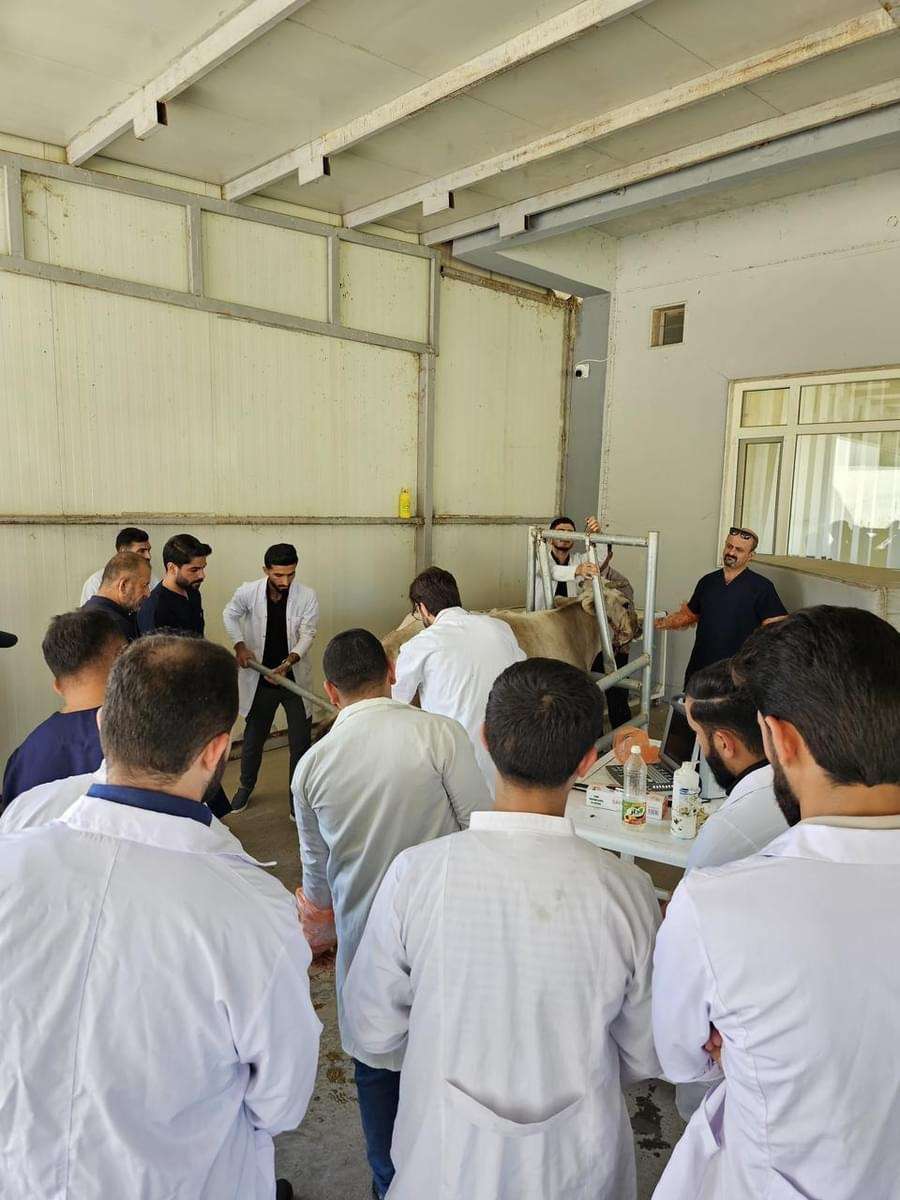
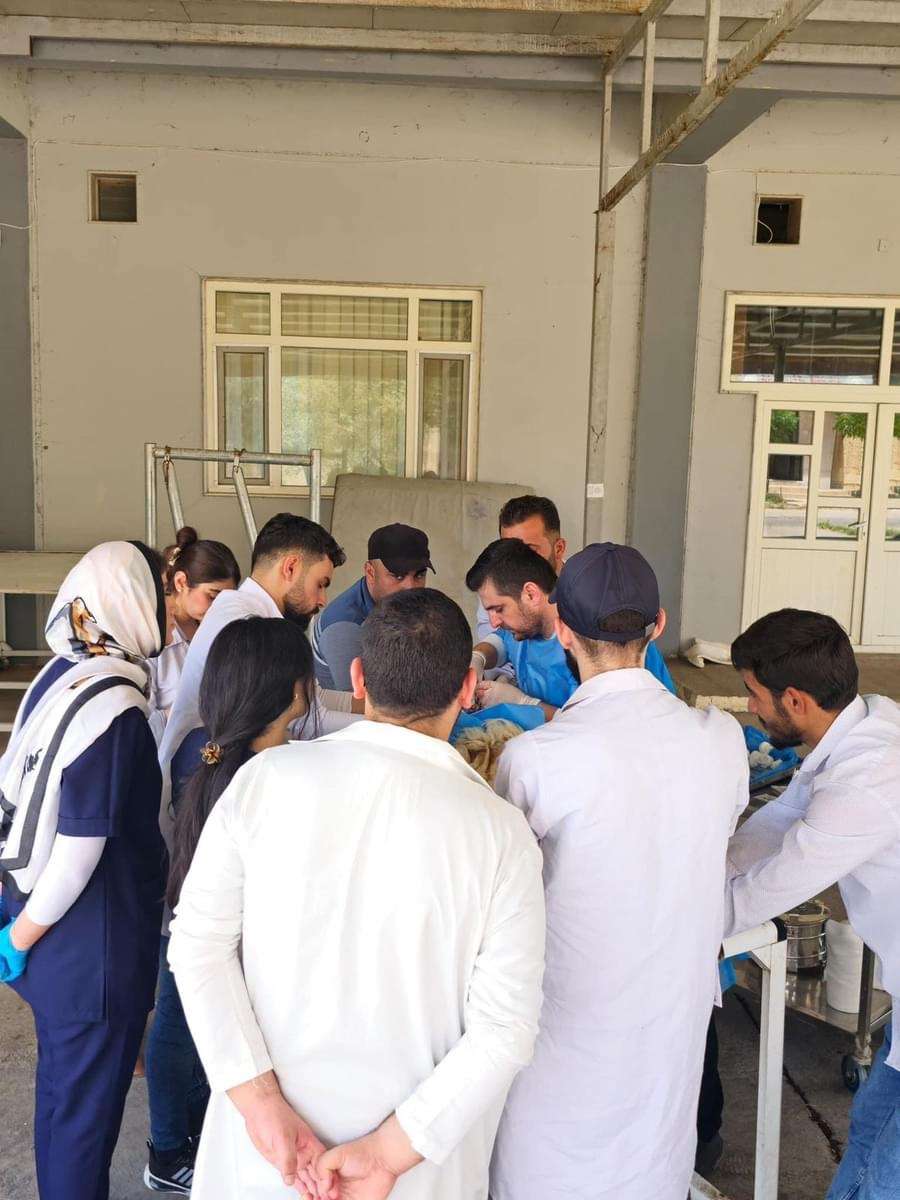
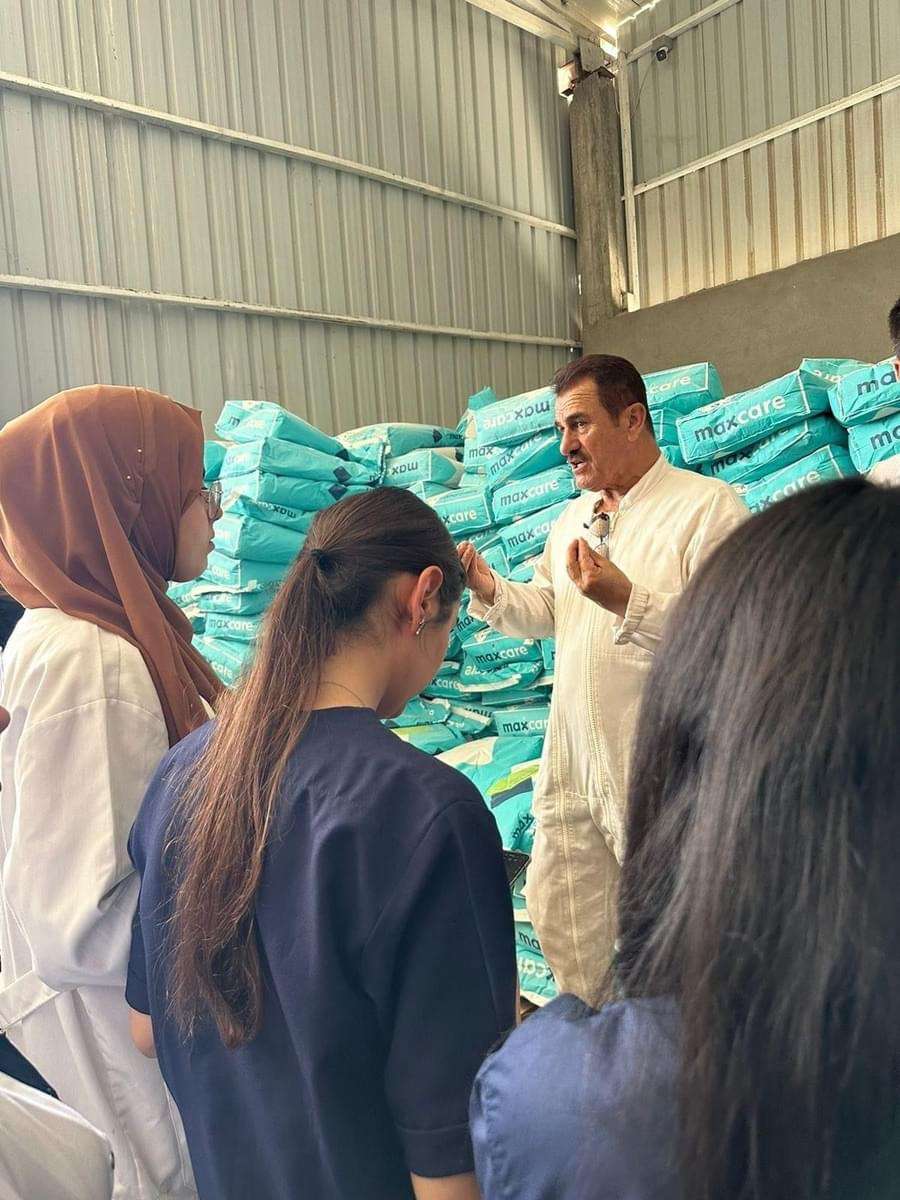
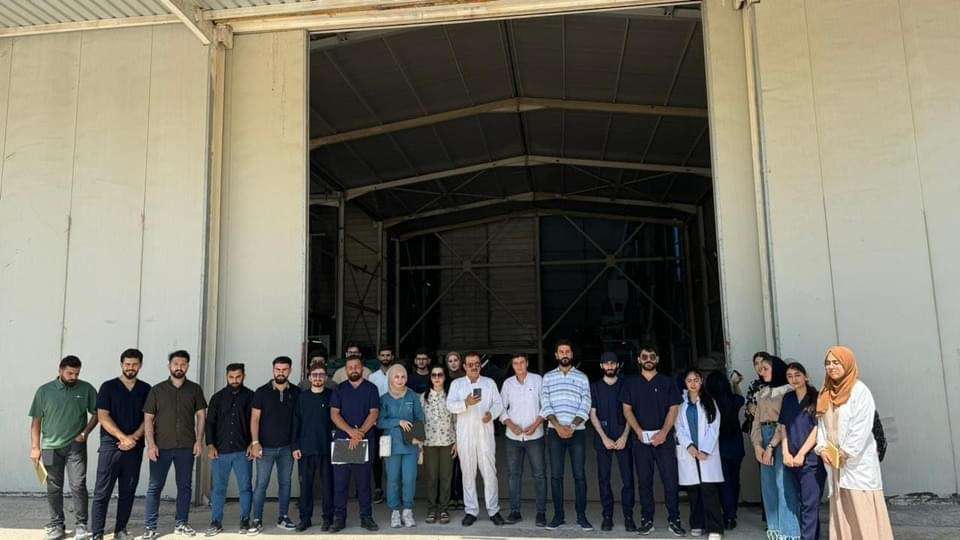
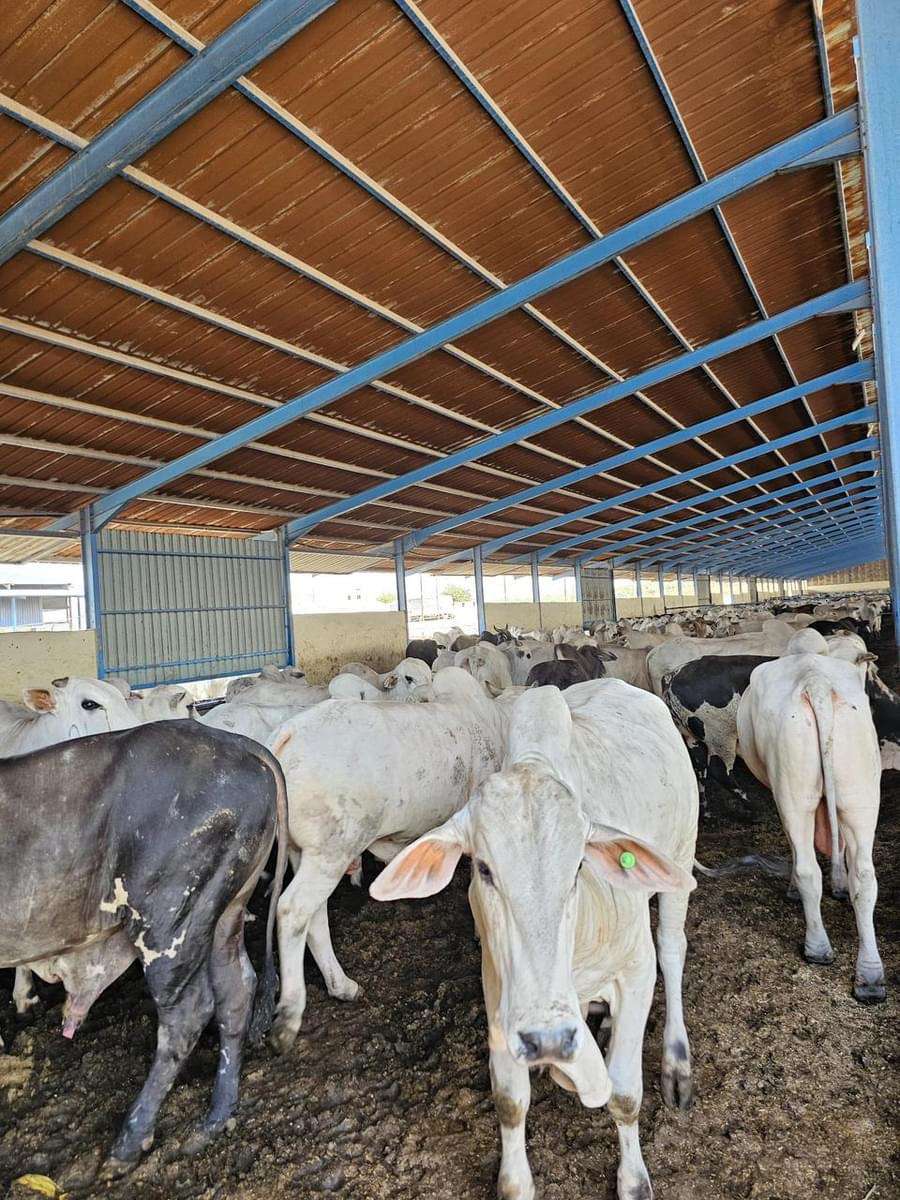
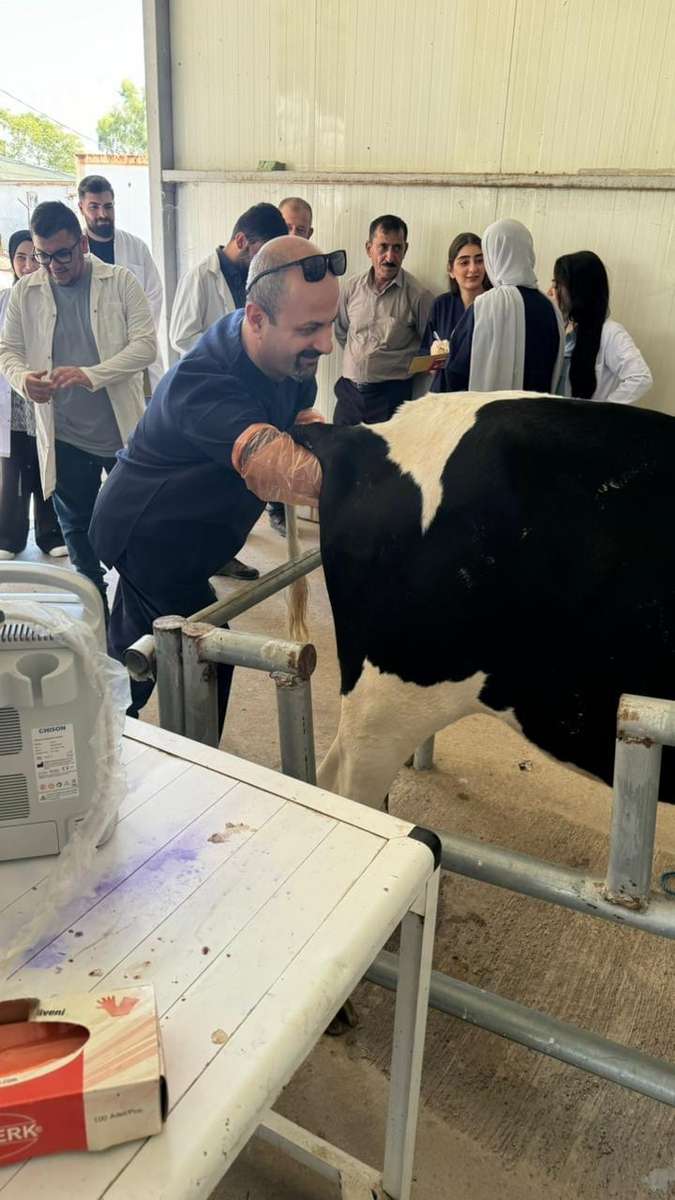
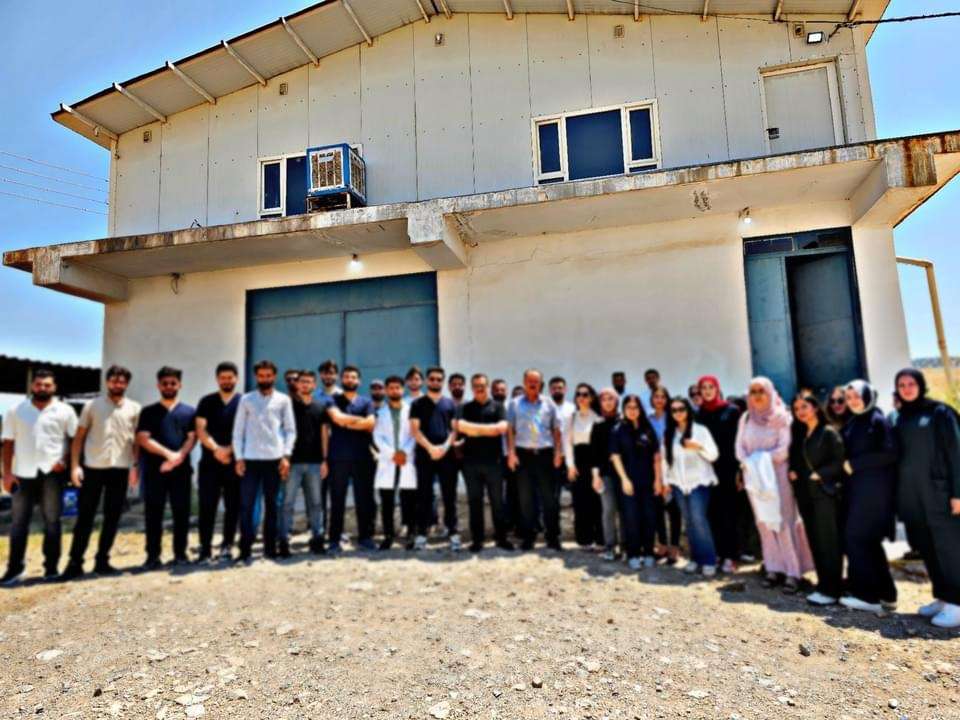
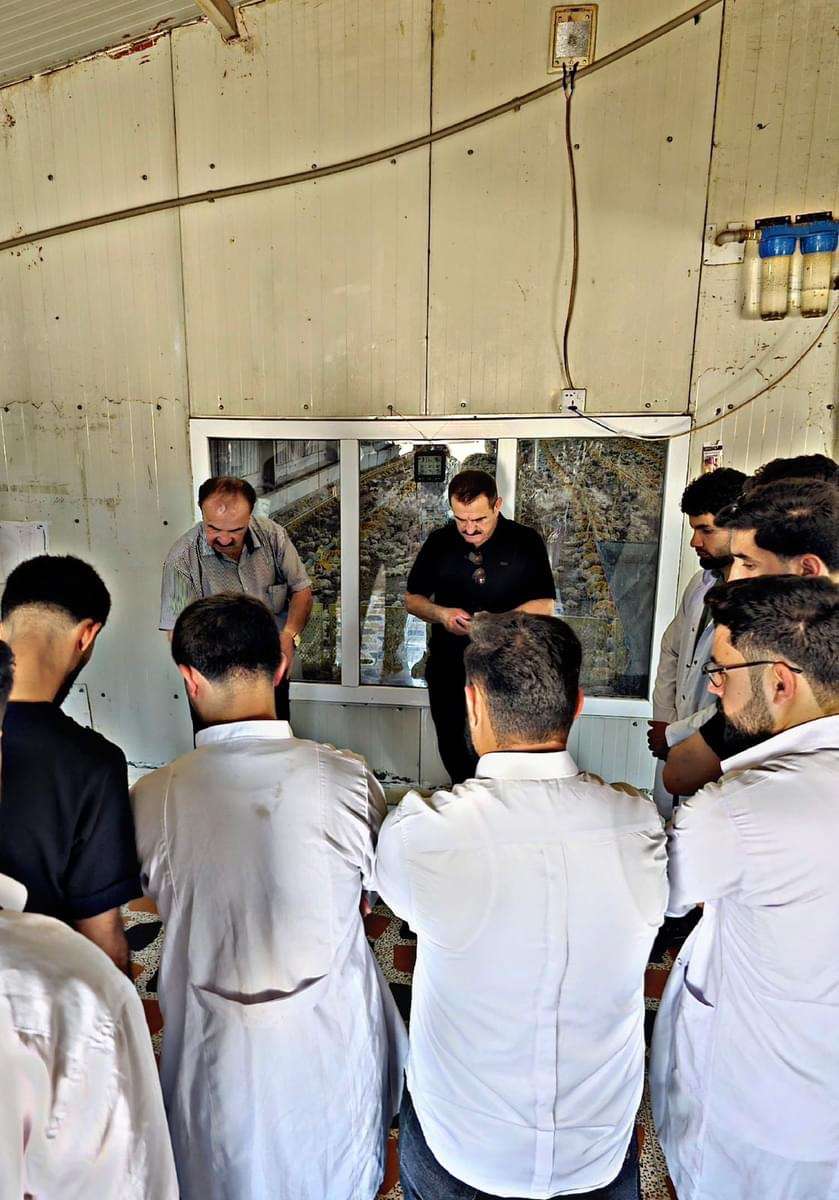
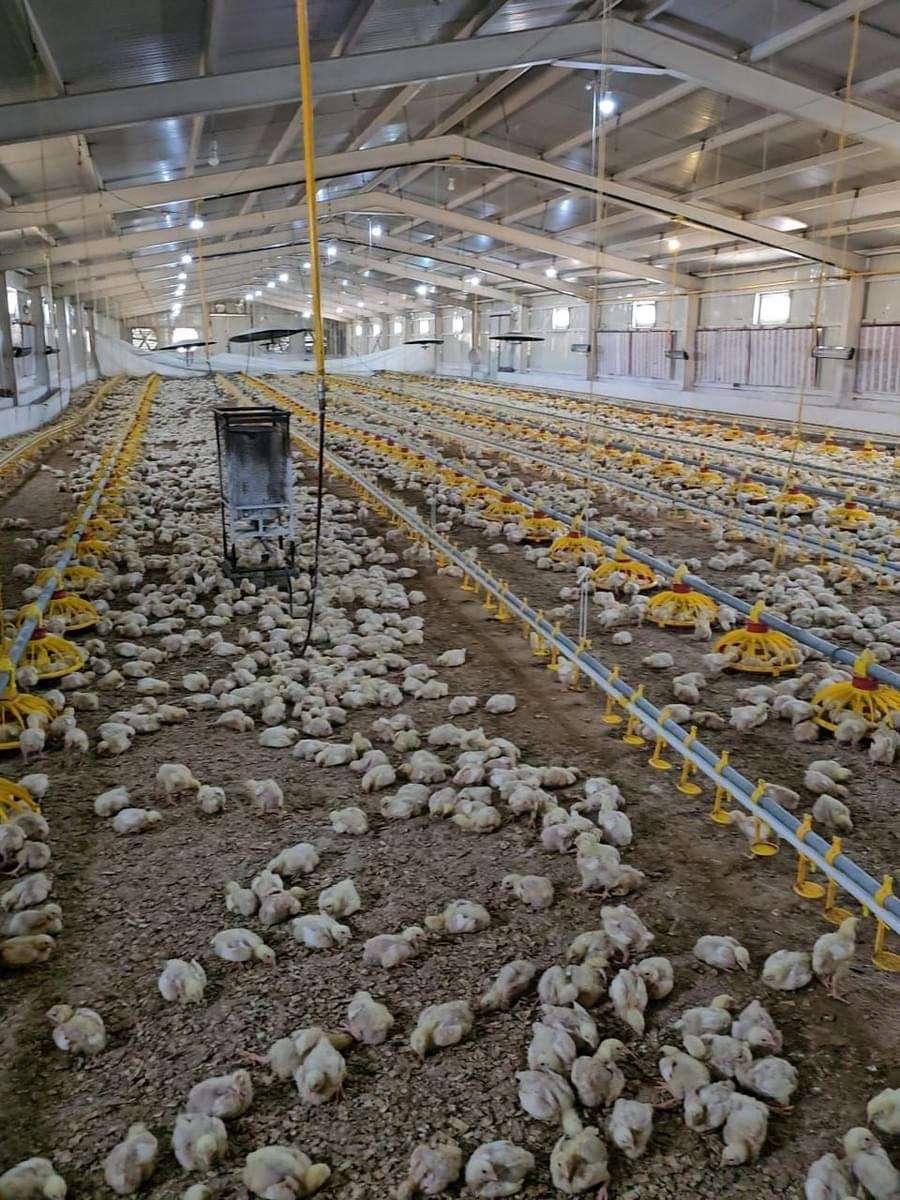
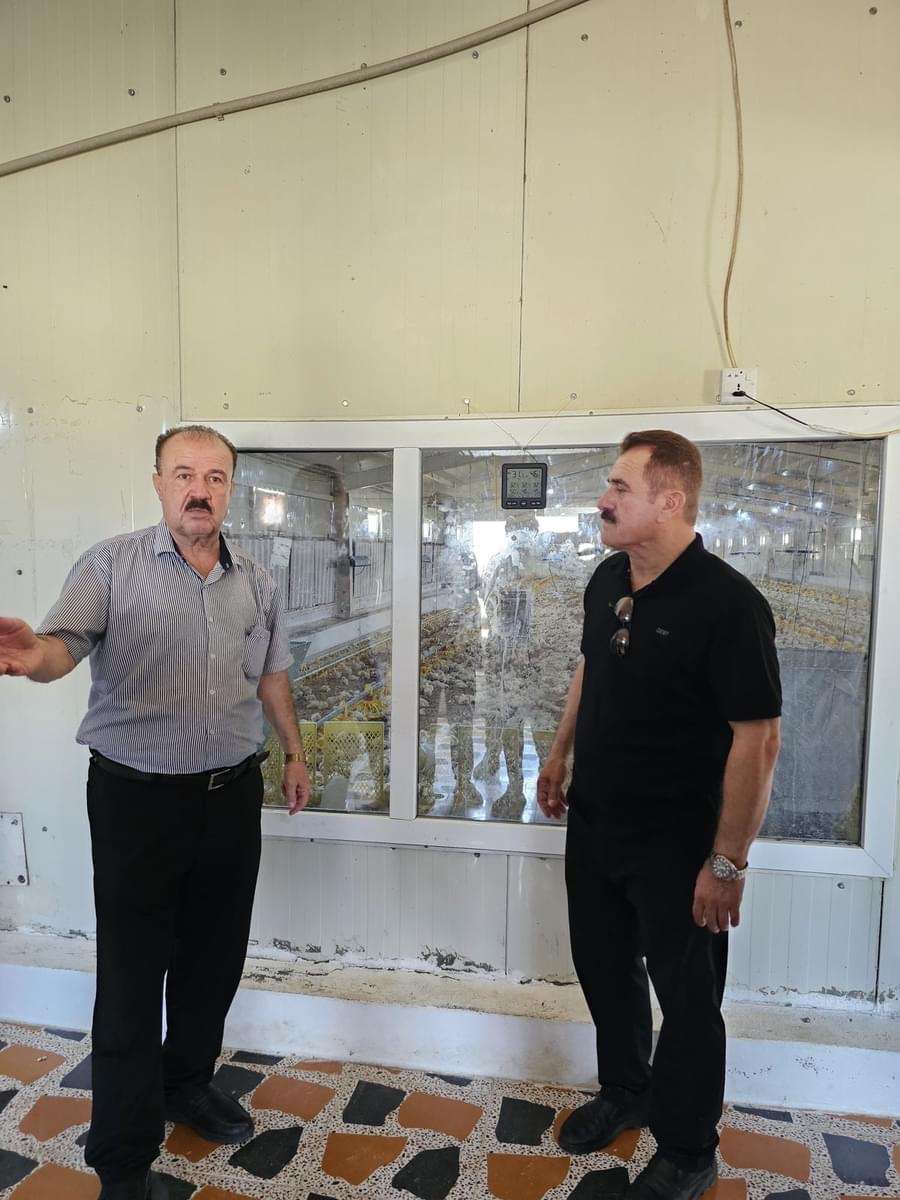
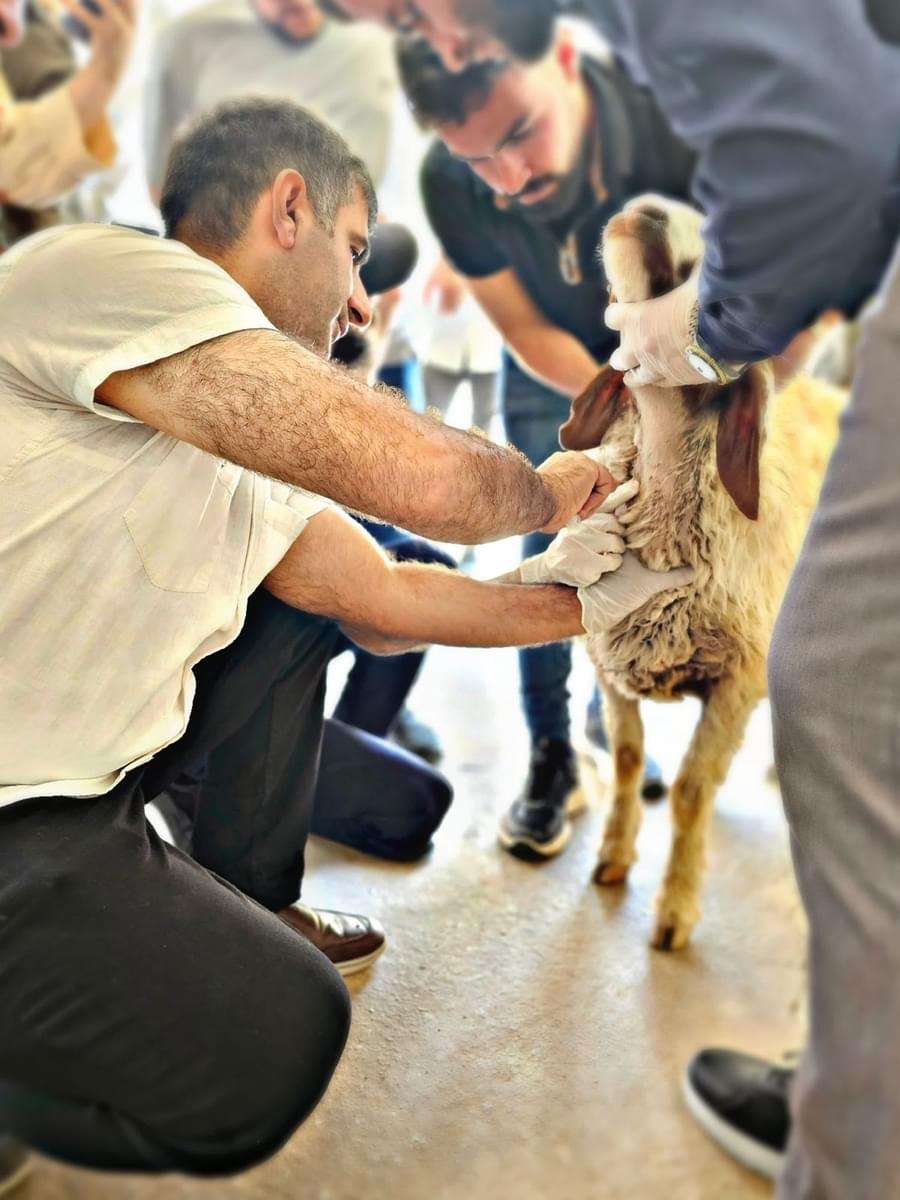
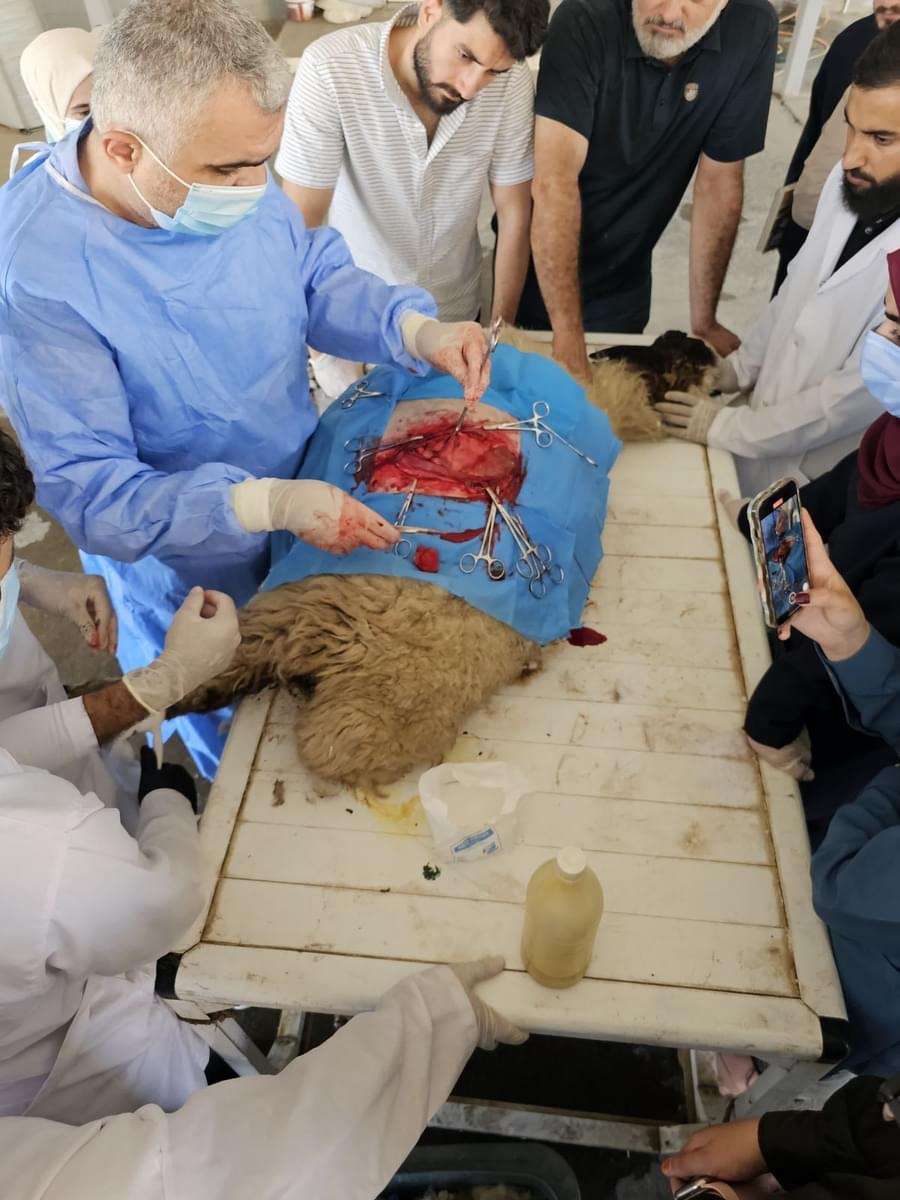
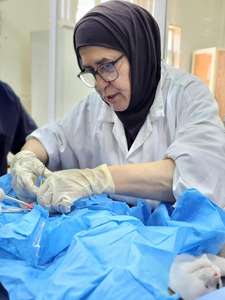
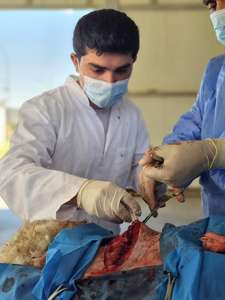
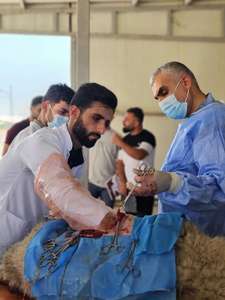
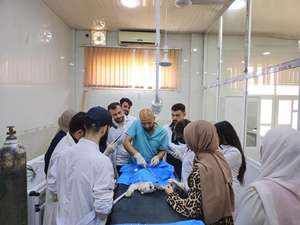
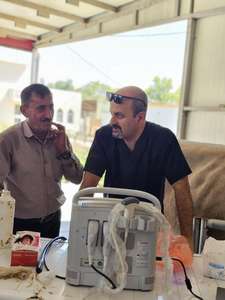
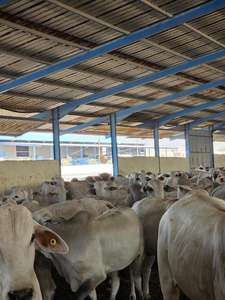
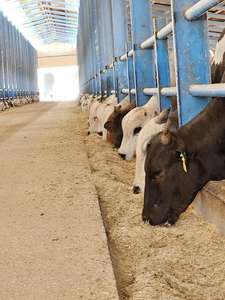
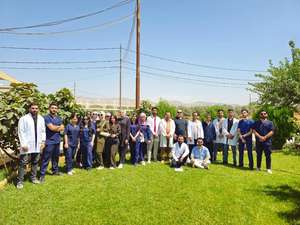
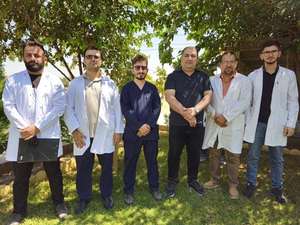
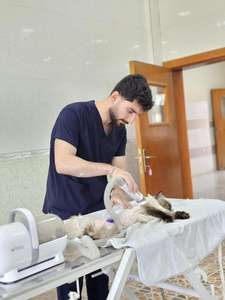
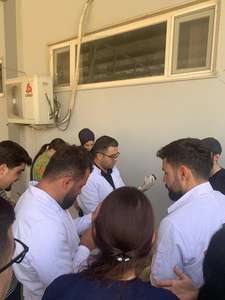
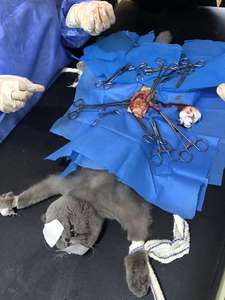
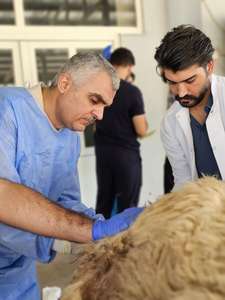
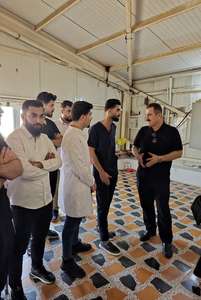
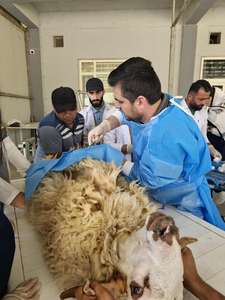
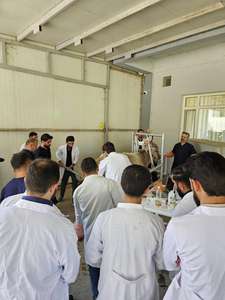
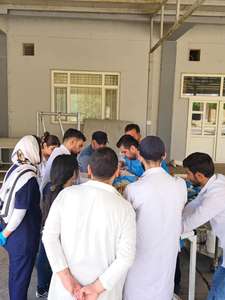
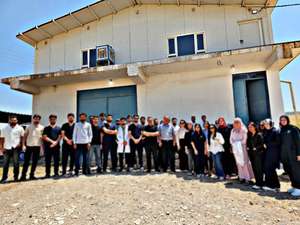
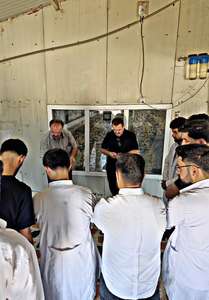
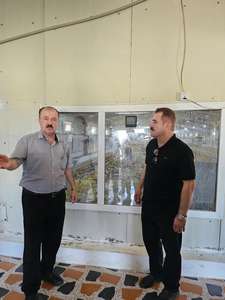
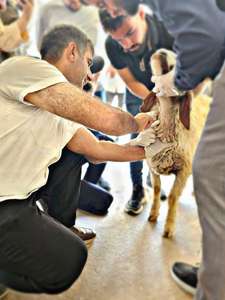
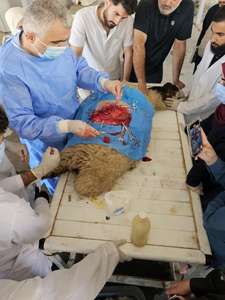
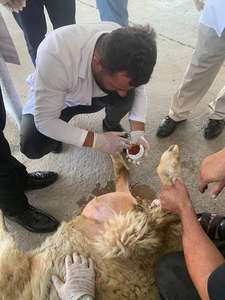
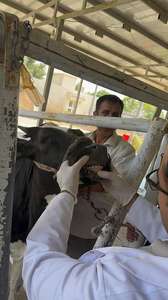
As we enter the final week of the summer training course for final-year students at the College of Veterinary Medicine, it's clear that the program has been both intensive and rewarding. Beginning on July 1, 2024, and concluding on August 31, 2024, the training has provided a comprehensive range of applied practices and activities.
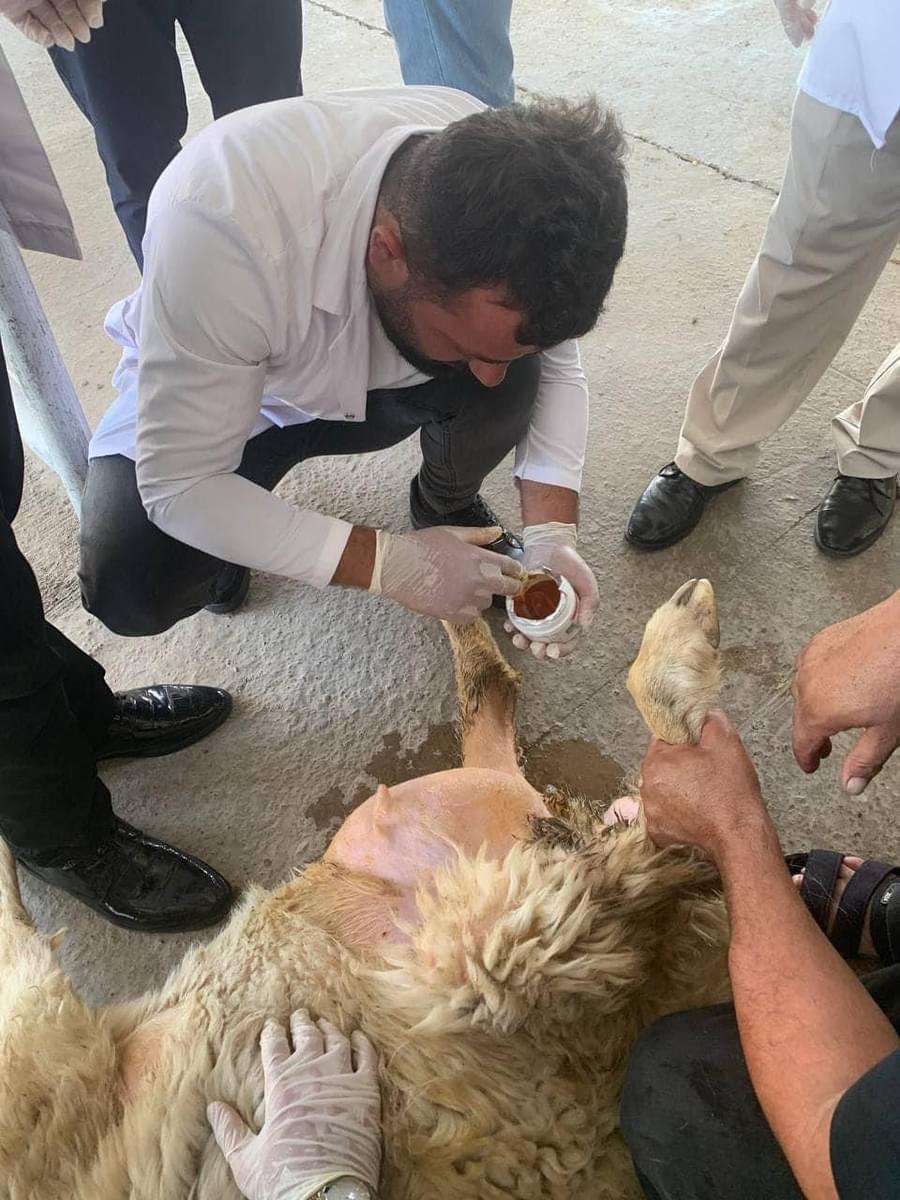
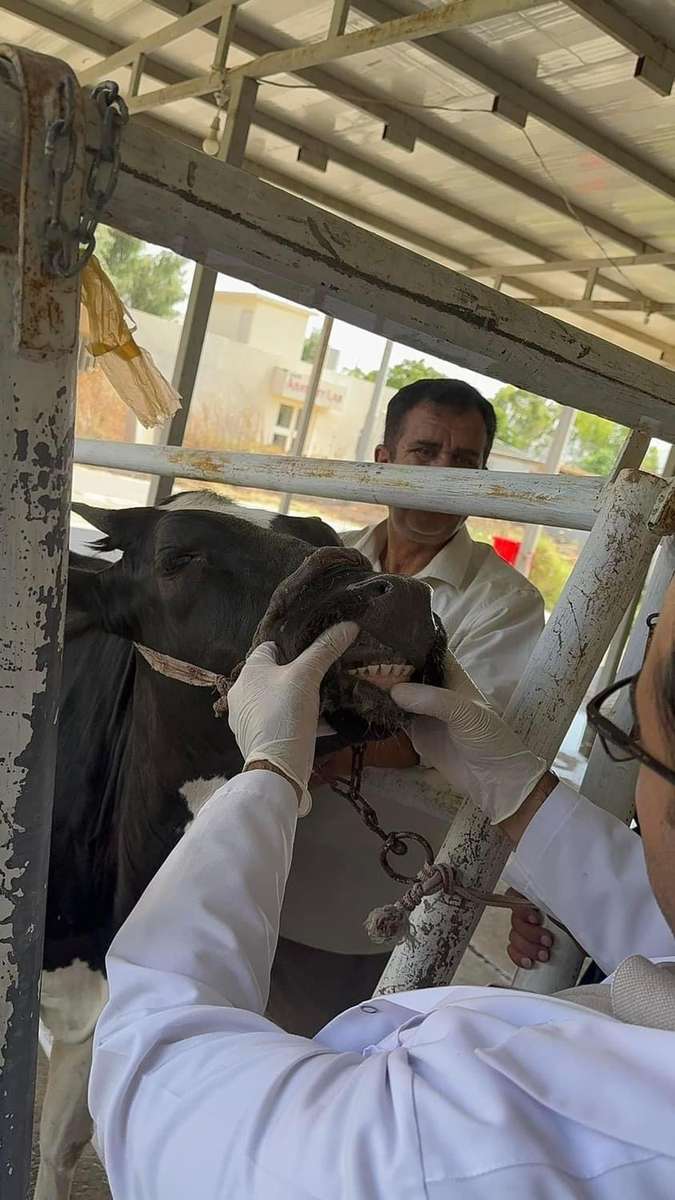
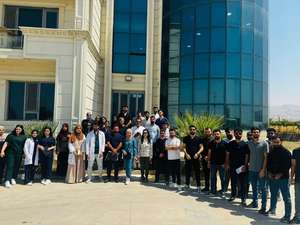
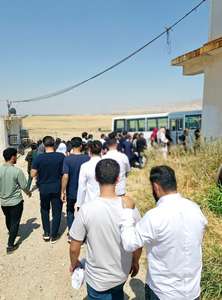
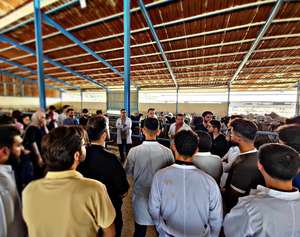
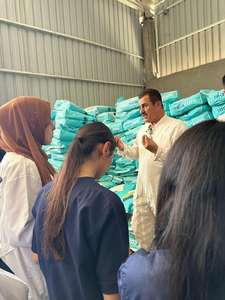
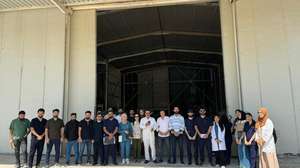
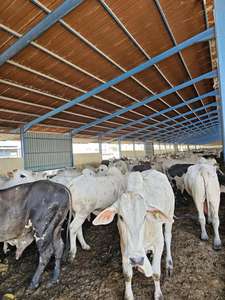
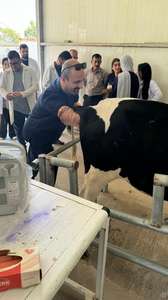
The course has covered diverse topics including medicine, surgery, obstetrics, poultry, and clinical pathology. Students have also participated in field visits to significant sites and projects within the governorate. A total of 52 students, divided into five groups, have actively engaged in handling cases, demonstrating thoughtful and scientifically-informed approaches learned during their studies. They managed everything from case histories and clinical investigations to lab samples, diagnoses, and, when necessary, surgical operations.
Key site visits during the training included:
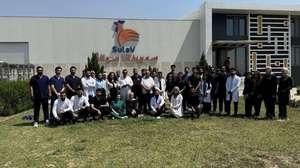
- Solav Broiler Chicken Slaughterhouse
- Safa Factory for Animal Feed Production
- World Calf Fields in Zakho
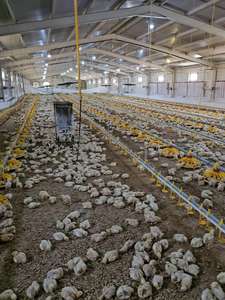
- Poultry Fields
The training involved 20 professors from various departments, including surgery, medicine, obstetrics, clinical pathology, and poultry. They collaborated under the guidance of Dr. Shivan Nawzat Hussein , Head of the Department of Medicine and Surgery, and Vice Dean Dr. Zeravan Abdulrazaq Mohammed.
The curriculum encompassed a broad spectrum of topics:
- Internal and preventive medicine, including disease management techniques and clinical examinations of farm animals.
- Non-infectious diseases of the alimentary tract in ruminants and non-ruminants.
- Liver diseases in farm animals.
- Routes of drug administration and antimicrobial therapeutics.
- Infectious diseases affecting the respiratory, gastrointestinal, skin, and reproductive systems.
- Metabolic and nutritional deficiency diseases.
- Cardiovascular system diseases.
- Clinical examination practices.
- Newborn animal diseases.
- Pre- and post-partum complications, including issues affecting fertility in dairy cows and small ruminants.
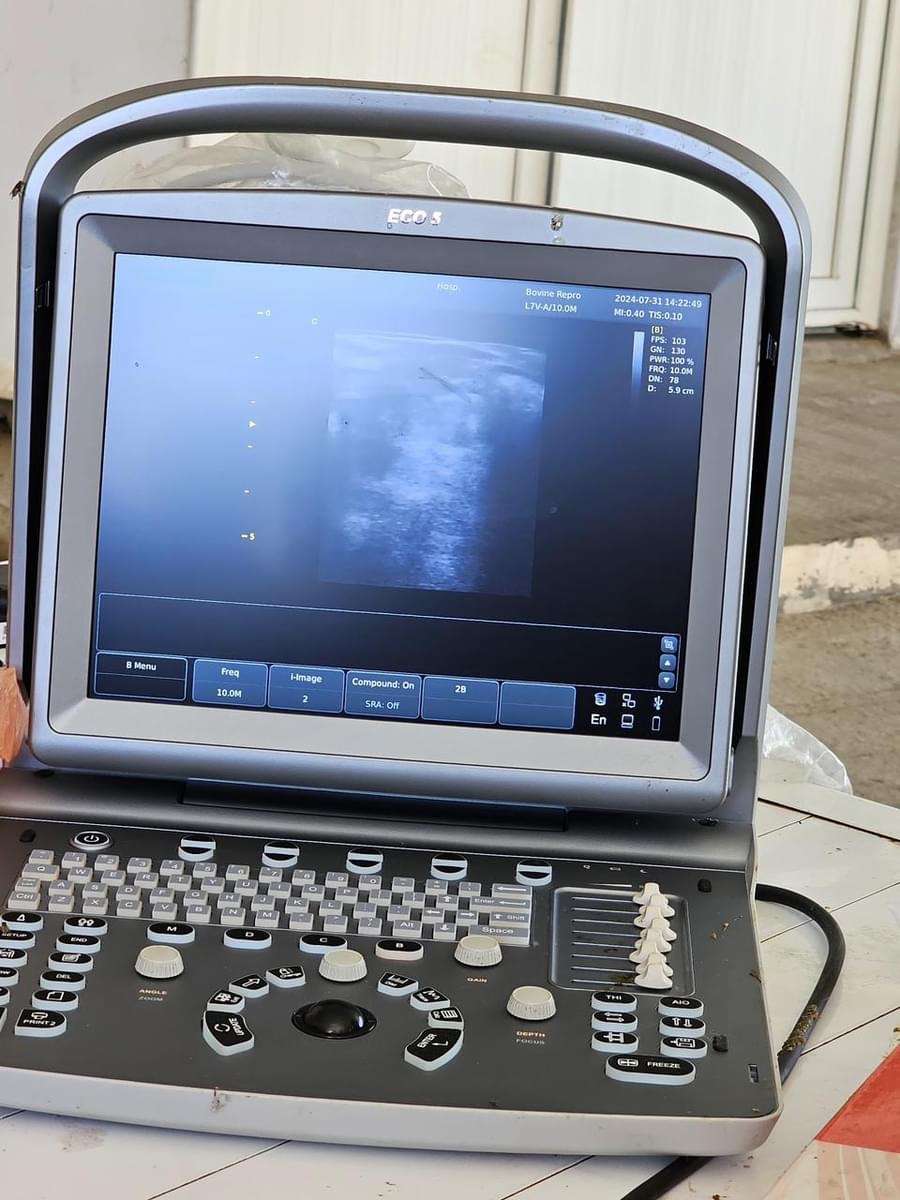
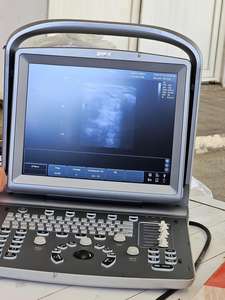
- Ultrasound use for pregnancy diagnosis and reproductive issue identification.
- Reproductive tract infections, infertility problems, estrous cycle management, and neonatal care.
- Dairy cattle, goat, and sheep management.
- Advanced reproductive biotechnology and semen collection techniques.
- Zoonotic and viral diseases, including diagnostics and prevention.
- Sample collection techniques, laboratory biosafety, and various diagnostic methods.
- Clinical parasitology and laboratory examinations.
- Procedures including castration, ovariohysterectomy, rumenotomy, and gastrotomy, as well as anesthesia and radiography in different animals.
In conclusion, the students have approached their responsibilities with great dedication and skill. As they look forward to future job opportunities, the experience gained through this training will undoubtedly serve as a valuable foundation for their careers. Their interactions with case owners and employers have paved the way for the realization of their professional aspirations.