
خولەکا راهێنانێ یا نیڤ دەولەتی

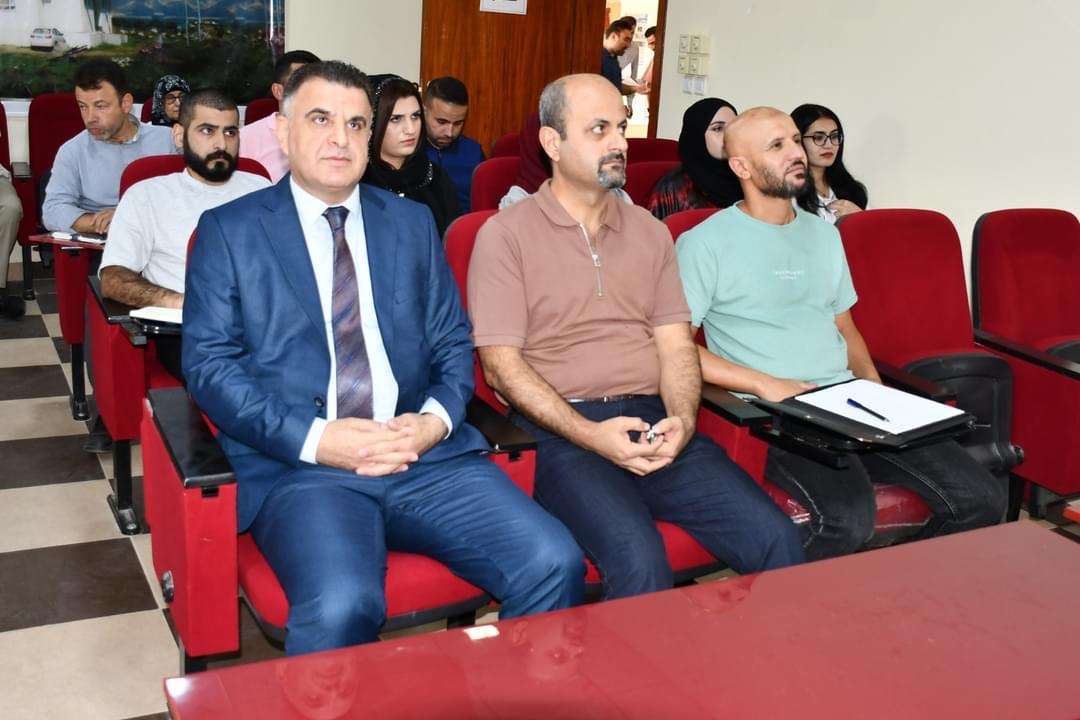
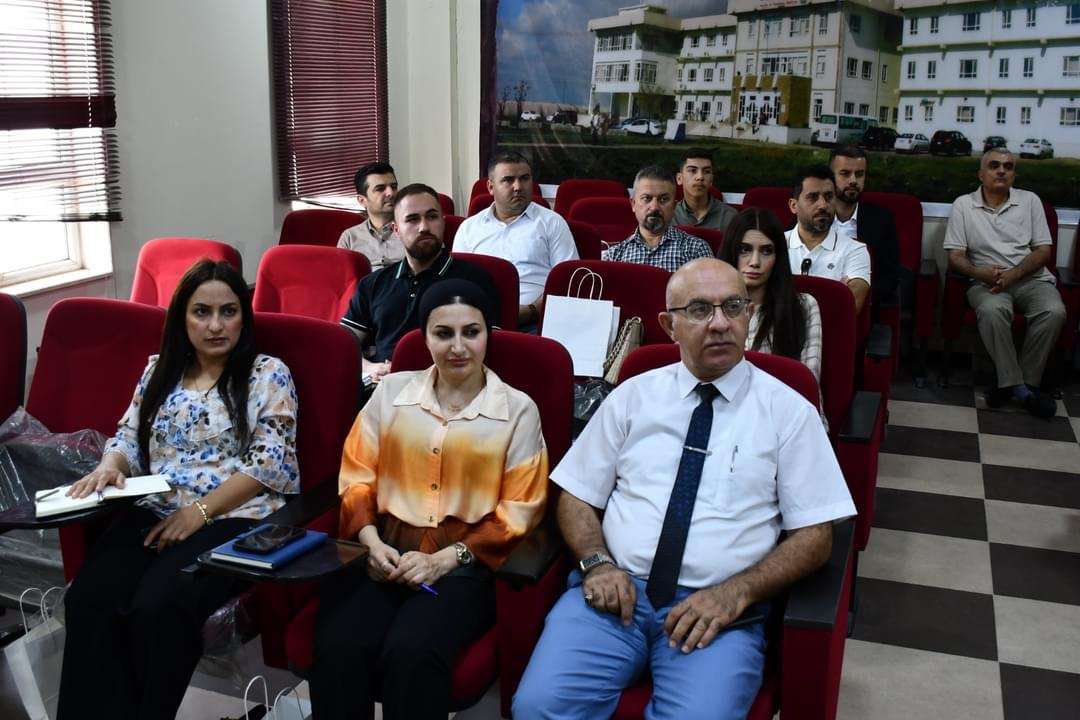
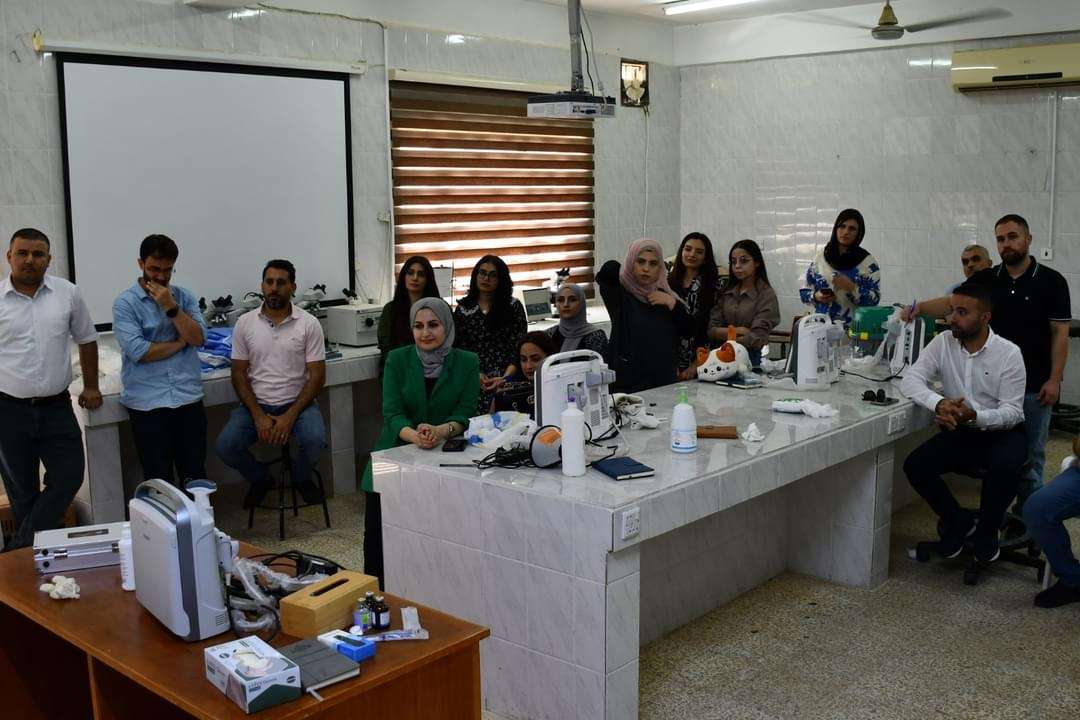
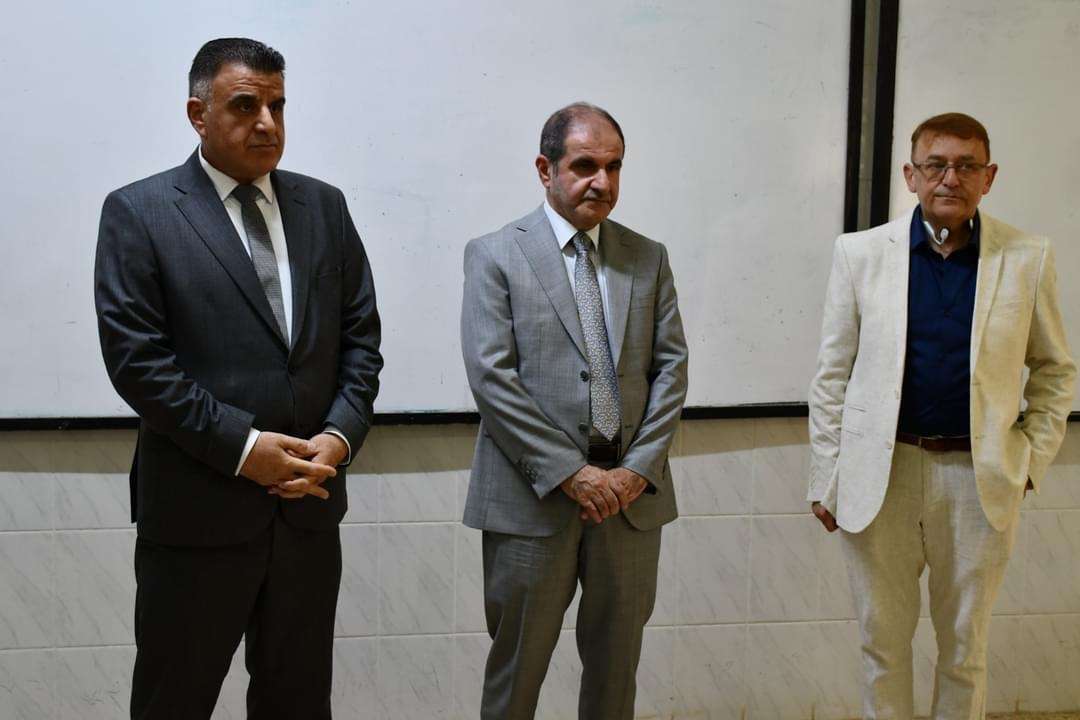
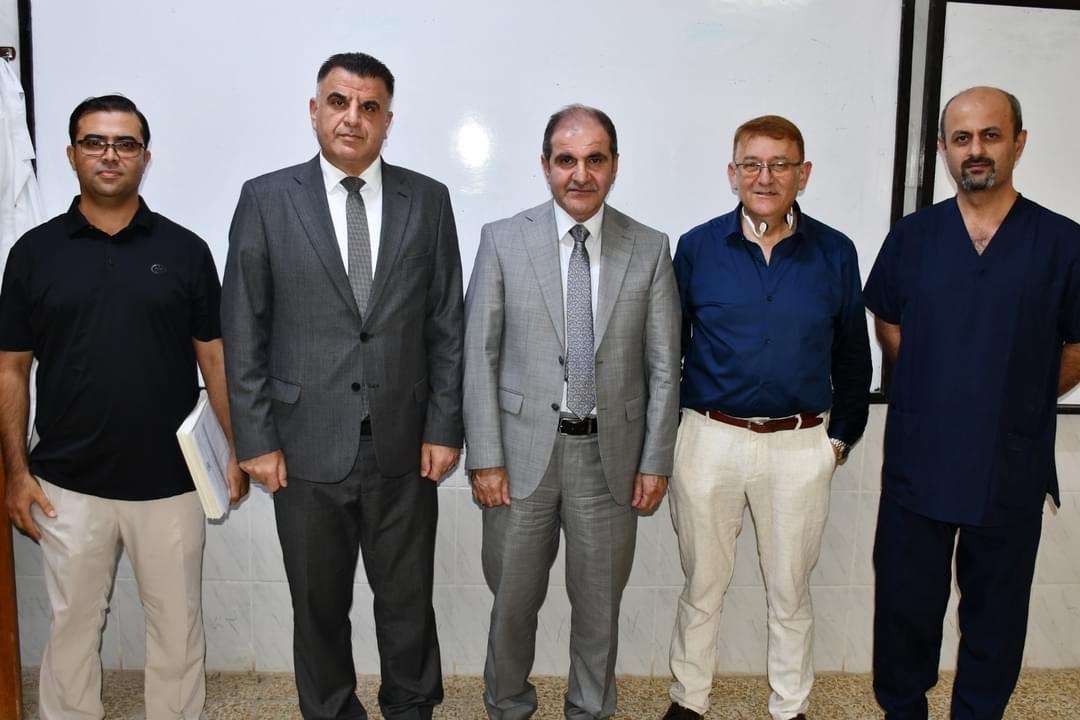
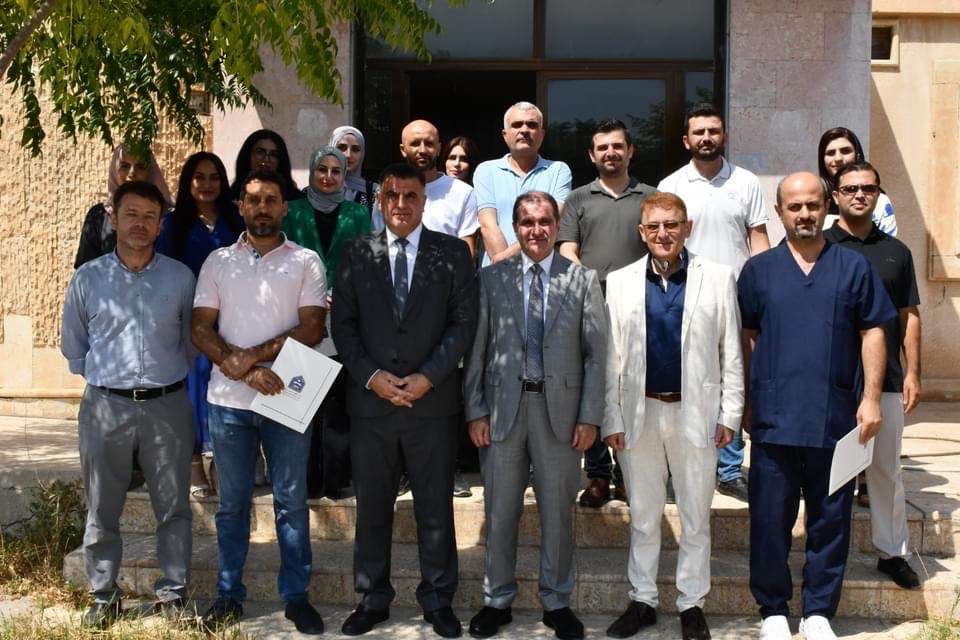





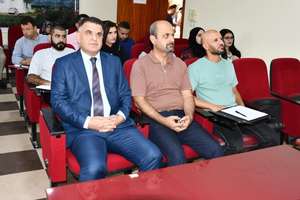
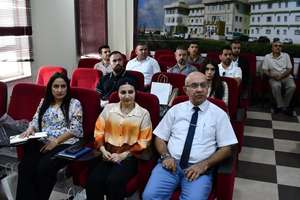
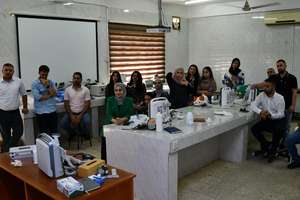
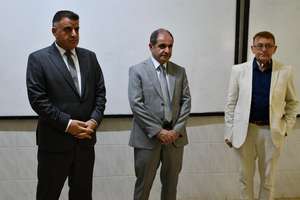
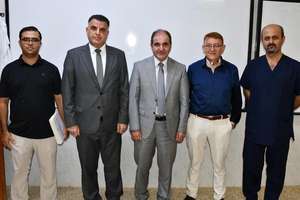
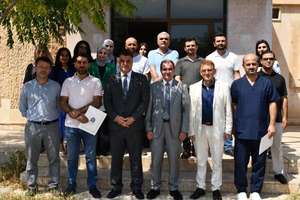

International Training Course
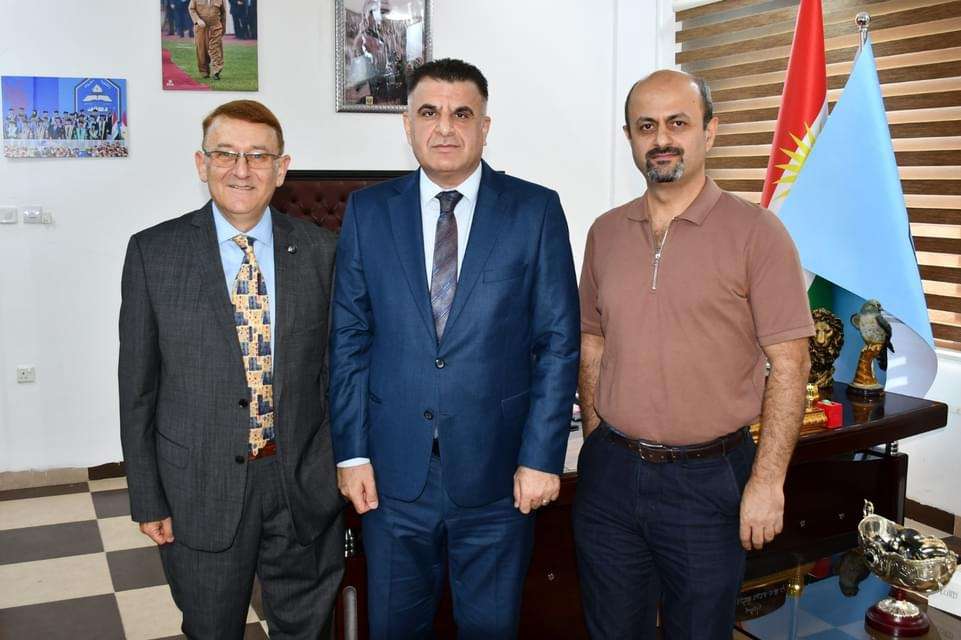
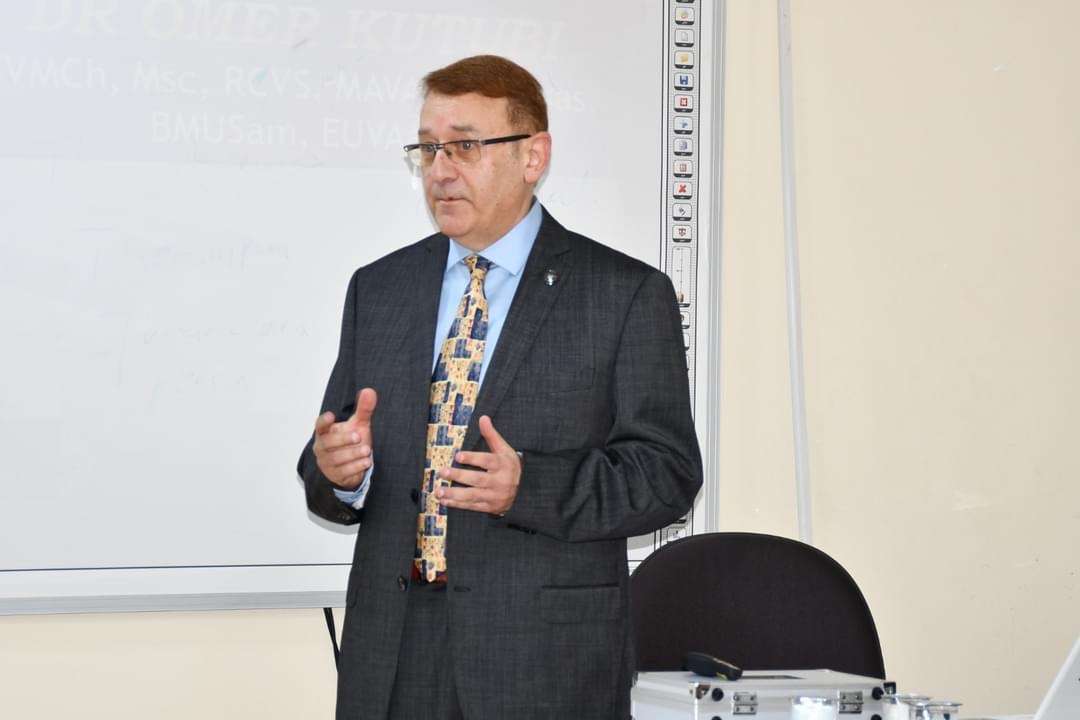
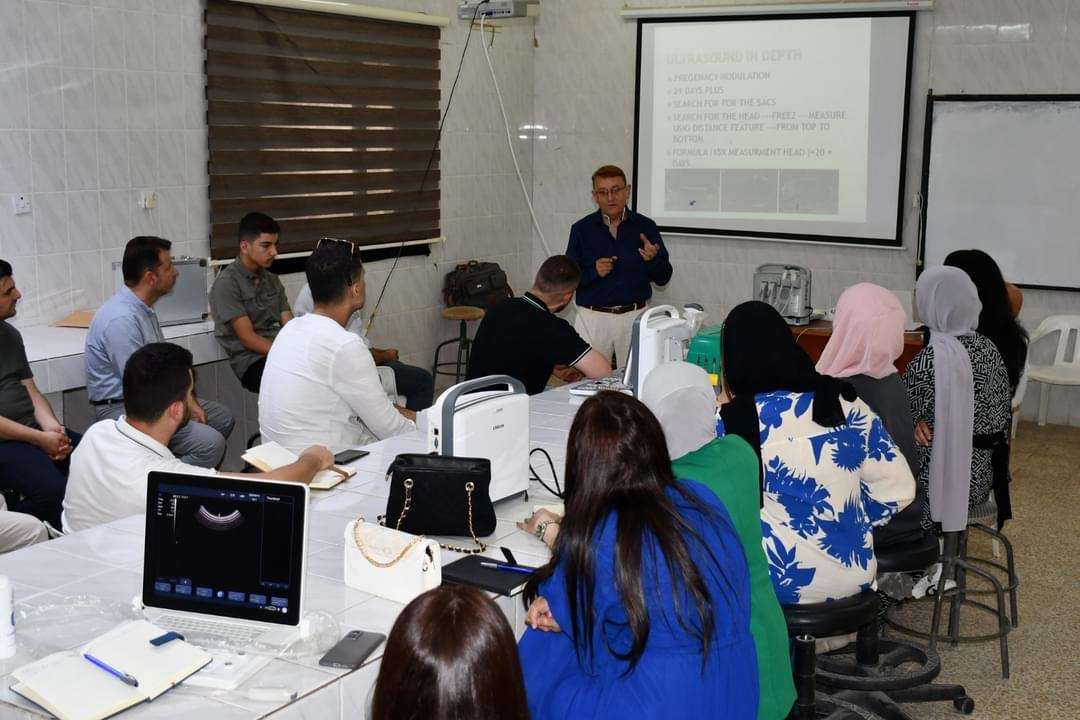
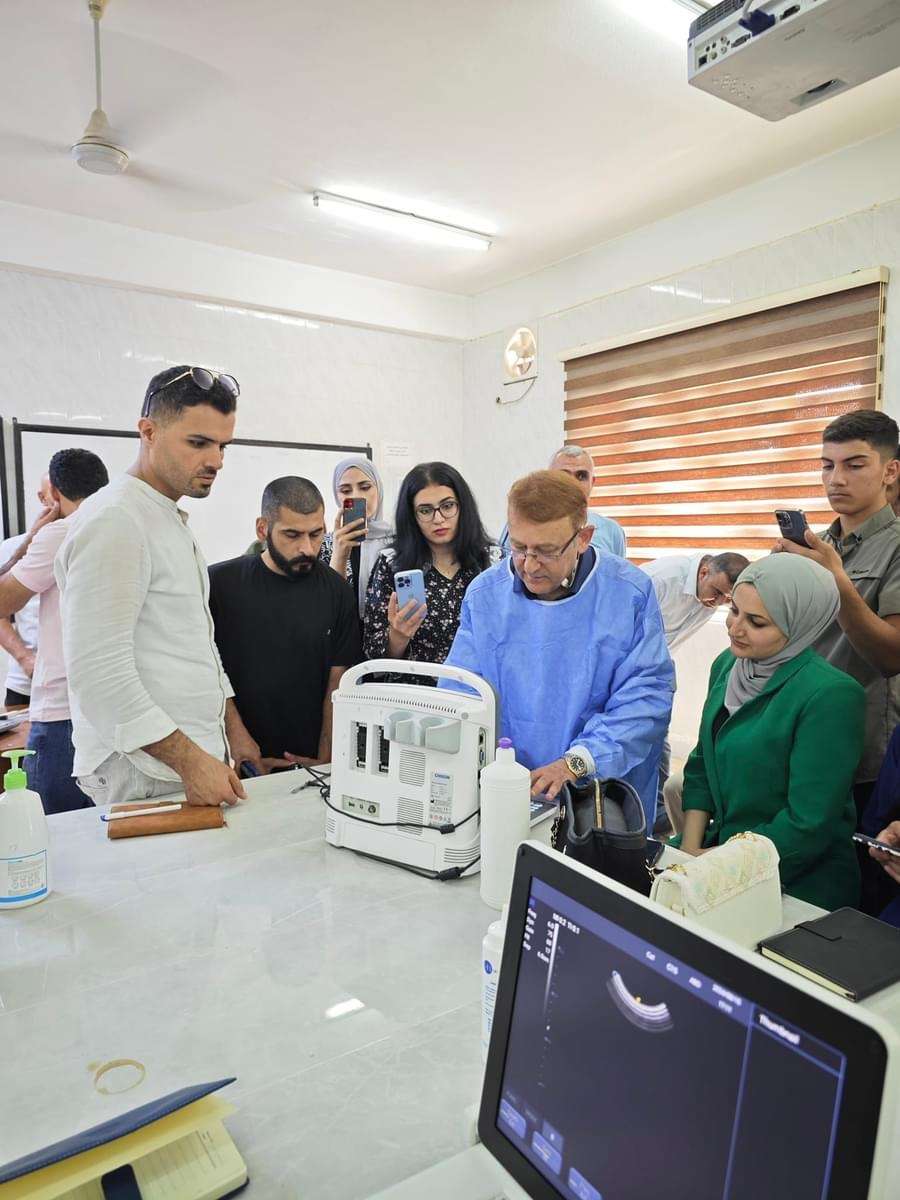
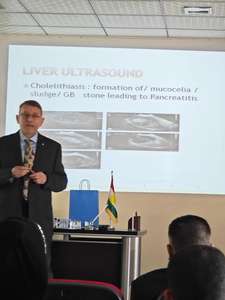
The College of Veterinary Medicine, represented by Dr. Muhammed Shukri Shukr, extended an invitation to dr. Omar Kutubi to deliver an intensive training course in :
"Advanced Veterinary Ultrasound Imaging and Interpretation"
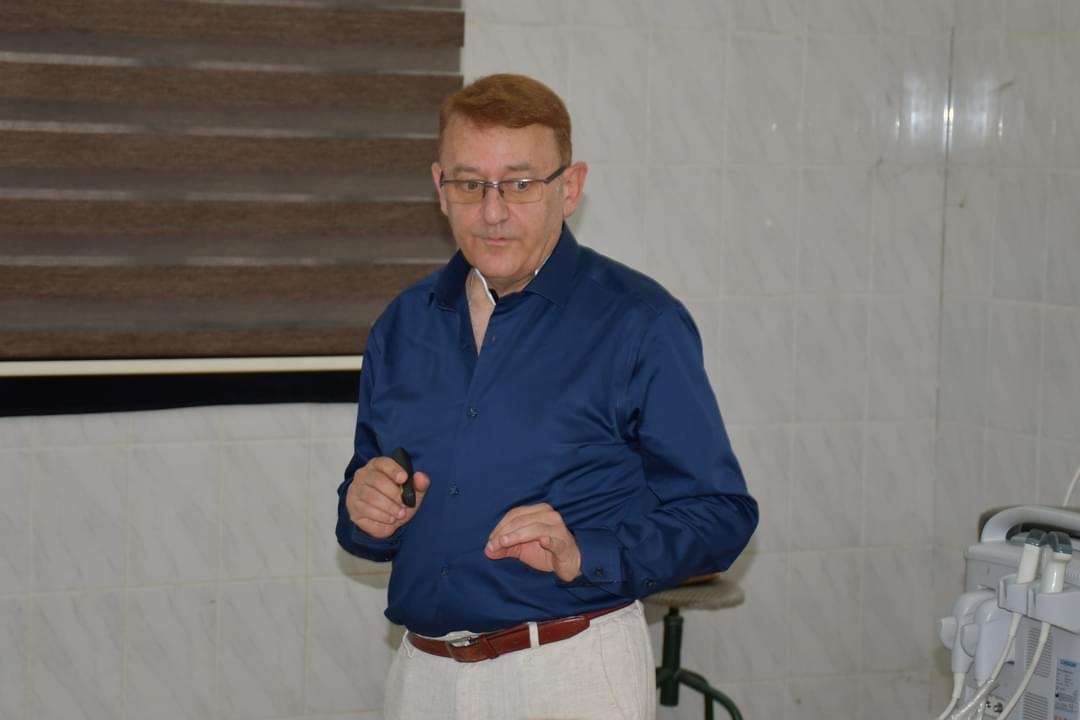
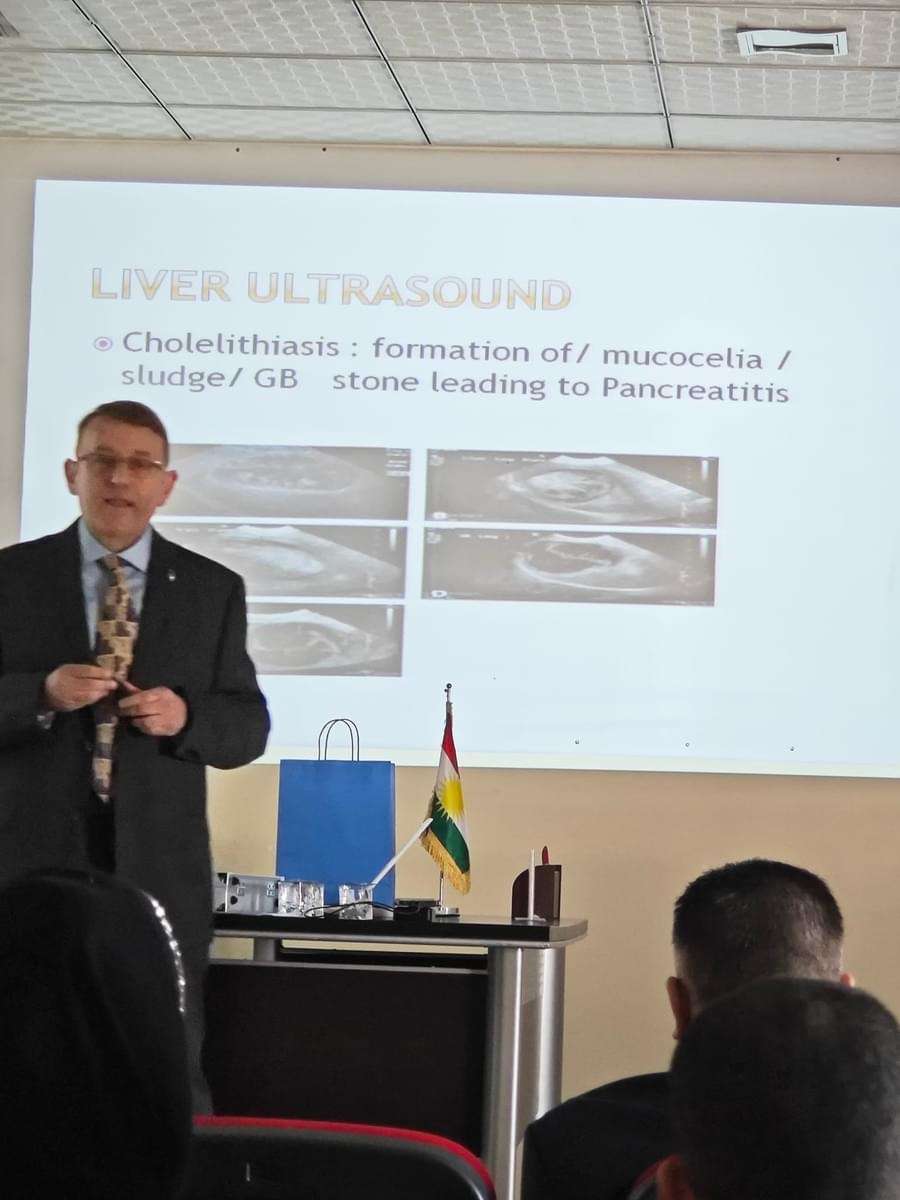
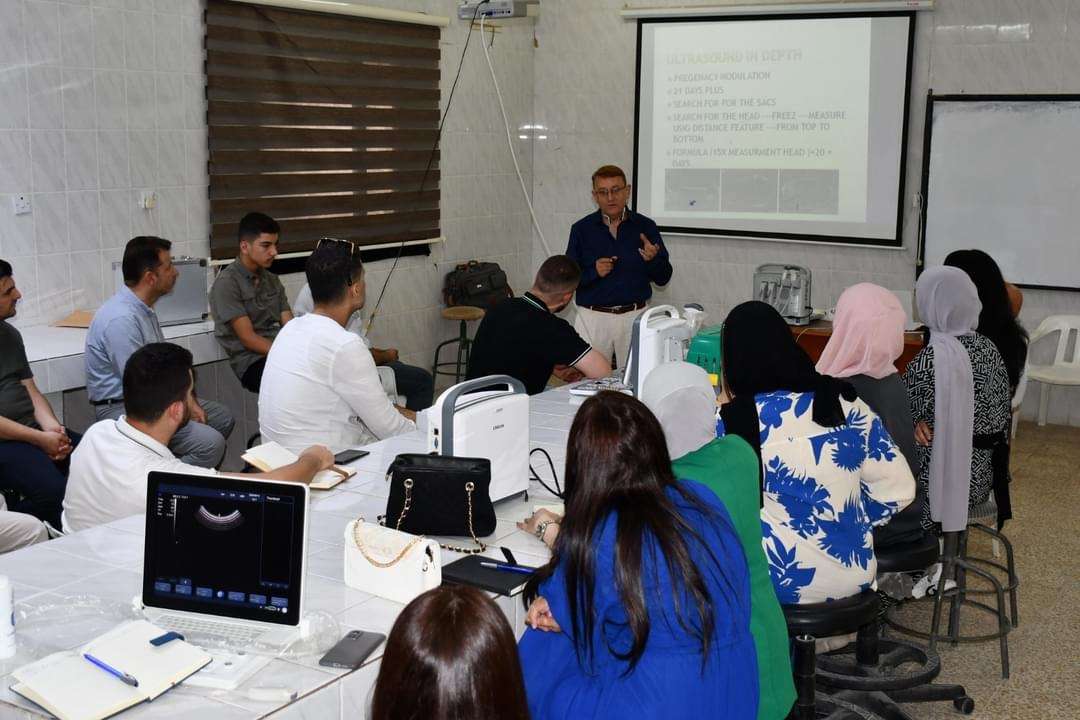
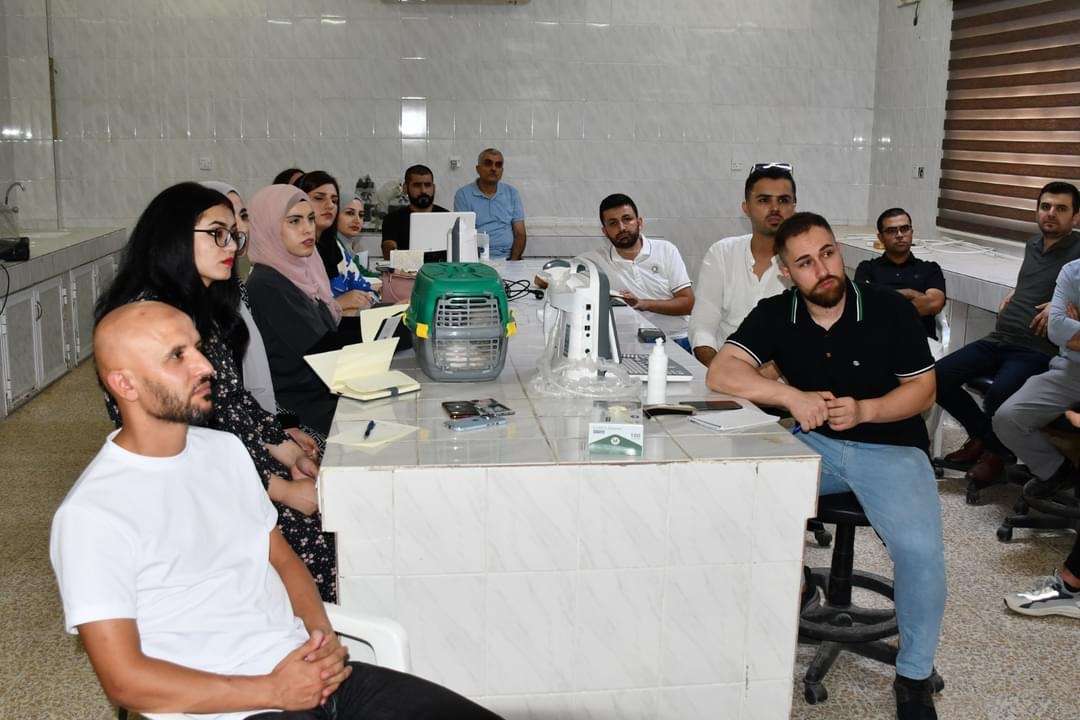
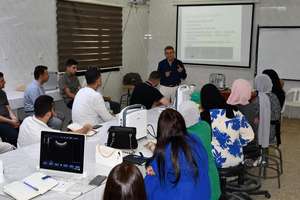
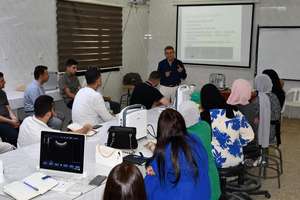
Th training course has been conducted at College of Veterinary Medicine on August 14th/15th – 2024 - full working days.
The course provided veterinarians, researchers and veterinary technicians with the essential knowledge and practical skills to effectively utilize ultrasonography for diagnostic purposes in veterinary medicine.
The Major Topics:
- Ultrasound Physics and Instrumentation: Principles, Equipment components and Imaging optimization.
- Anatomy and Pathophysiology: detailed study of anatomical structures and pathological changes.
- Diagnostic Techniques: Protocol for different species and comprehensive organ evaluation.
- Image interpretation: Systematic approach to identify normal and abnormal findings.
- Advanced imaging Modalities: Doppler and contrast – enhanced techniques.
- Clinical applications: Use in specific diseases and reproductive evaluations.
- Interventional procedures: Guided biopsies, aspirations, and injections.
- Case studies: Analysis to reinforce diagnostic skills and integrate findings.
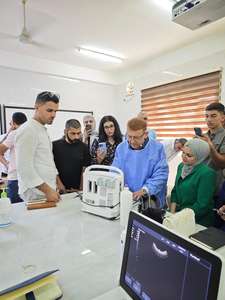
- Hands on Training: practical sessions in scanning, simulations, and interpretation.
- Quality Assurance: Equipment maintenance and professional development.
- Ethical Considerations: Guidelines for practice and client communication.
- Research: Current trends and technological advancement in veterinary ultrasound.
Objectives:
1- Diagnostic Objectives:
- To visualize internal structure like organs, soft tissues and musculoskeletal anatomy for size, shape and integrity assessments.
- Identify and characterize abnormalities such as masses, cysts, tumors, abscesses, and other pathologies.
- To evaluate organ function using techniques like echocardiography for cardiac assessment and doppler ultrasound for blood flow analysis.
- To provide real time Guidance for minimally invasive procedure like biopsies, aspiration and therapeutic injections.
2- Therapeutic Objectives:
- Monitoring treatment response: To monitor changes in lesions or structure over time to assess response to treatment, for example Tracking tumor size reduction or cyst regression post treatment.
- Assisting in Surgical Planning: Aid in pre-operative planning by providing detailed anatomical assessment, for example; Mapping out tumor location and size to plan a surgical approach.
3- Educational Objective:
- Training and education: Serve as an educational tool for teaching anatomy, pathology and clinical applications of ultrasound. For example: training veterinarian and technicians on ultrasound interpretation.
- Research and Development: To support Veterinary research by enabling new diagnostic techniques and improving treatment outcomes. For example: Studying disease progression through longitudinal ultrasound imaging.
4- Clinical Objectives:
- Improving patient care: Enhance diagnostic accuracy for precise treatment planning and improved patient outcomes. For example: Early detection of conditions leading to timely intervention.
- Enhancing Client Communication: provide visual evidence of conditions to aid in client understanding and decision making. For example: Showing ultrasound images to explain treatment options and prognosis to pet owners.
- Integration with other Diagnostic Modalities: Complement and enhance the capabilities of other imaging modalities and clinical examinations. Example: Combining ultrasound findings with radiography or MRI for a comprehensive diagnostic approach.
5- Advancement of Veterinary Medicine:
Crucial Professional Development: Promote ongoing learning and skill development among veterinarians and technicians. Example: offering workshops and conferences focused on ultrasound application.
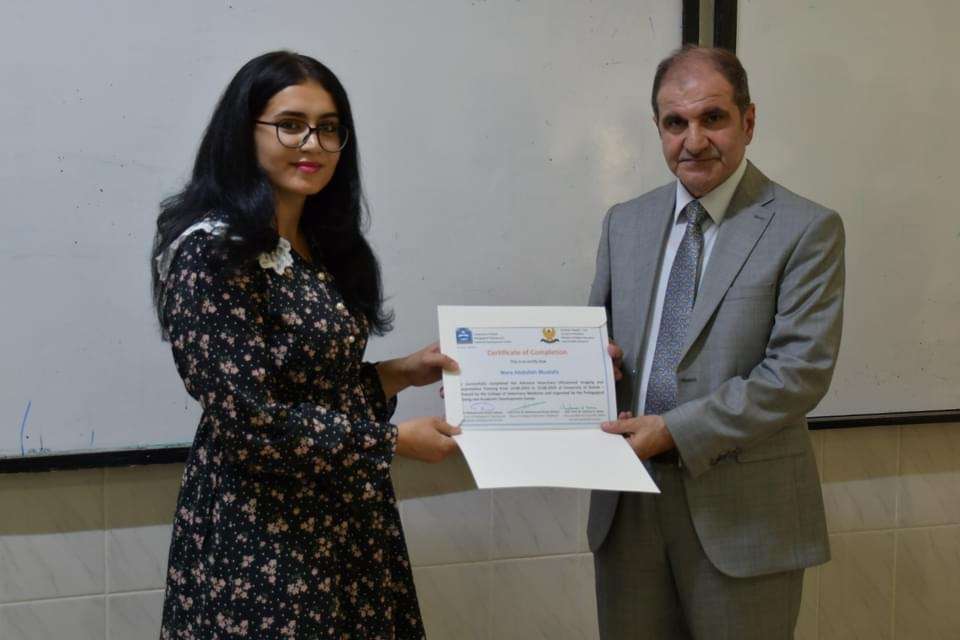
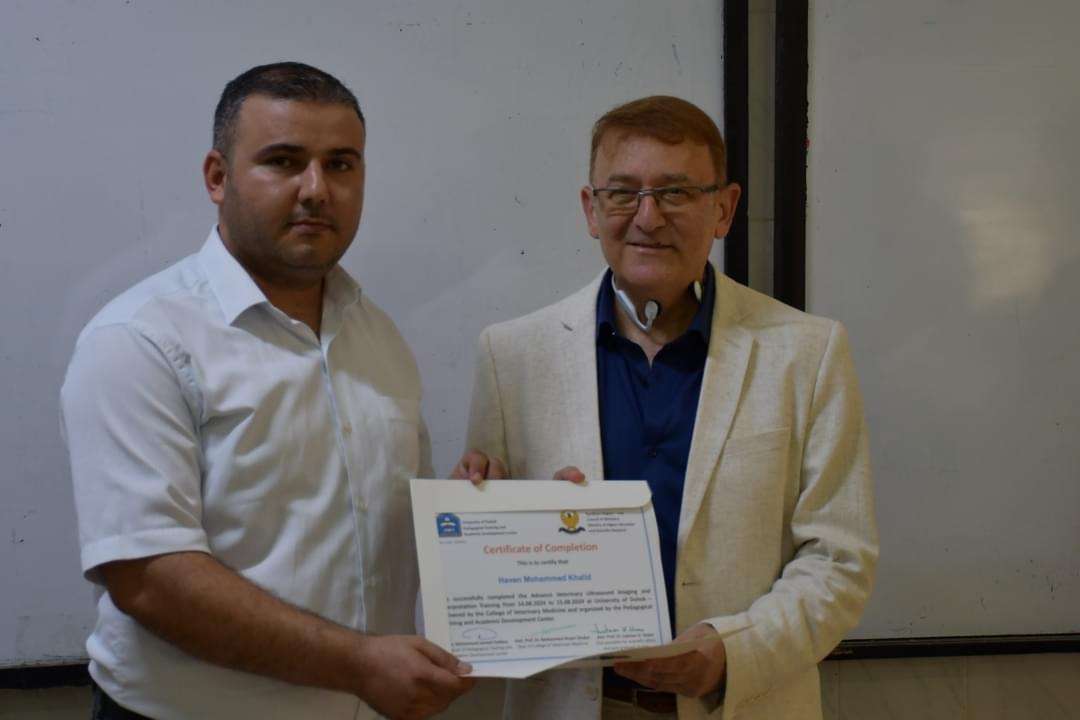
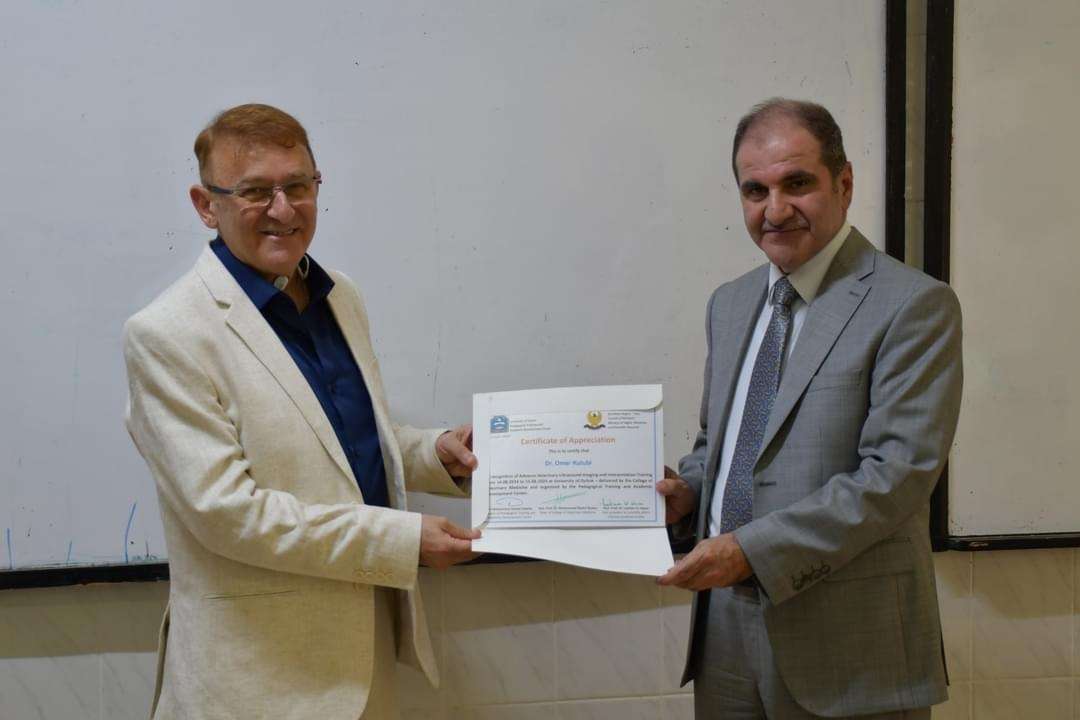
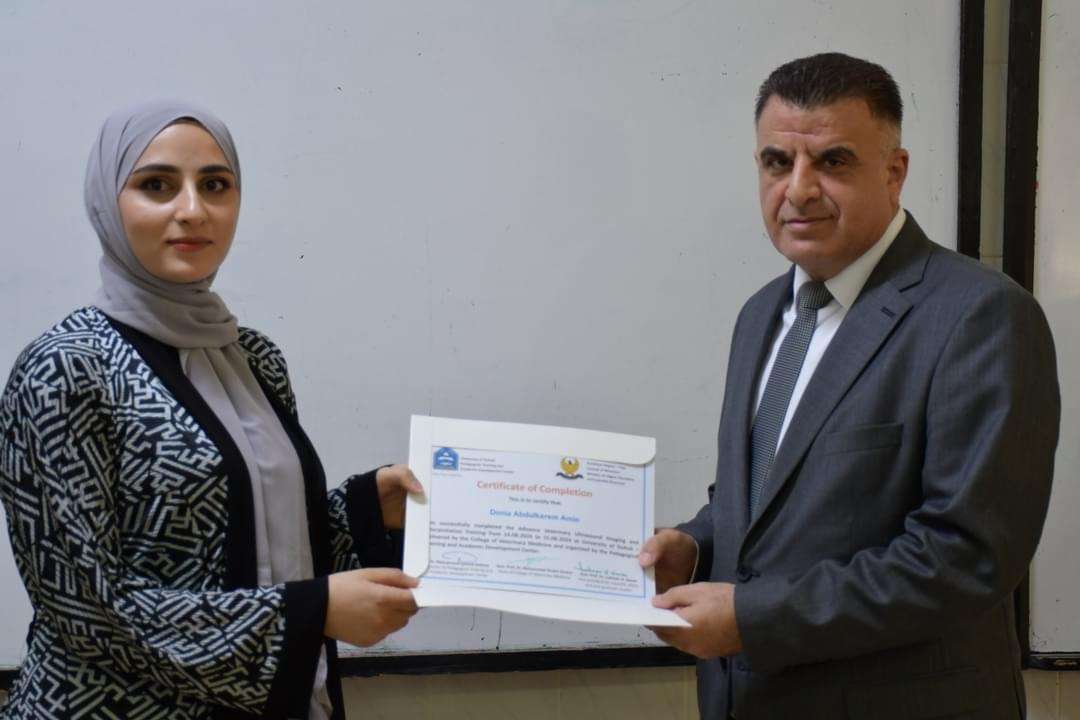
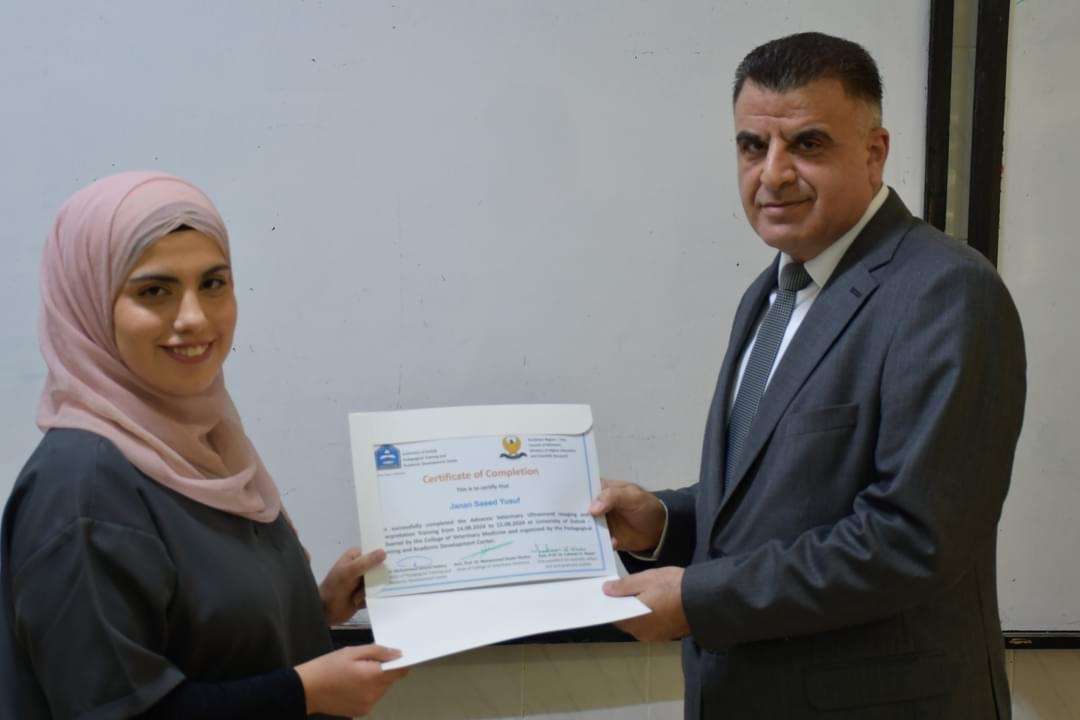
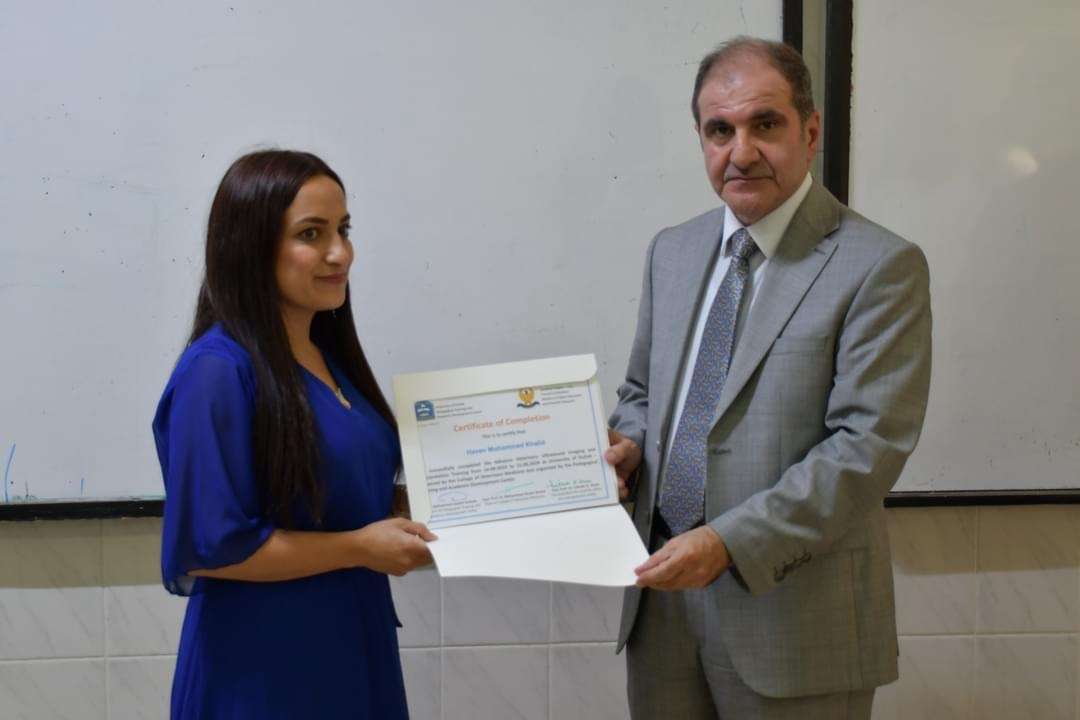
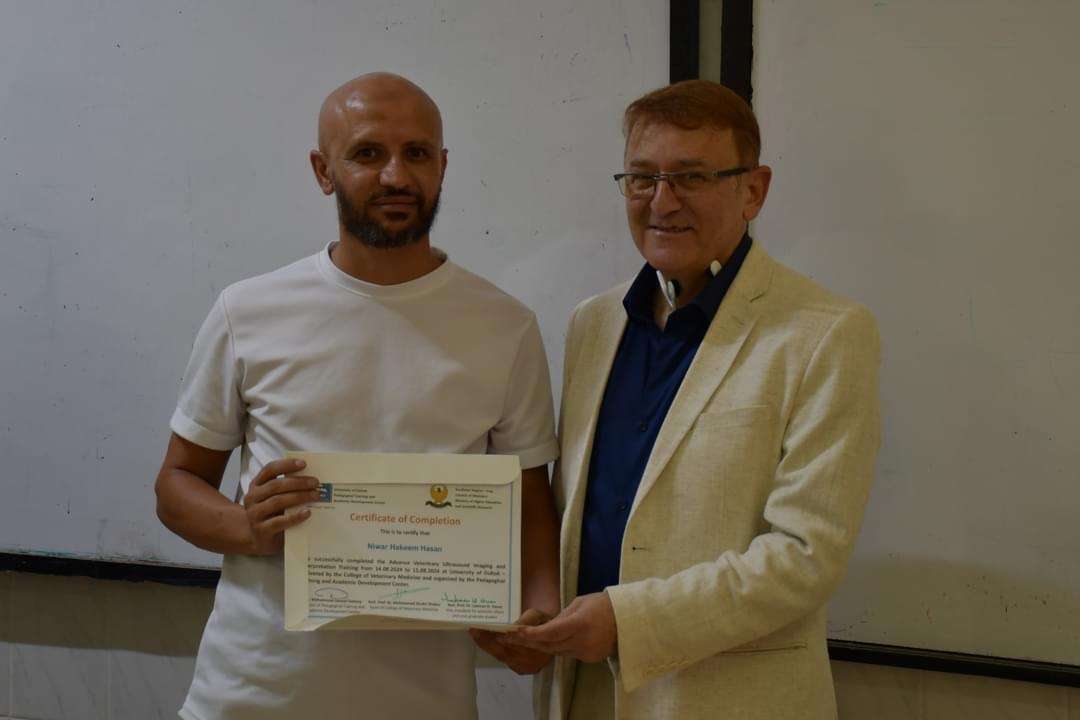
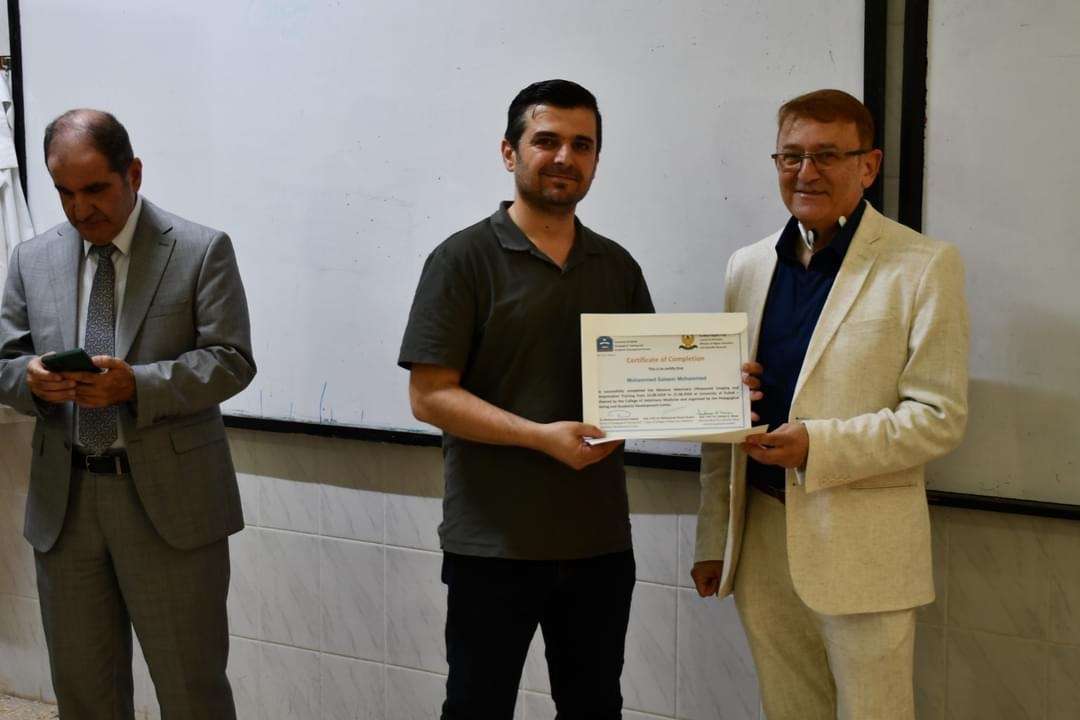
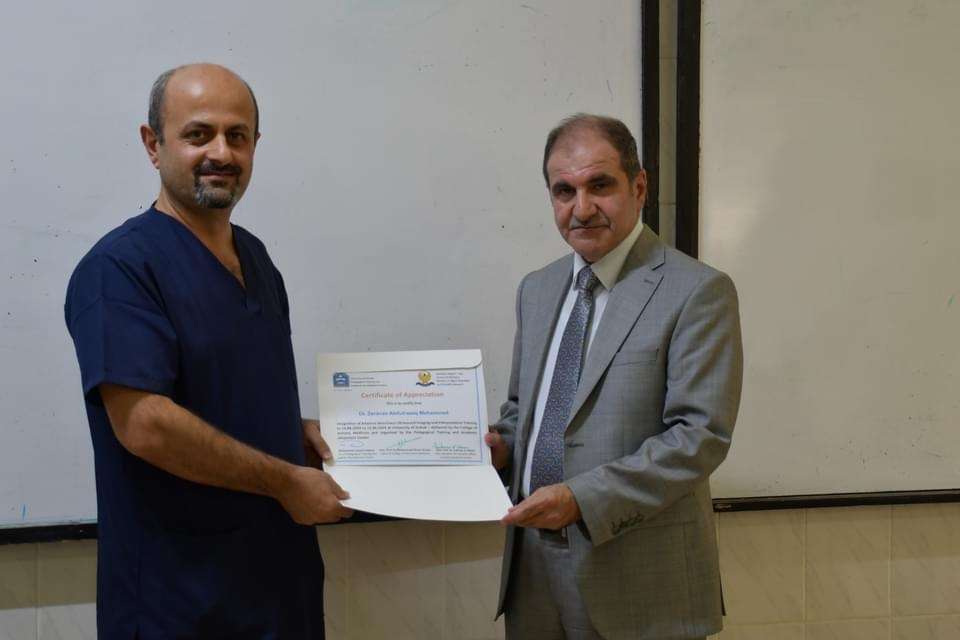
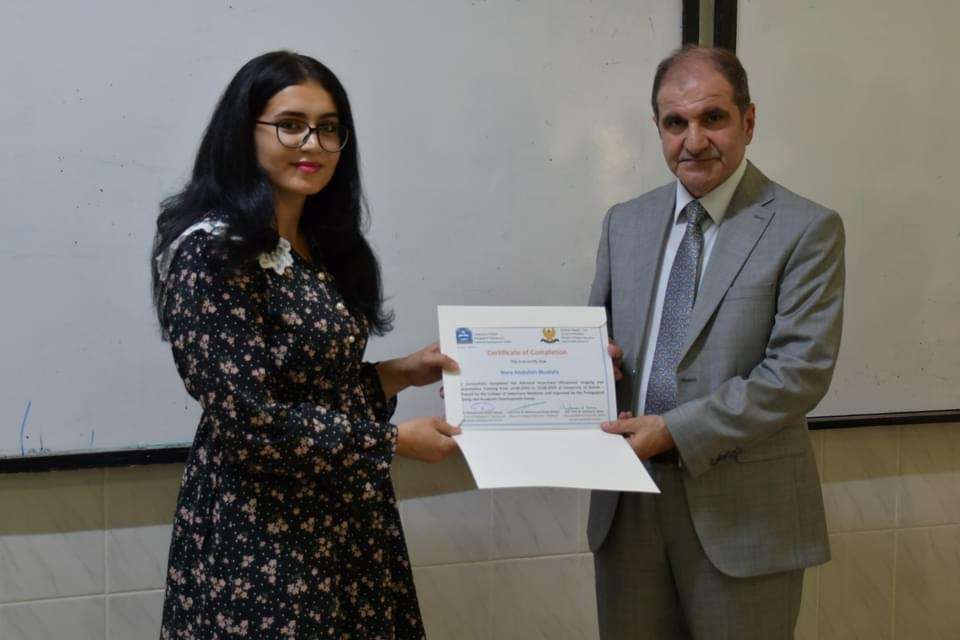
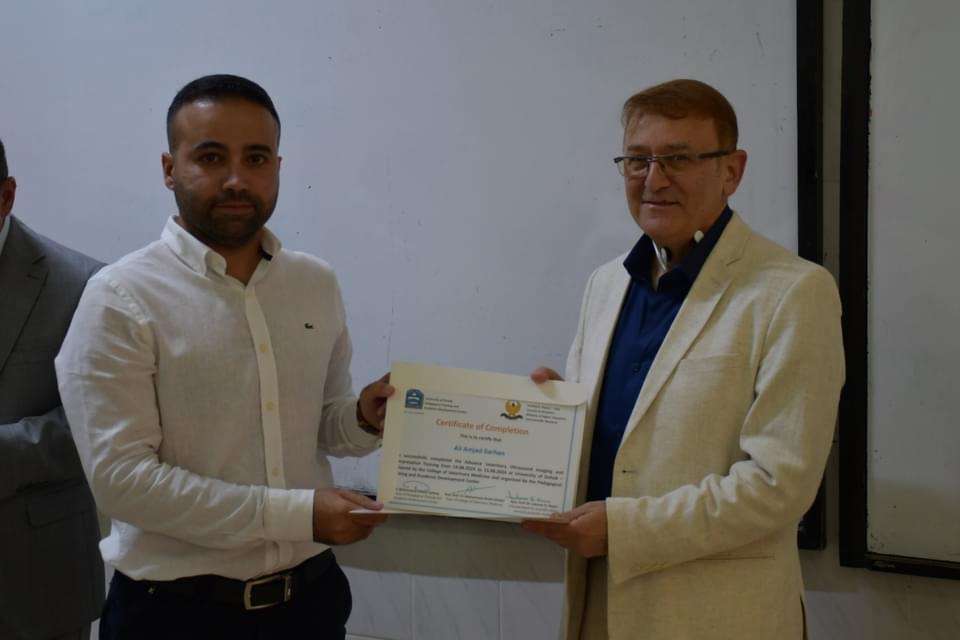
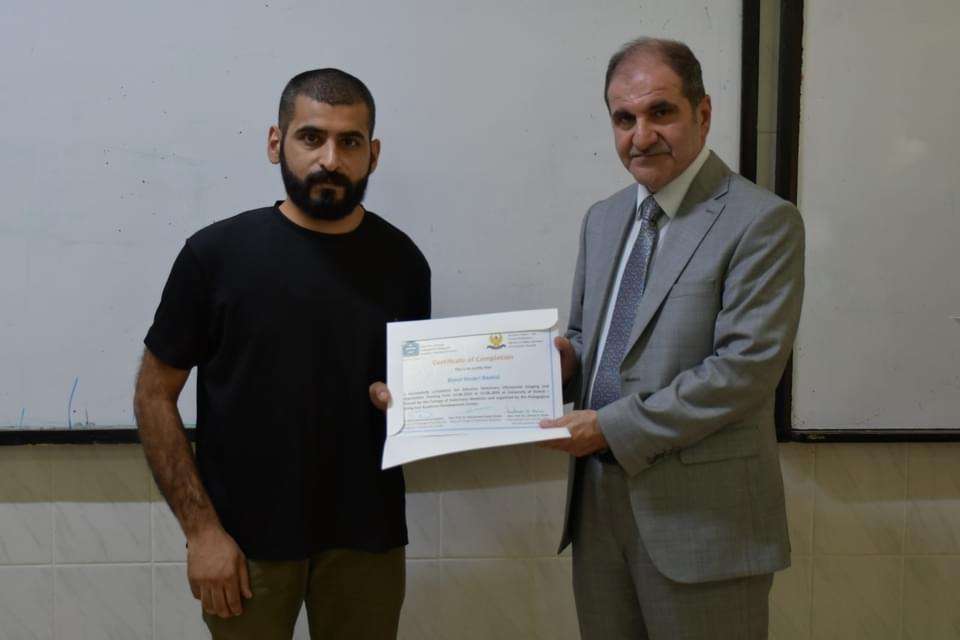
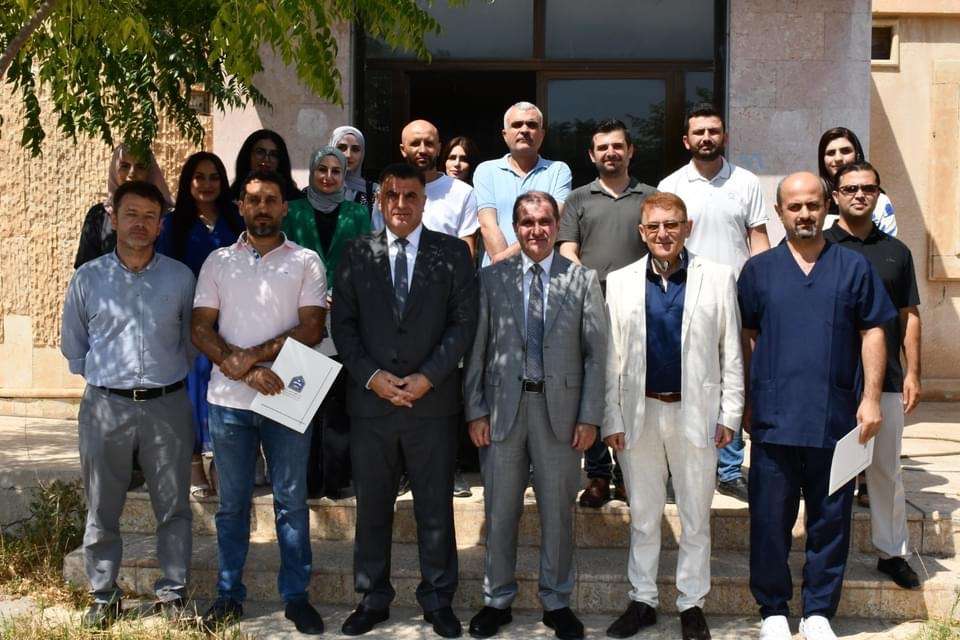
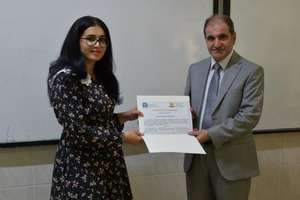
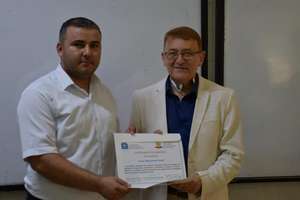
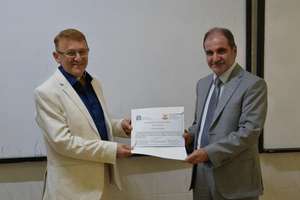
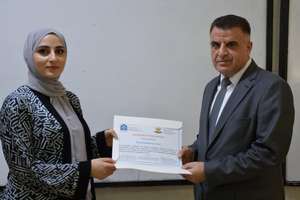
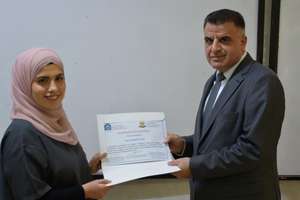
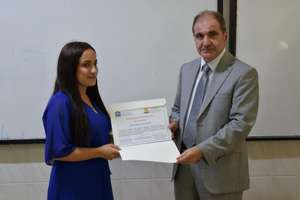
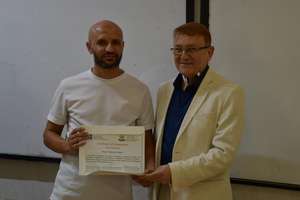
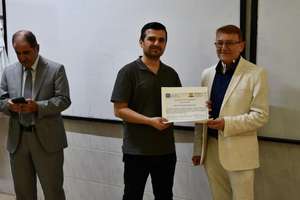
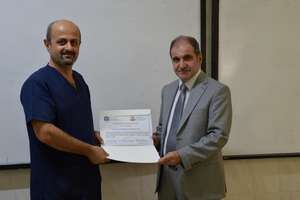
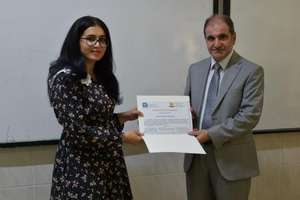
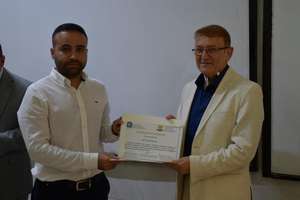
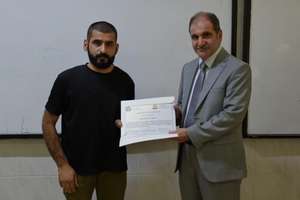
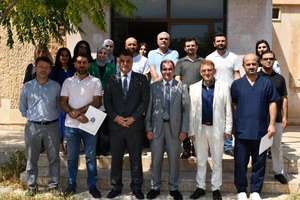
The attendees received their certificates , they are supposed to have gained experience in the fundamental concepts of ultrasound imaging, methodologies for interpretations, and its applicability in diverse clinical contexts.