
Diagnosis and treatment of the condition
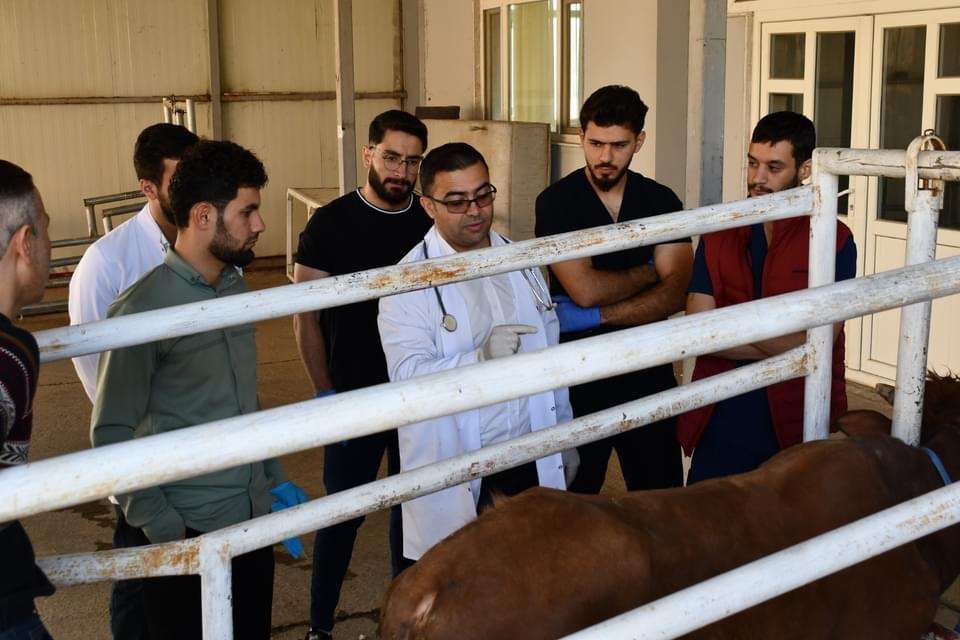
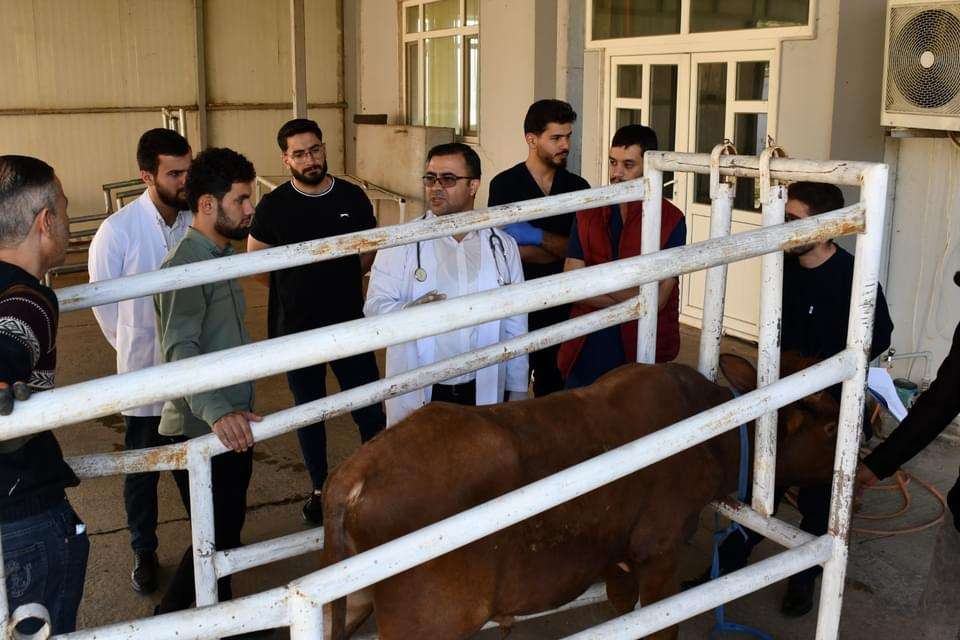
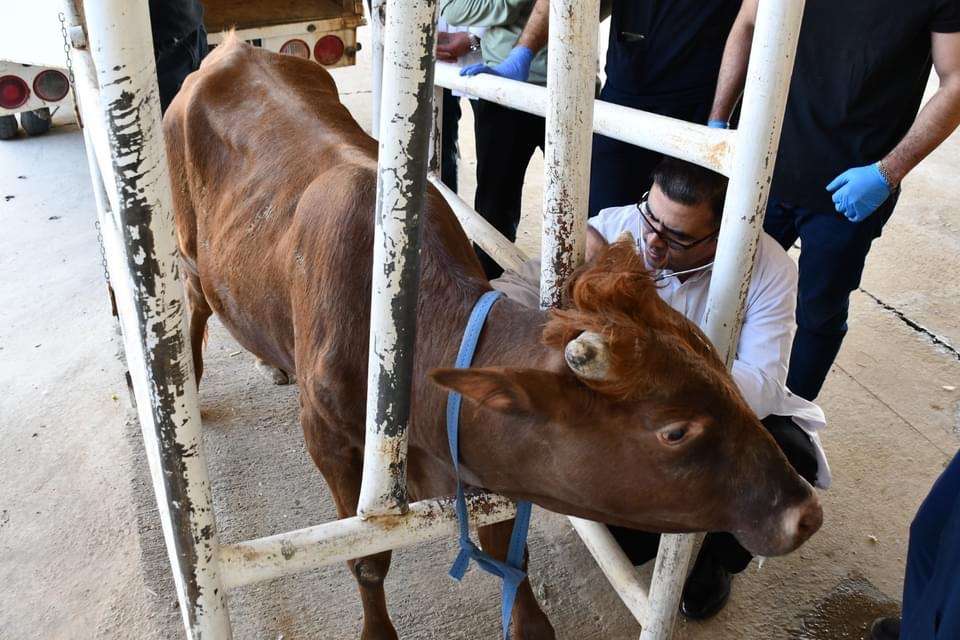
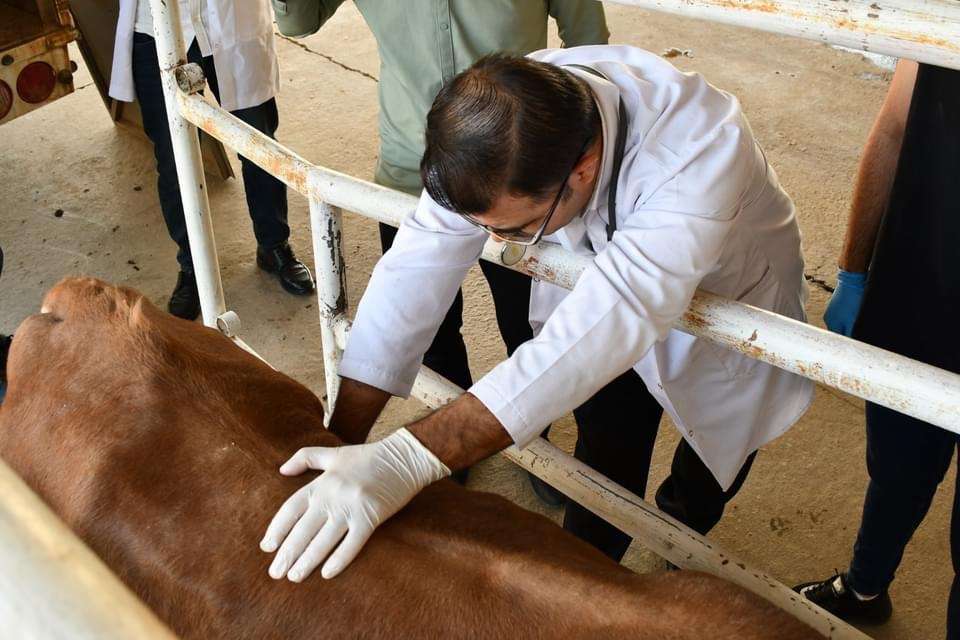
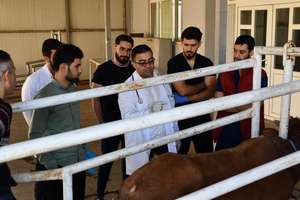
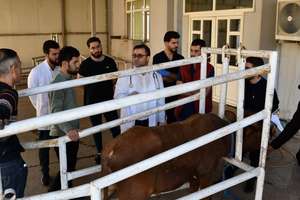
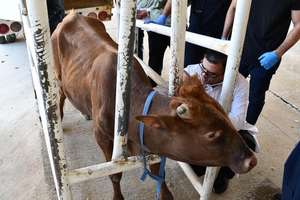
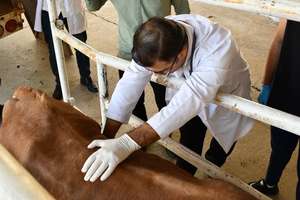
The veterinary clinics at the College of Veterinary Medicine handle a diverse range of cases daily, including those referred to the Department of Internal Medicine. Today, a particularly challenging case was presented involving a calf that exhibited severe clinical signs.
Dr. Shivan Nawzat Hussain, Head of the Department of Surgery and Internal Medicine, oversaw a team of students who conducted a thorough examination of the calf and administered the necessary treatments. The clinical assessment included a comprehensive physical examination, and blood samples were collected for an extensive panel of laboratory tests. The medical history, along with the observed clinical signs, raised concerns about septicemia, which can arise from multiple underlying factors, including:
- Environmental Stressors: Stressful conditions, such as inadequate housing, overcrowding, and exposure to extreme temperatures, can compromise the immune system, rendering calves more susceptible to infections.
- Inadequate Veterinary Care and Management: A lack of proper vaccination and preventive care can leave calves at risk for infections.
- Pathogenic Bacteria and Secondary Infections: Calves may develop respiratory or gastrointestinal infections that, if left untreated, could progress to septicemia.
This case highlights the importance of early intervention and comprehensive veterinary care in mitigating health risks in young animals.